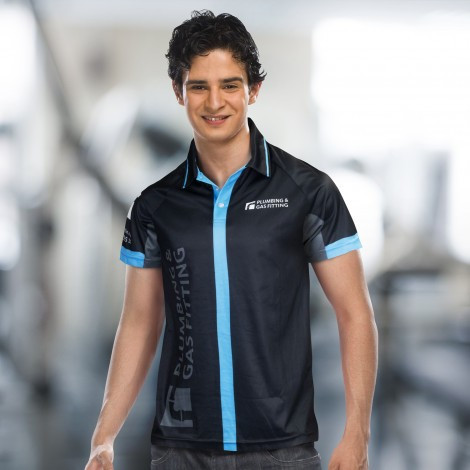
What is the difference between polo shirts and t-shirts for corporate uniforms
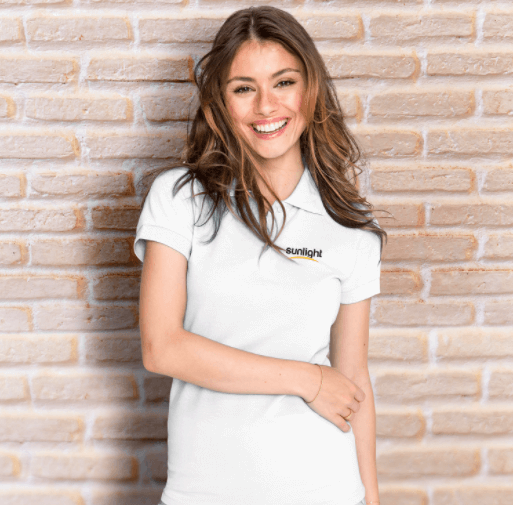
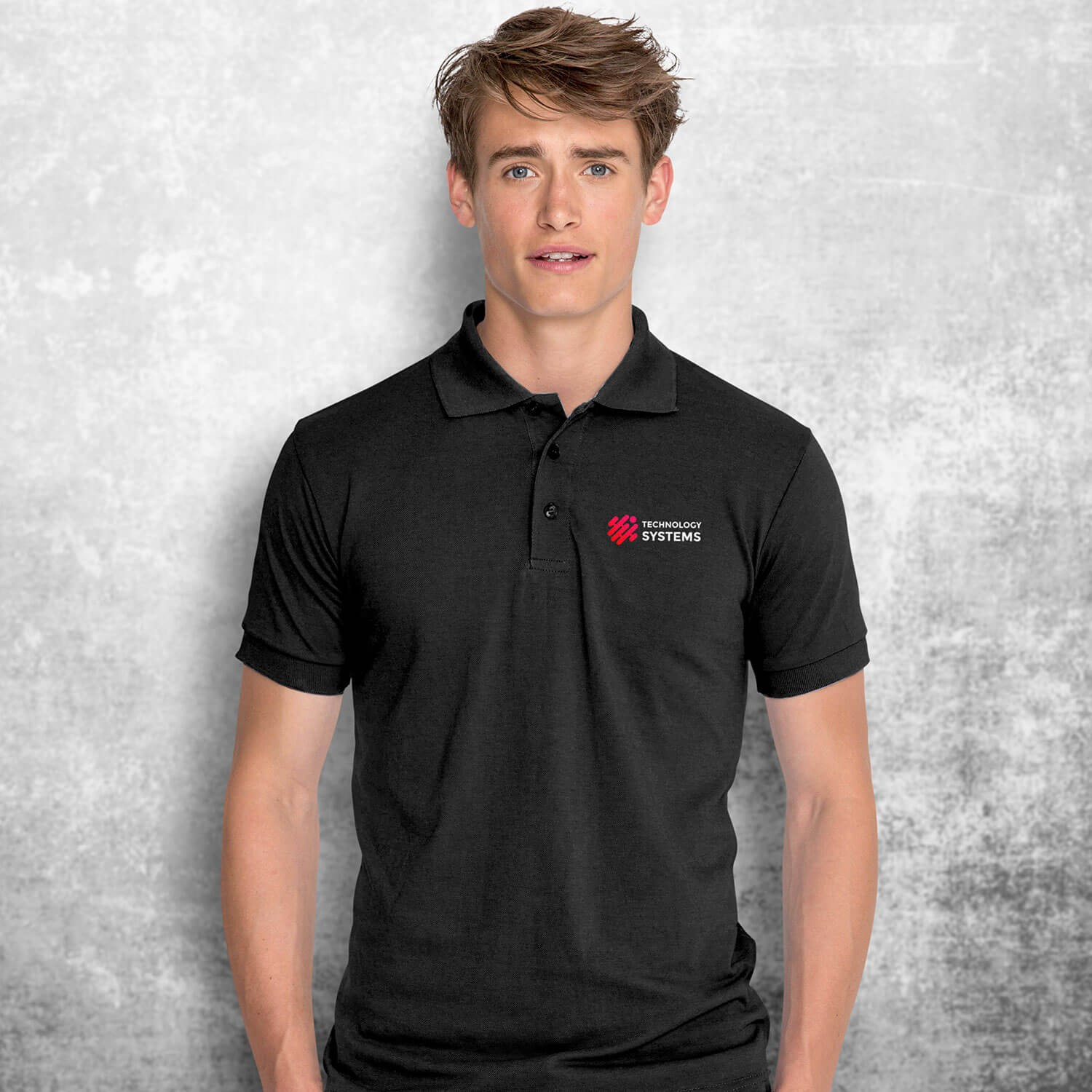
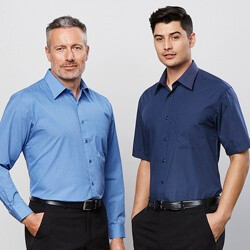
Polo shirts carry a collar that gives a smarter, more professional appearance suited to client-facing roles, offices and hospitality front-of-house staff. T-shirts read as more casual and suit trades teams, outdoor crews, giveaways and community events where comfort and volume matter more than formality. Polo shirts are typically embroidered for durability, while t-shirts are usually screen printed for bold, cost-effective logos. The right choice depends on your industry, setting and the daily tasks your team performs.
Which is better for outdoor event crews, hoodies or singlets
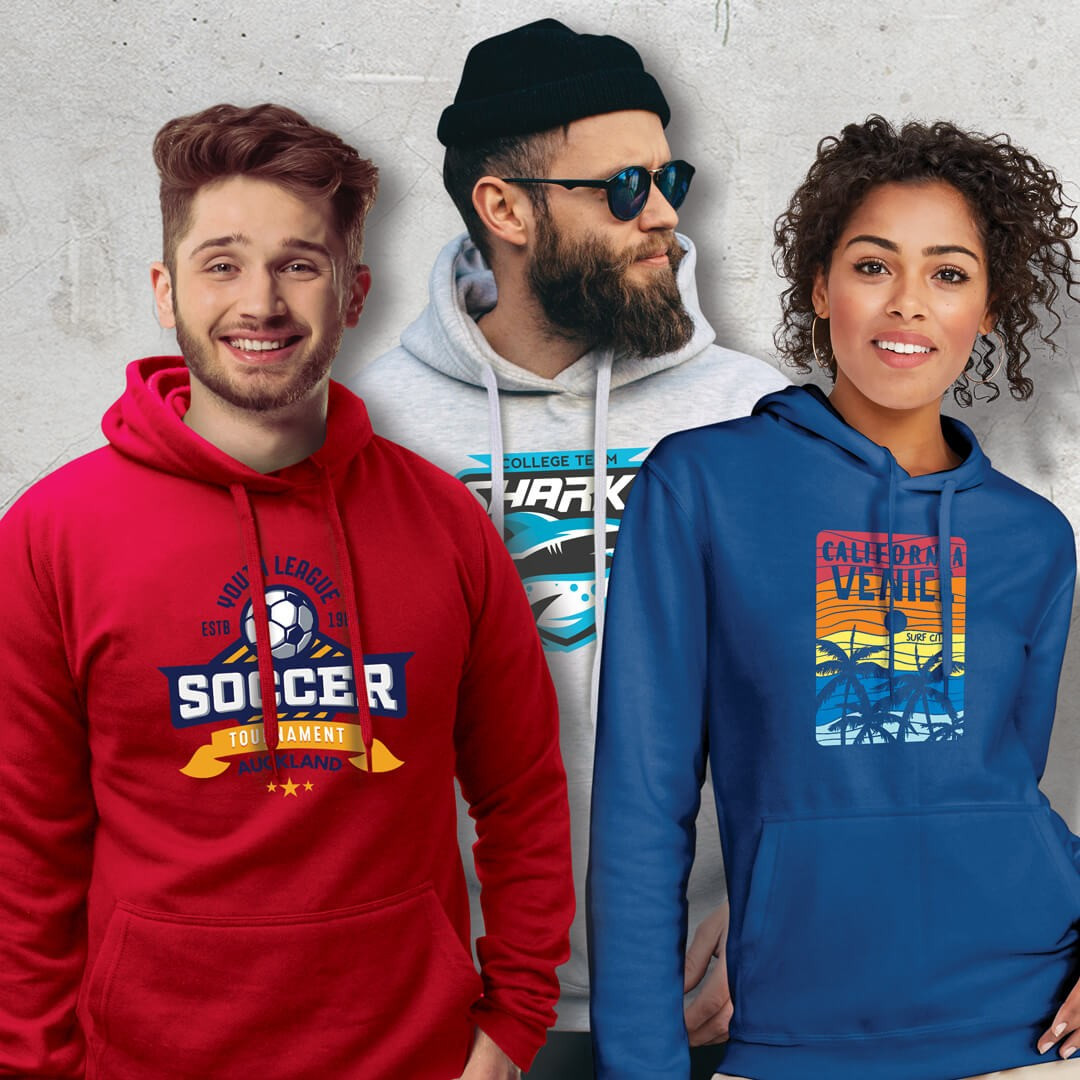
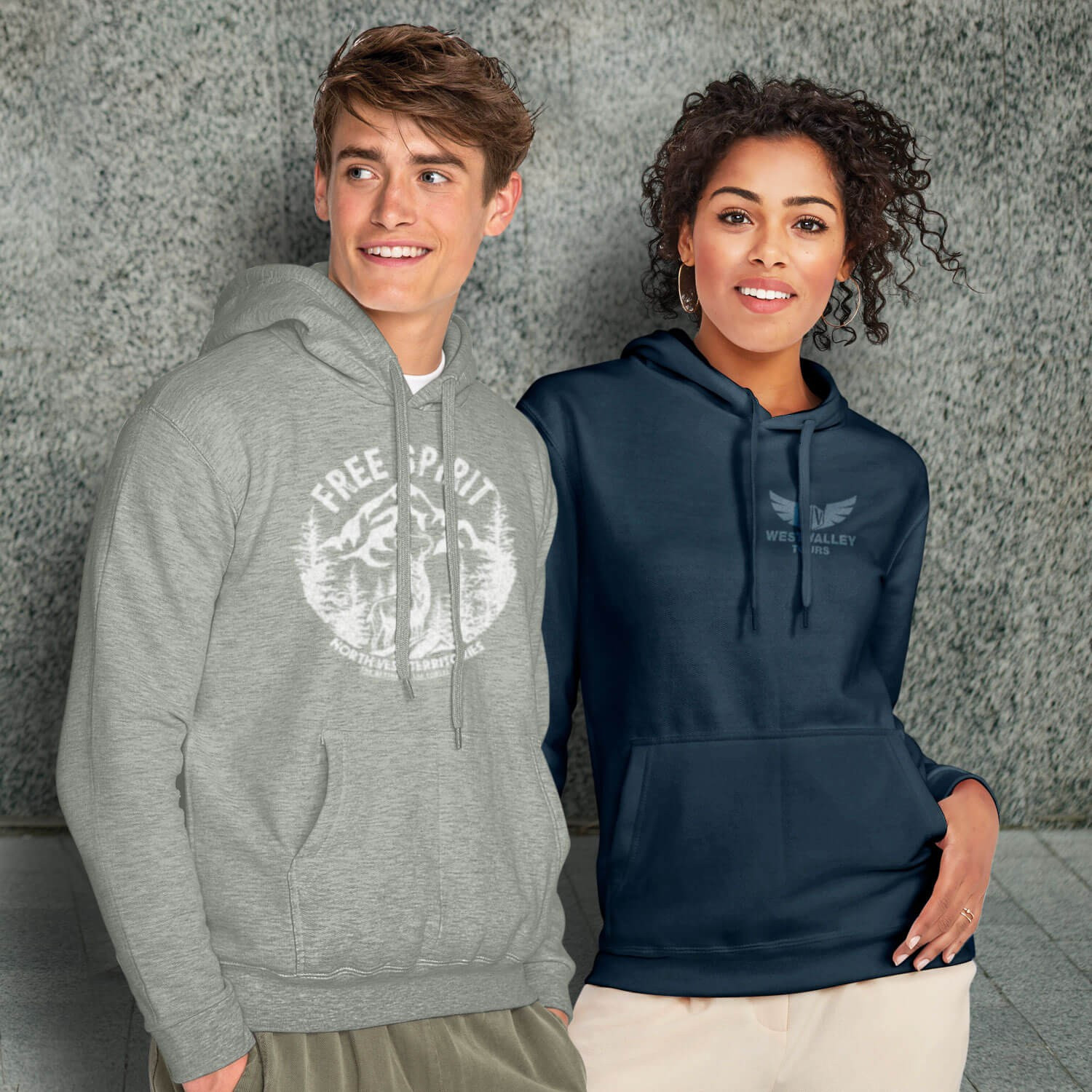
The choice comes down to season and activity. Hoodies suit autumn and winter outdoor events, tradeshows in cooler venues and early-morning activations where crew comfort matters. Singlets are the stronger pick for summer festivals, fun runs and warm-weather outdoor days where breathability is the priority. Both carry screen-printed logos cleanly on the chest or back panel. Many event teams order both styles to cover a full calendar of activations without needing to reorder mid-year.
What is the difference between screen print and embroidery for branded clothing
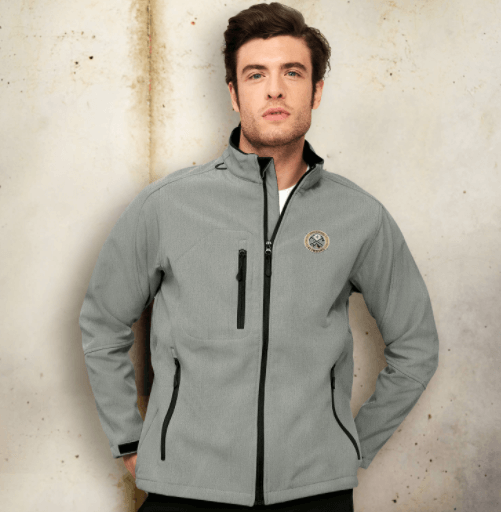
Screen print lays ink directly onto the fabric surface, giving bold, solid colour that suits large flat areas like t-shirt chests and hoodie backs. It is the most cost-effective method for large runs with a simple logo. Embroidery stitches thread directly into the garment, producing a raised, textured finish that looks and feels premium. Embroidered branding handles heavy washing without fading or peeling, making it the preferred method for daily-wear uniforms like polo shirts, fleece tops and corporate vests.
What are the most popular branded clothing options for hospitality and cafe businesses
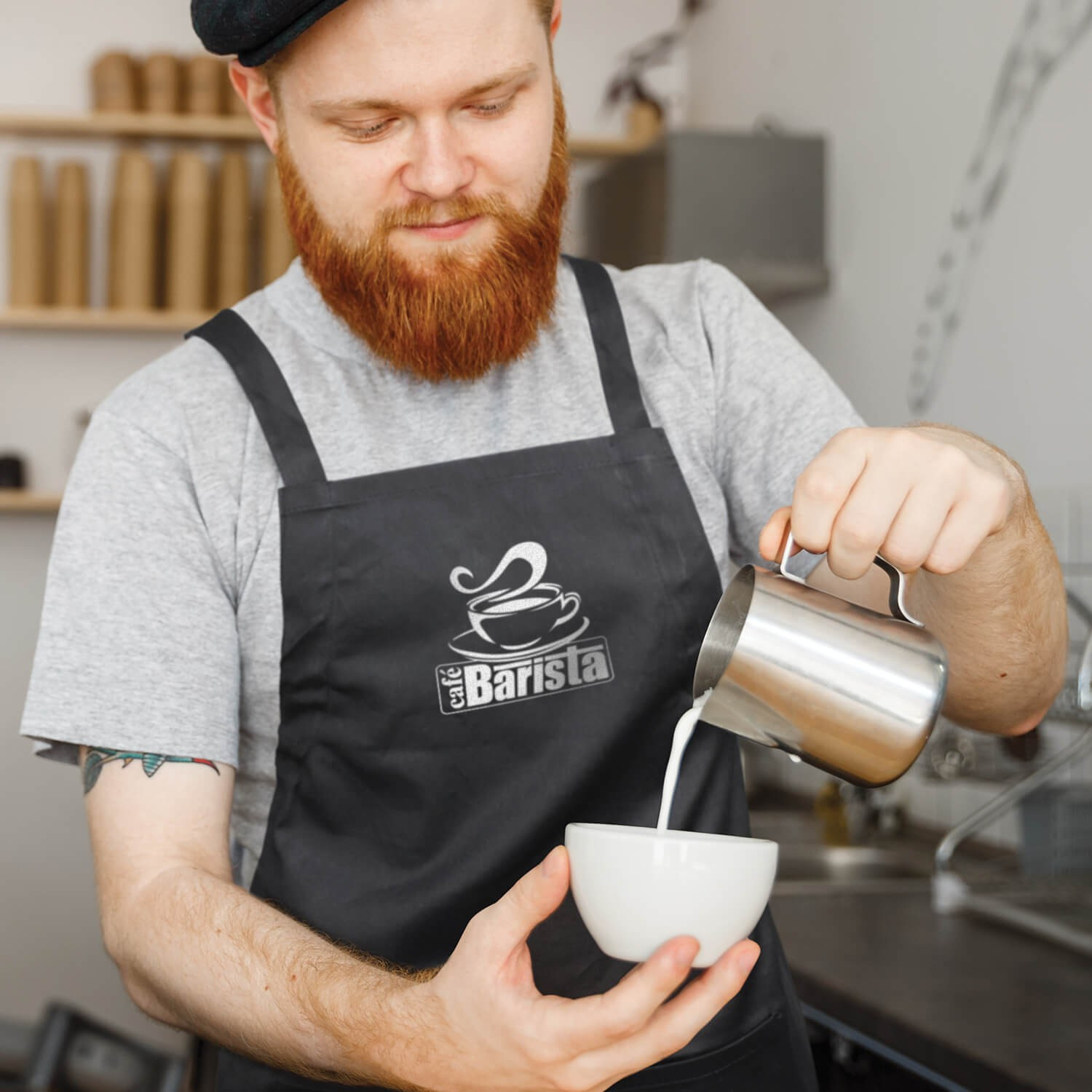
Aprons are the most-ordered garment for hospitality staff, giving a practical, branded option for front-of-house and kitchen teams. Polo shirts are popular for wait staff and supervisors where a smarter look is needed. Fleece tops and vests work well for outdoor dining settings in cooler months. Embroidery is the standard branding method for hospitality workwear because it holds through regular washing at high temperatures. Many venues pair an embroidered apron with a branded polo shirt to create a complete front-of-house uniform.
How are logos applied to tracksuits and sublimated teamwear
Sublimation uses heat to transfer dye directly into the polyester fibres of the garment. The result is a full-colour, all-over design that becomes part of the fabric rather than sitting on top of it. Because the dye bonds with the fibre, sublimated prints do not crack, peel or fade with washing. This method only works on white or very light polyester garments. Sublimation is the standard method for sporting club teamwear, netball uniforms, cycling kits and event crew apparel where a sharp, full-colour design is needed.
Can branded bath robes and scarves be used as corporate gifts
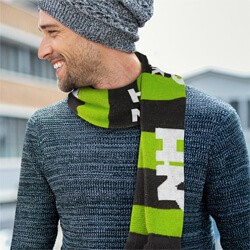
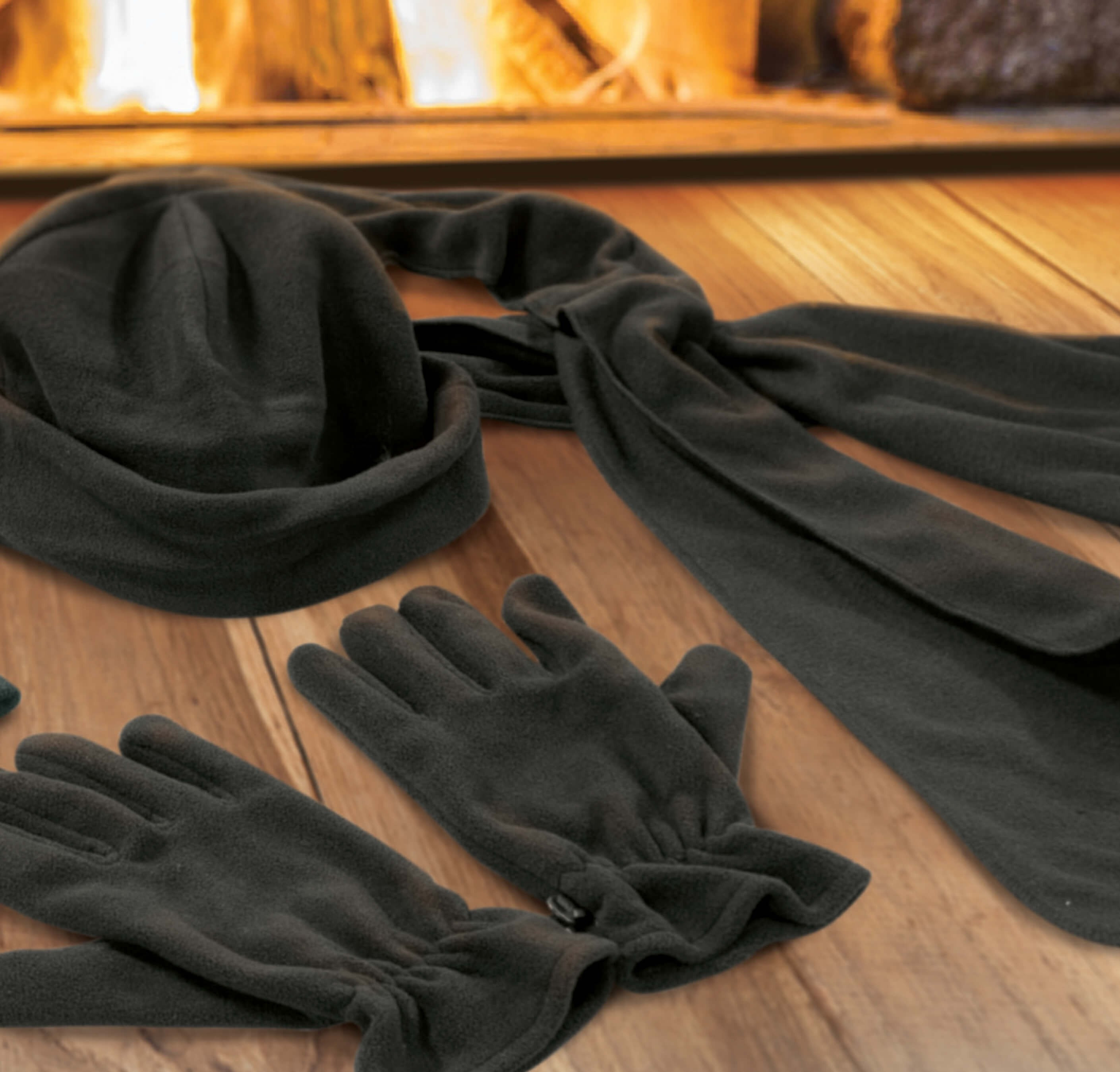
Yes, both are well suited to corporate gifting. Bath robes with an embroidered logo make a premium executive gift for high-value clients, hotel welcome packs and spa partnerships. They work particularly well for end-of-year gift hampers in industries like finance, real estate and professional services. Branded scarves are a more budget-friendly gifting option, popular for conference delegate packs, winter tradeshow giveaways and charity fundraising. Both items are practical enough to be used well beyond the gifting occasion, giving the logo ongoing exposure.
What size range is available for branded corporate clothing
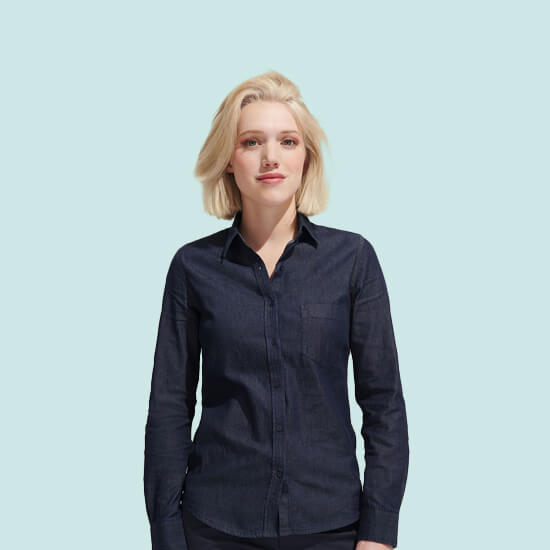
Most polo shirts, t-shirts, hoodies and fleece tops are available in both men's and women's cuts, running from XS through to 5XL on the majority of styles. Sizing availability varies by garment and supplier, so it is worth confirming the full size run before placing a large uniform order. Our team can check stock availability across all sizes before you commit to an order, which avoids the common problem of a size selling out between quote and production sign-off.
How long does production take for branded clothing orders
Standard turnaround on stock clothing orders sits around 10 business days from artwork sign-off. Indent production, which is manufactured specifically to your order, typically runs 3 to 5 weeks but delivers better pricing on large quantities. Production timelines can vary depending on garment availability, decoration method and current factory load. If you have a fixed event date or deadline, share it when requesting a quote so the team can confirm the right production path and flag any risks early.