What is the difference between RPET and virgin recycled plastic for promotional products
RPET stands for recycled polyethylene terephthalate, which is plastic recovered from used bottles and remoulded into new products like bags, bottles and fabric. Virgin recycled plastic is a broader term that can include a range of post-industrial or post-consumer materials. RPET specifically targets post-consumer waste, making it the preferred choice for organisations with formal sustainability reporting commitments. Both carry an eco message, but RPET allows buyers to cite a specific recycled content claim, which is more credible in corporate sustainability communications and reporting.
What is the difference between bamboo and wheatstraw promotional products
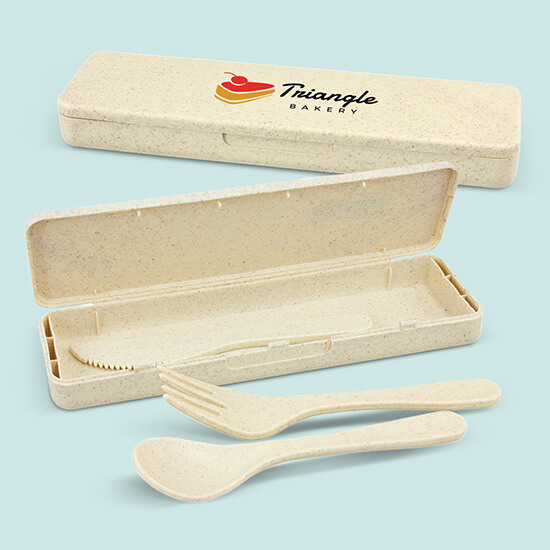
Bamboo products are made from the woody stalks of the bamboo plant, which is fast-growing and naturally renewable, giving a rigid, premium feel suited to pens, desk items and drinkware. Wheatstraw products are moulded from the fibrous stalks left after wheat harvesting, which would otherwise be burned or composted. Wheatstraw produces a lighter, slightly textured item and is commonly used for cups, cutlery and bottles. Bamboo suits executive gifting and desk accessories where a natural premium finish is the goal. Wheatstraw is better suited to high-volume tradeshow and conference handouts where cost efficiency matters alongside the eco story.
How do jute bags compare to cotton bags for branded eco giveaways
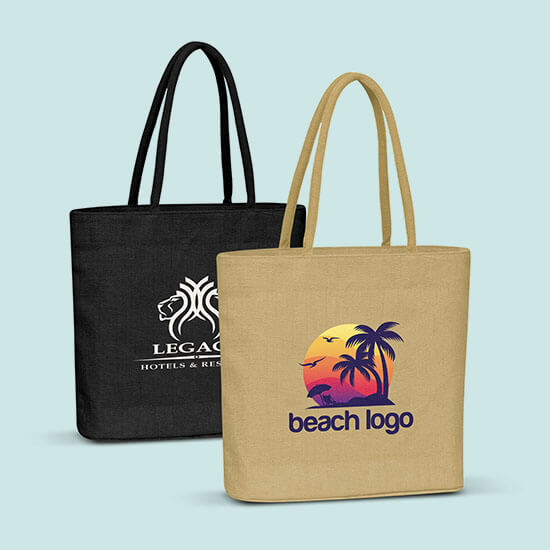
Jute bags are made from a coarse natural plant fibre and have a distinctive woven texture, while cotton bags, including calico styles, are softer, smoother and more suitable for daily use. Jute is heavier and more structured, giving it a retail-style look that suits markets, boutique brands and sustainability-focused conferences. Cotton is more versatile, washes well and suits school events, council days and everyday carry. Both take screen print well. Cotton bags tend to be used more frequently after the event, giving your logo more ongoing exposure than jute.
Which eco products work best for end-of-year corporate gift boxes
End-of-year corporate gift boxes benefit most from eco products that feel premium and look intentional, rather than items that simply carry an eco label. Bamboo or wooden desk accessories, glass drink bottles and cork-covered notebooks are consistently popular choices for executive gift sets. Laser engraving on bamboo and wood gives a clean, permanent finish that lifts the perceived value of the whole gift. Pairing a laser-engraved bamboo pen with an RPET or glass bottle and a cork notebook creates a cohesive eco-themed gift box that suits clients across professional services, finance and real estate.
How are logos applied to bamboo and wooden promotional products
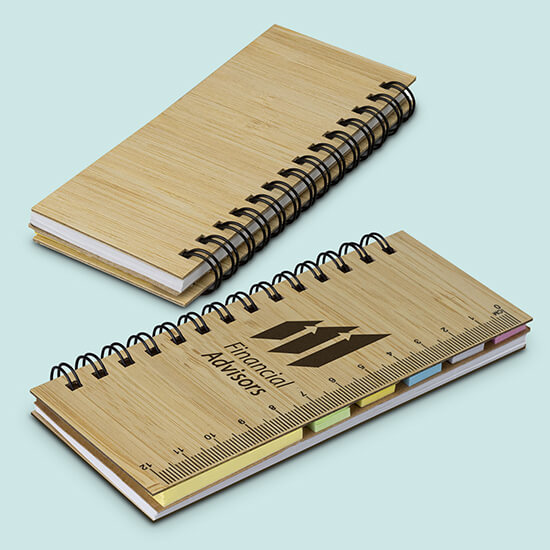
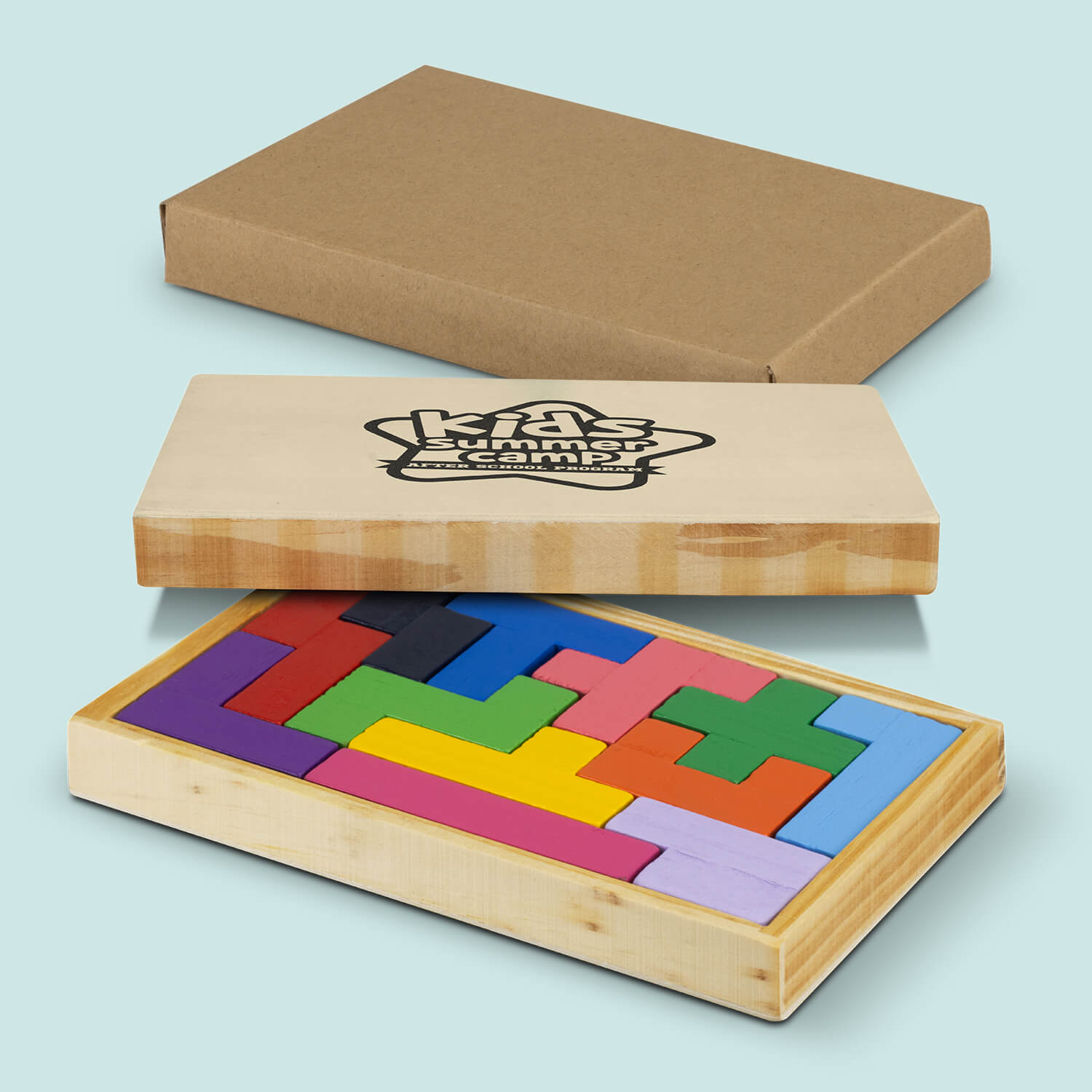
Bamboo and wooden products are most commonly branded using laser engraving, which uses a focused beam to etch a permanent mark directly into the surface without ink. Hot stamping is a second option, where a heated metal plate presses a design into the material, producing a slightly embossed finish. Both methods suit the natural grain of bamboo and wood and give a premium, handcrafted look. Laser engraving is preferred for detailed logos and fine text because it holds sharp edges well. Neither method fades, peels or washes off, making them ideal for items used daily.
Are wheatstraw cups and bottles dishwasher safe
Most wheatstraw cups and bottles are safe for the top rack of a dishwasher, but individual product specifications vary, so it is worth confirming with the product details before recommending them for daily office use. Wheatstraw is a composite material that bonds plant fibre with food-safe resin, and repeated high-heat washing can shorten the product lifespan over time. For recipients who will use the item as a daily office cup, a vacuum-insulated stainless steel bottle or a glass bottle may offer better long-term durability. Wheatstraw is well suited to giveaway use where a moderate lifespan is acceptable.
Can I order eco promotional products in small quantities for a community event
Yes, many eco promotional products are available from stock in smaller order runs, making them accessible for schools, councils, not-for-profits and small businesses running community events. Stock eco items like cotton tote bags, wheatstraw cups and cork notebooks are typically available at lower minimum quantities than indent production orders. Indent orders, where products are manufactured to your exact specification, generally require higher volumes but offer savings of 20 to 35 percent on the unit price. Our team can advise on the most cost-effective option based on your quantity, timeline and material preference.
How long does production take for branded eco products
Production on most branded eco products from stock takes about 2 weeks from the date your artwork is approved, with delivery across Australia included in that timeline for most orders. Indent production, where items are custom-manufactured to your specification, requires longer lead times that vary by product and order volume. If you have a fixed event date or internal deadline, flag it early so the team can confirm the right production path and whether express options apply to your chosen product. Rush turnarounds are available on select stock eco lines for time-sensitive orders.