What is the difference between ceramic mugs and double wall mugs for office gifting
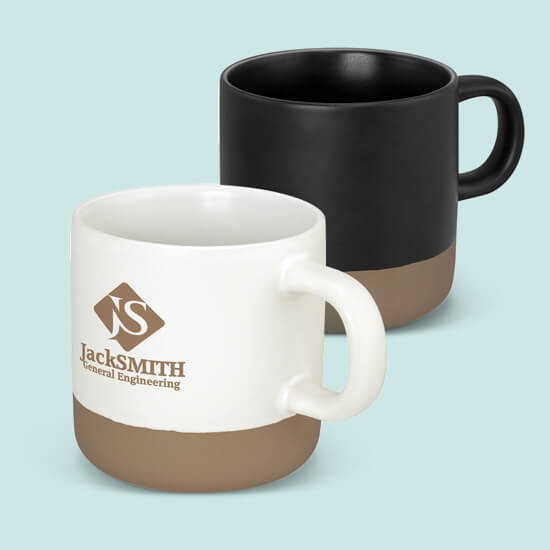
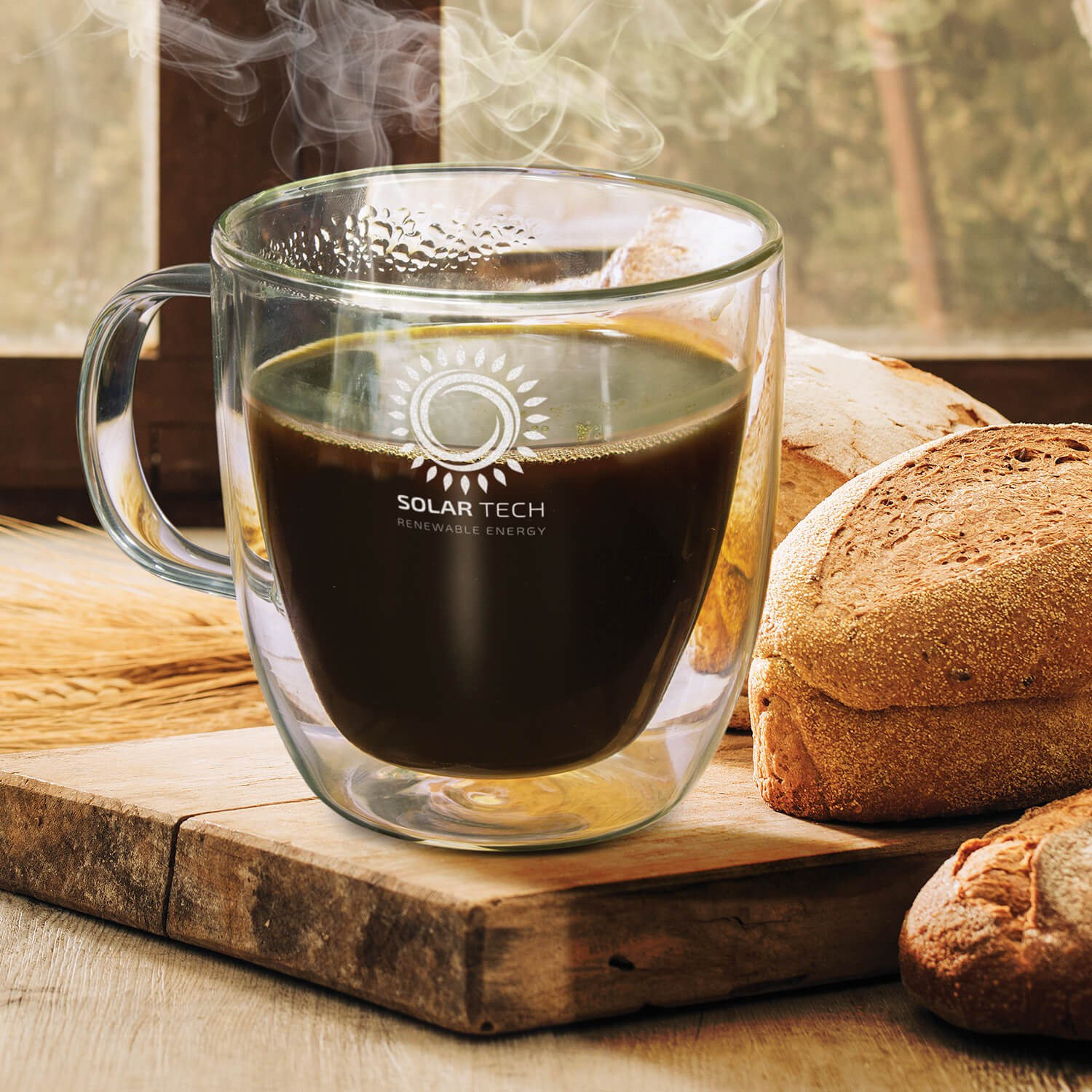
Ceramic mugs are the standard single-wall option, while double wall mugs have an inner and outer shell that slows heat transfer and eliminates condensation on the outside. For everyday desk use, ceramic is practical and cost-effective, and sublimation gives bold full-colour artwork across the full surface. Double wall mugs suit staff who want drinks to stay warmer longer without needing a lid. If the gift is going to a senior team member or valued client, a double wall option adds a noticeable step up in quality and feel.
Which is better for executive gifts, stainless steel mugs or ceramic mugs
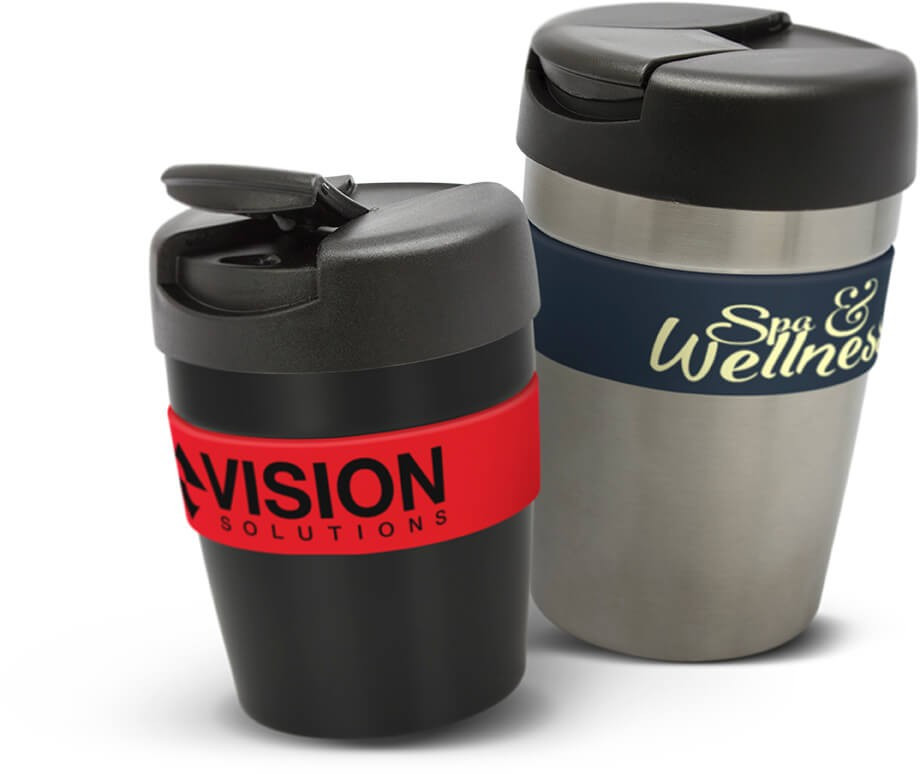
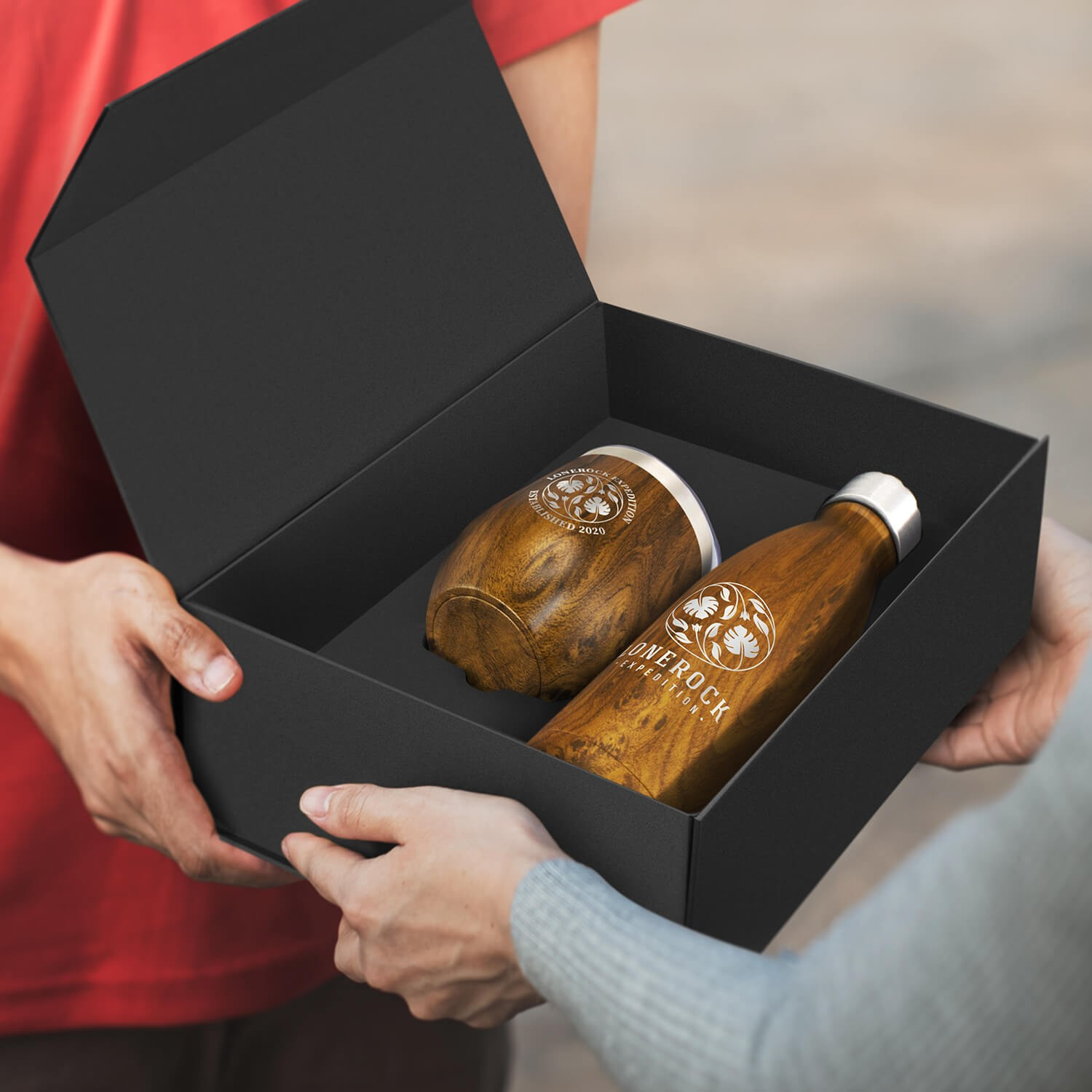
Stainless steel travel mugs suit executive gifts where durability, portability and a premium finish are priorities, while ceramic mugs work better for desk-based or hospitality gifting. Laser engraving on stainless steel etches a permanent, no-ink mark into the metal surface that holds up through daily use and dishwasher cycles without fading. Ceramic mugs decorated with sublimation give a full-colour branded result and are better suited to open-plan offices and reception areas. For a senior client or partner gift, stainless steel in a gift box tends to land better than a standard mug.
How do branded drink bottles compare to travel mugs for tradeshow giveaways
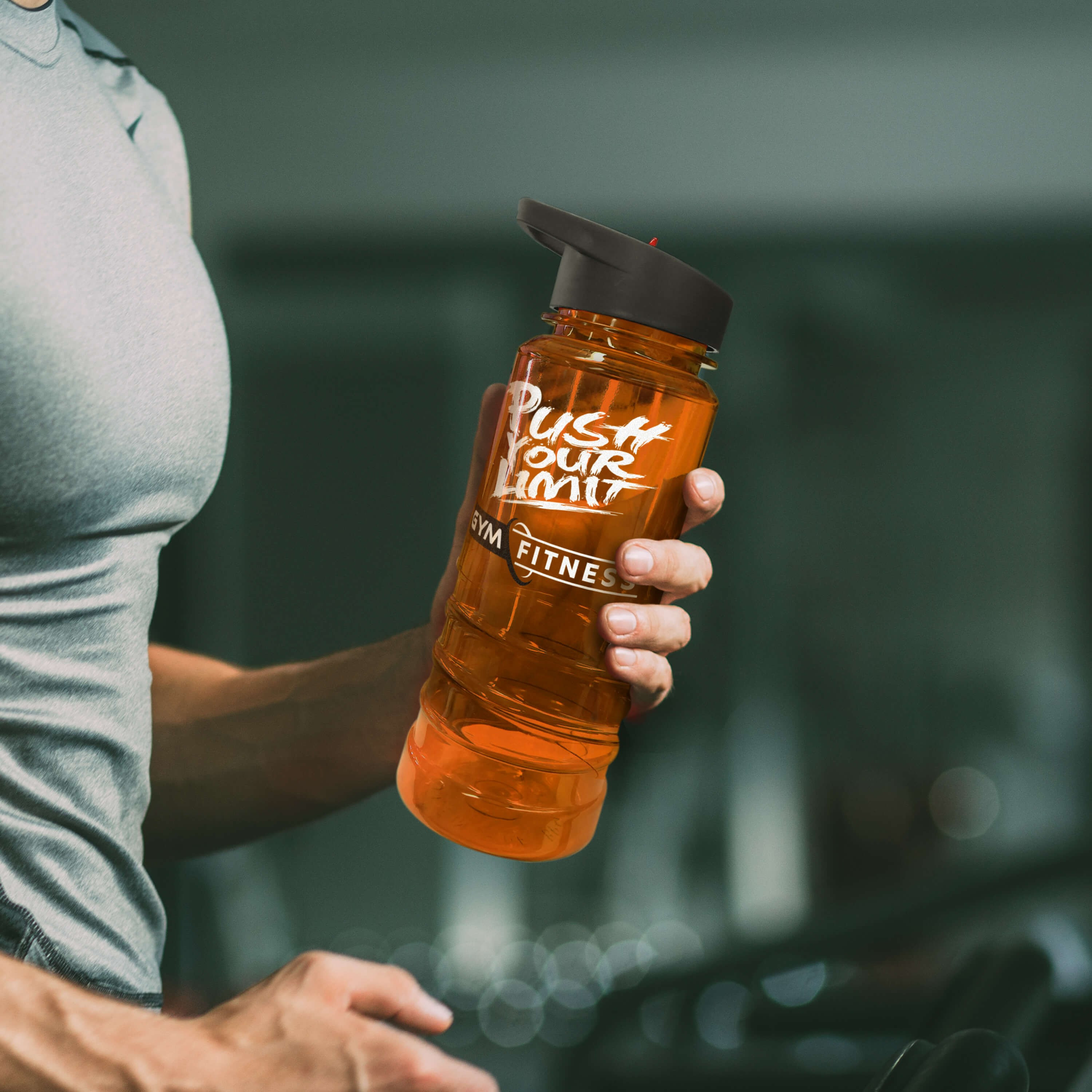
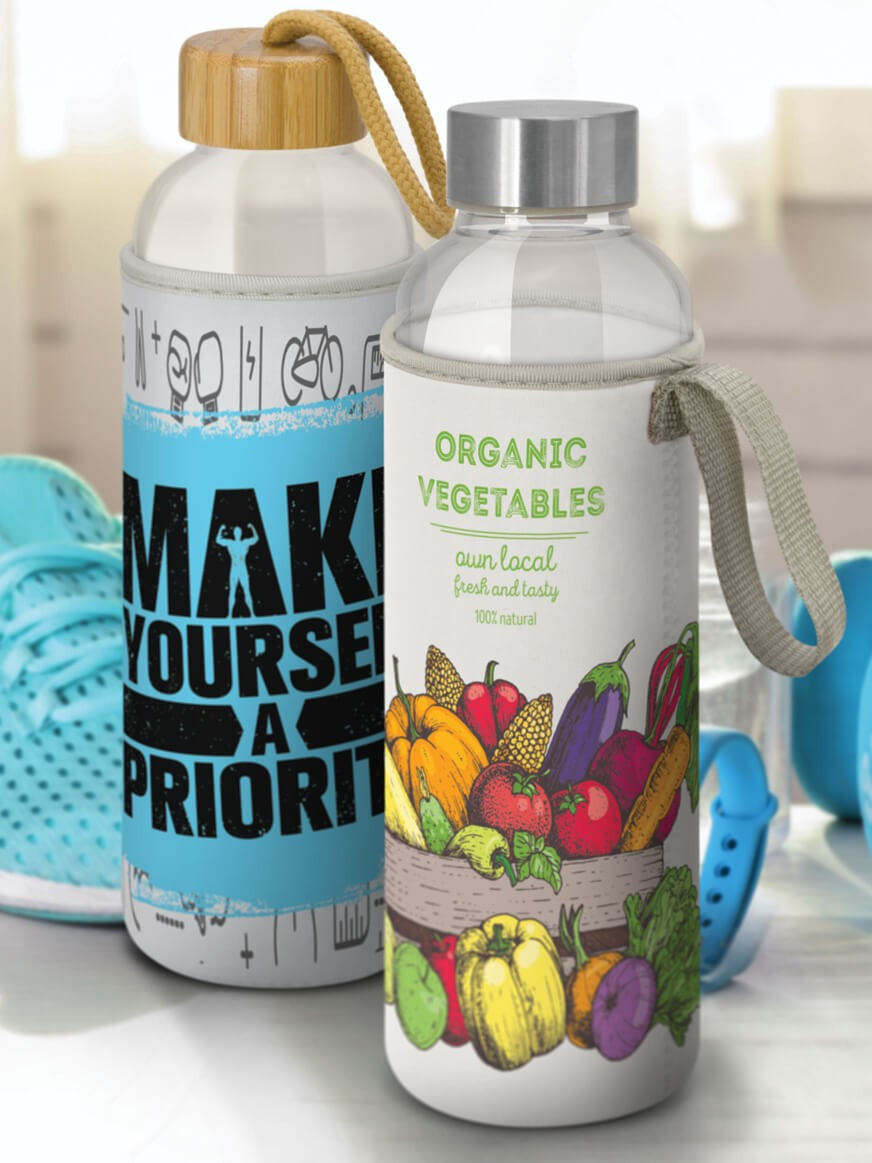
Branded drink bottles are lighter, easier to carry in bags and generally more cost-effective for high-volume tradeshow handouts, while travel mugs offer higher perceived value for premium delegate packs. A pad-printed plastic bottle travels well, suits outdoor and fitness audiences, and works across a wider age range of recipients. Travel mugs with lids are heavier and more suitable for conference packs where delegates sit in sessions and want hot drinks on hand. The choice often comes down to budget per unit and the profile of the recipient group at your specific event.
What is the difference between sublimation and pad print for branded mugs
Sublimation transfers full-colour ink into the coating of a ceramic mug using heat, producing a wrap-around print that covers the full surface with photographic quality and will not peel or fade. Pad print transfers a single spot colour or a small multi-colour design onto a curved surface using a silicone pad, and it suits plastic or eco material cups where the artwork is a logo mark rather than a full-wrap design. Sublimation requires a white or light-coloured mug to work correctly. For detailed, multi-colour logos, sublimation on ceramic is usually the right call. For simple logo marks on eco or wheat straw cups, pad print is practical and cost-effective.
Are eco wheat straw cups genuinely sustainable as branded giveaways
Wheat straw cups are made from the fibrous stalk left after wheat grain is harvested, which is a plant-based byproduct that would otherwise go to waste, making them a lower-impact alternative to standard plastic. They are not fully biodegradable in all conditions, but they do use less virgin plastic in the material mix and appeal strongly to organisations communicating sustainability values. Councils, universities and NFPs regularly order wheat straw cups for awareness campaigns and community events because the material itself reinforces the message. If your brand has a sustainability policy, these give a consistent story across the product and the purpose.
Can branded stubby holders be used for both cans and bottles
Most neoprene stubby holders are sized for standard 375ml cans, but bottle-format versions are available to fit longneck stubbies and 600ml water bottles. The neoprene material keeps drinks cold by providing a layer of insulation between the hand and the can or bottle, which also prevents condensation dripping onto surfaces. Sublimation on neoprene gives full-colour, edge-to-edge branding across the full exterior surface, making it the preferred method for sporting club logos, sponsor artwork and event branding where colour impact matters. Confirm the intended format with the team when ordering to ensure the right size is matched to your beverage type.
How long does production take for branded drinkware orders
Most branded drinkware stock orders are ready within about two weeks from artwork sign-off, covering production and dispatch to your location anywhere in Australia. Ceramic mugs and drink bottles on stock programs tend to move through production faster than indent orders. Indent production, where drinkware is manufactured to a custom spec, takes longer and should be planned at least 6 to 8 weeks ahead of your deadline. If you have a fixed event date, flag it with the team early so the right production path is confirmed. Express options are available on selected stock lines for tight turnarounds.
What branding methods are available for stainless steel drink bottles
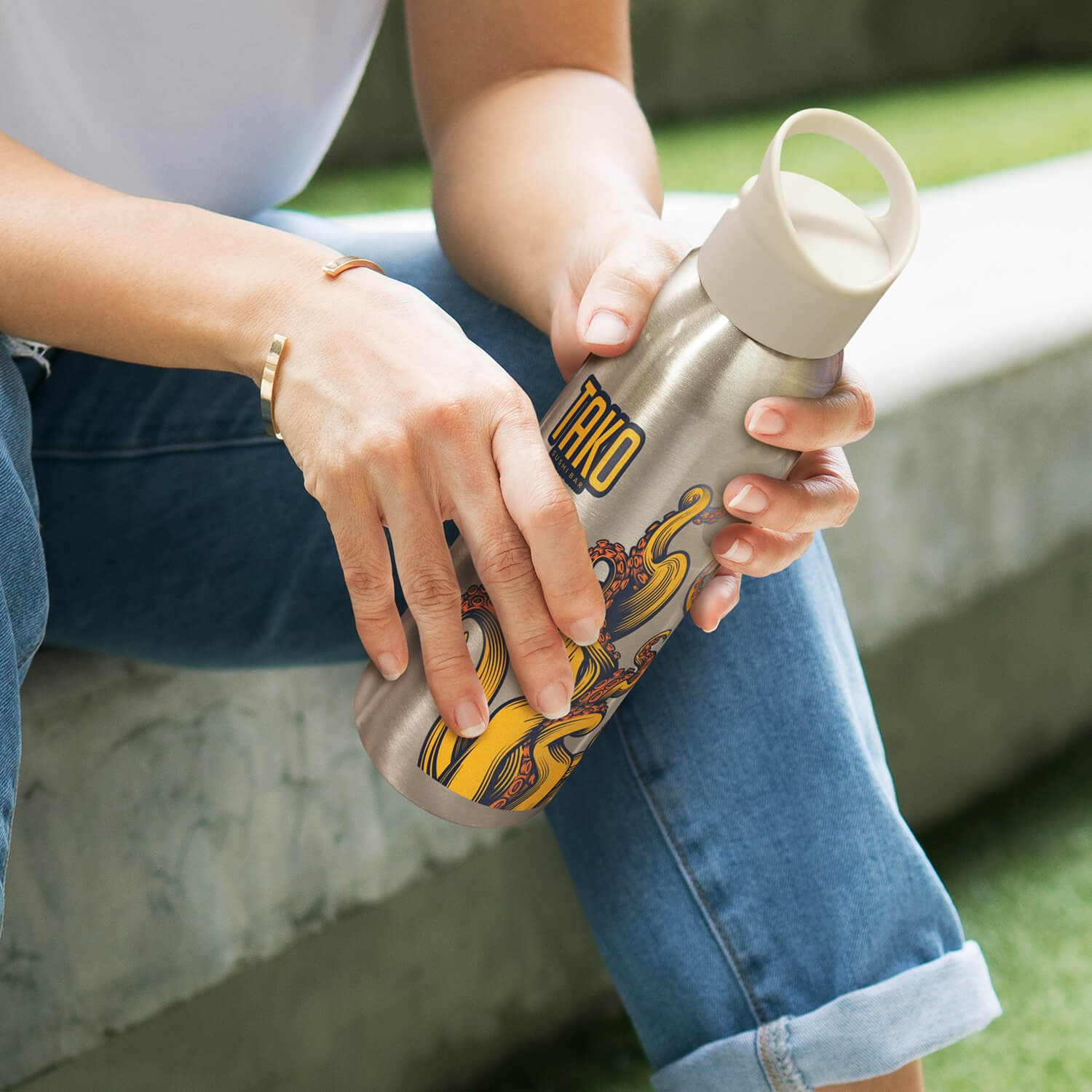
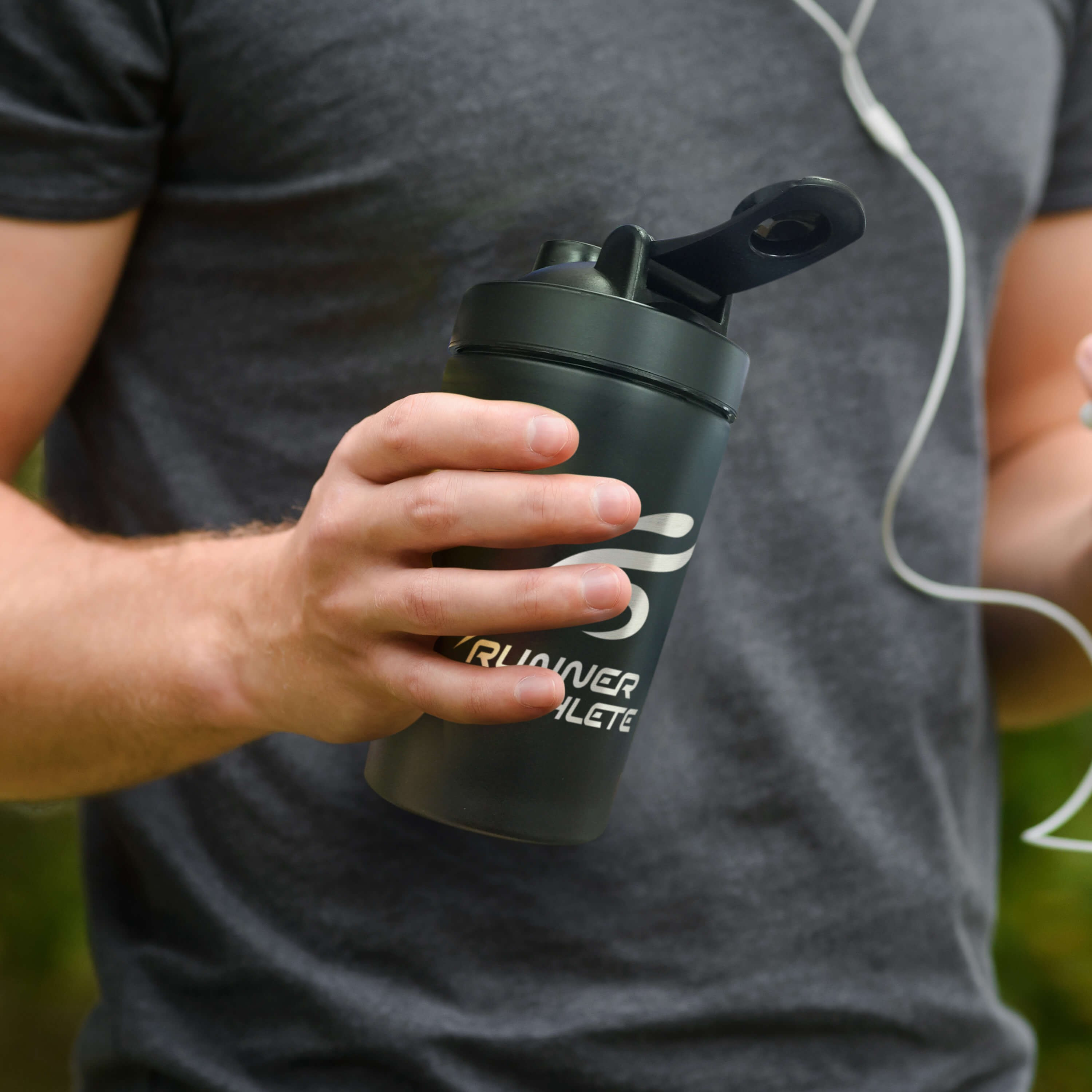
Stainless steel drink bottles are most commonly branded with laser engraving, which etches a permanent mark directly into the metal surface with no ink or paint involved. The engraved logo sits flush with the surface, gives a clean, executive finish and does not wear off with regular use or through the dishwasher. Rotary screen print is also available on cylindrical stainless steel surfaces for a single or multi-colour logo in Pantone-matched inks. For bottles with a powder coat or coloured exterior finish, laser engraving reveals the bare metal beneath, creating a two-tone contrast effect that is visually sharp and popular with corporate gift buyers.