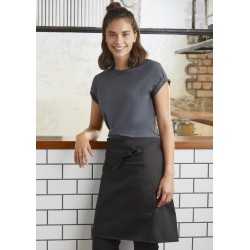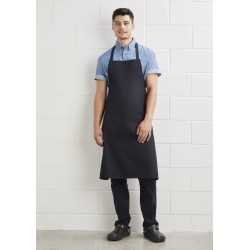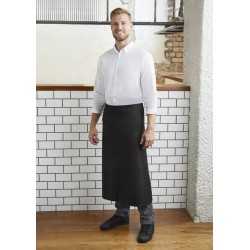
What is the difference between a bib apron and a waist apron for restaurant staff
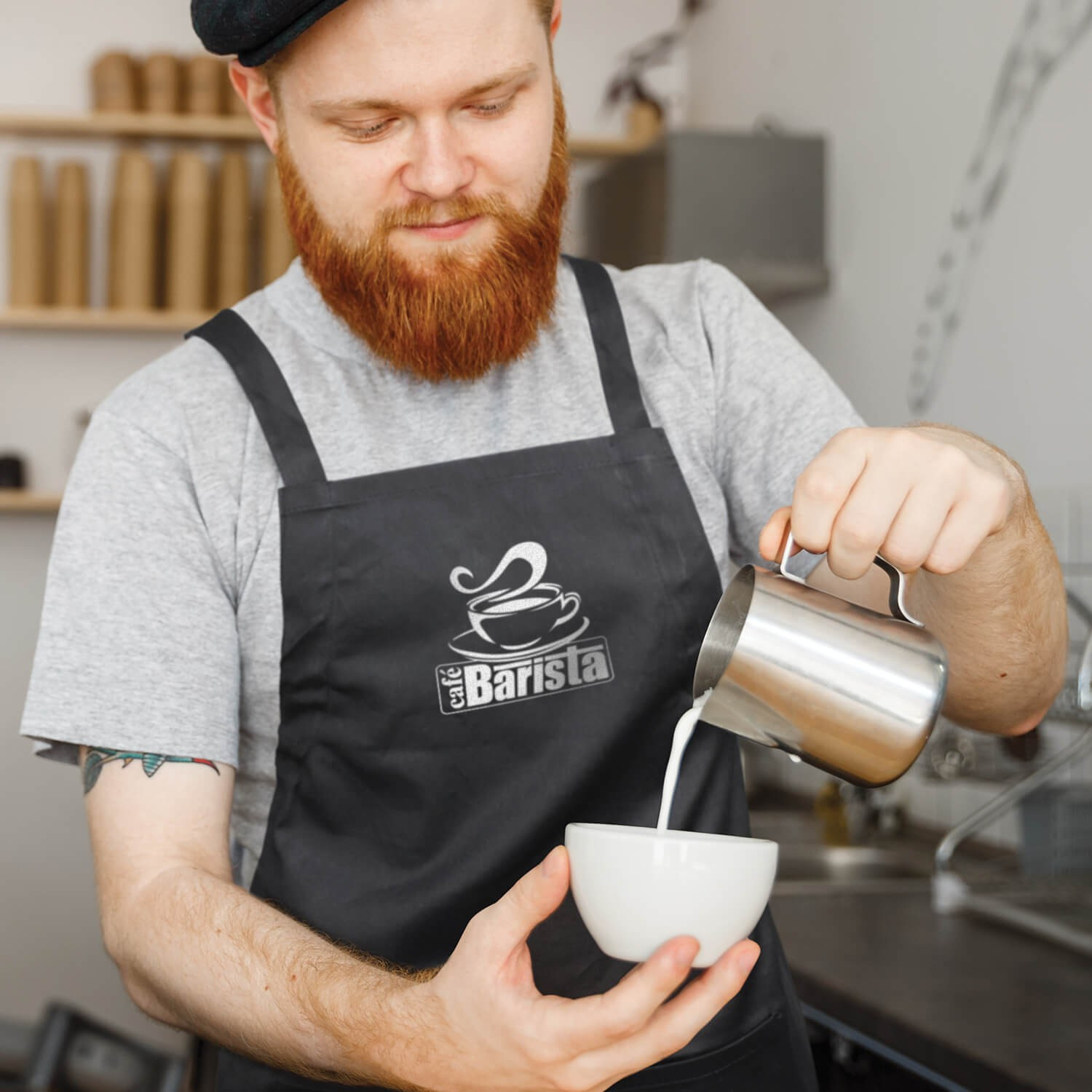
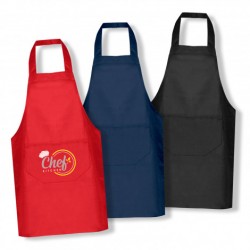
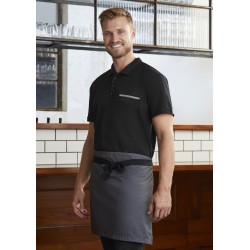
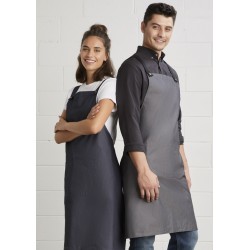
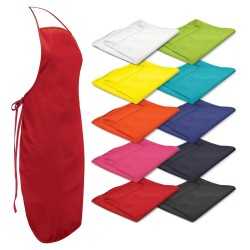
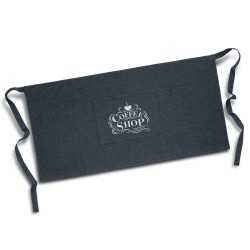
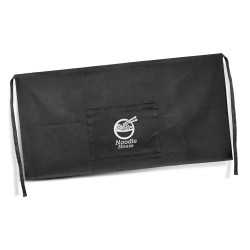
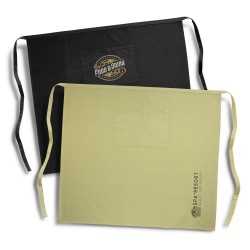
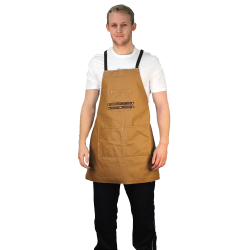
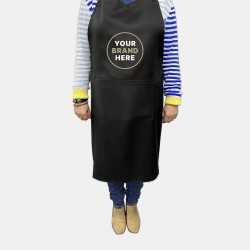
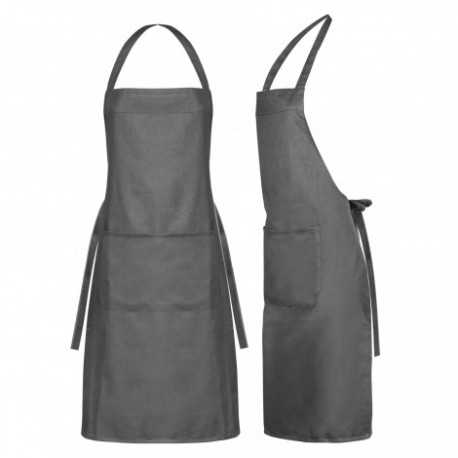
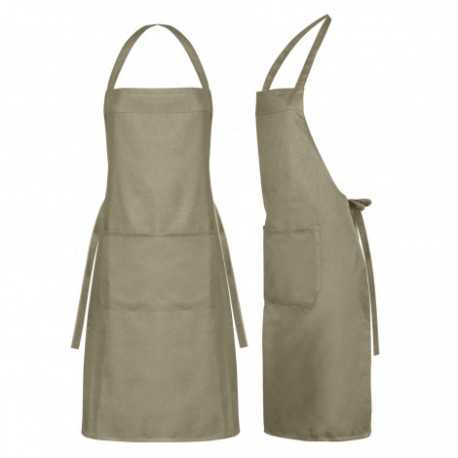
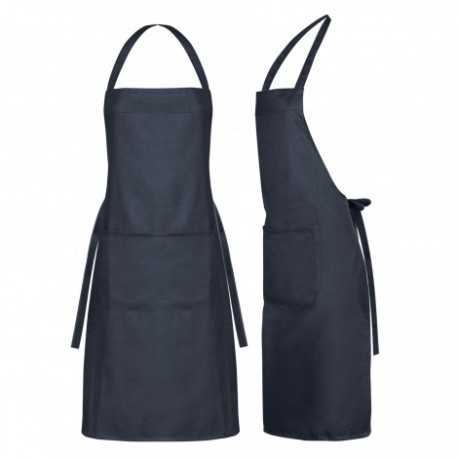
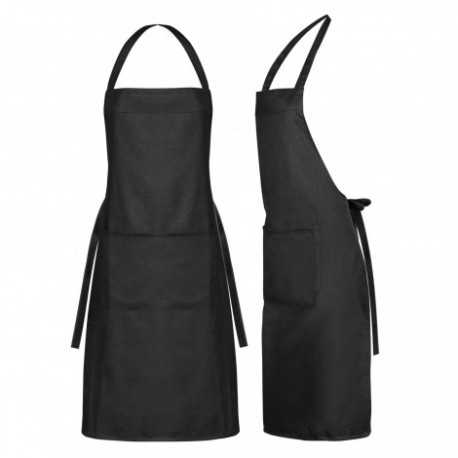
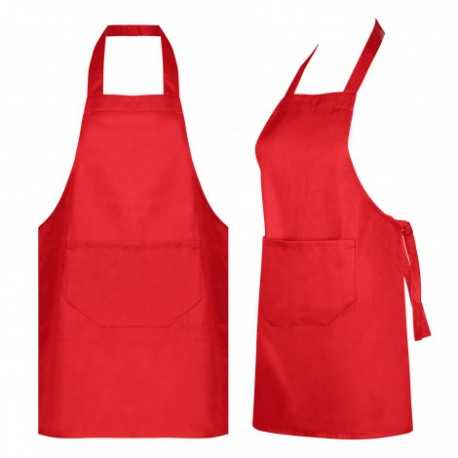
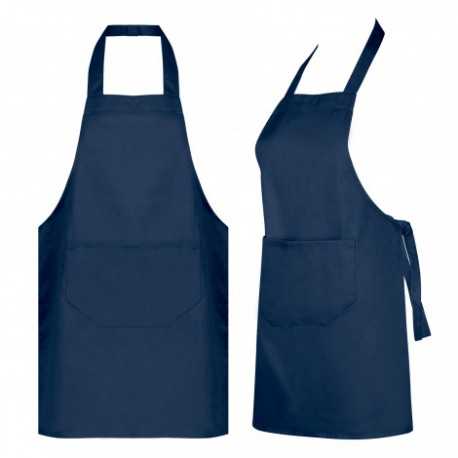
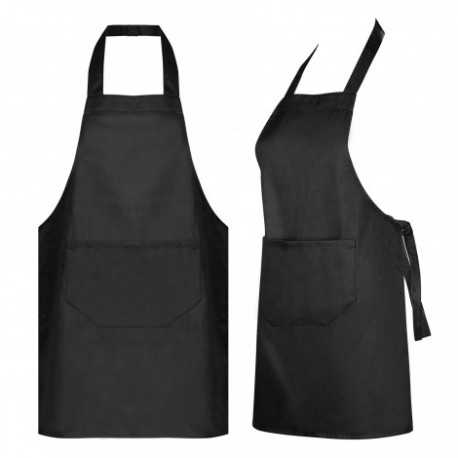
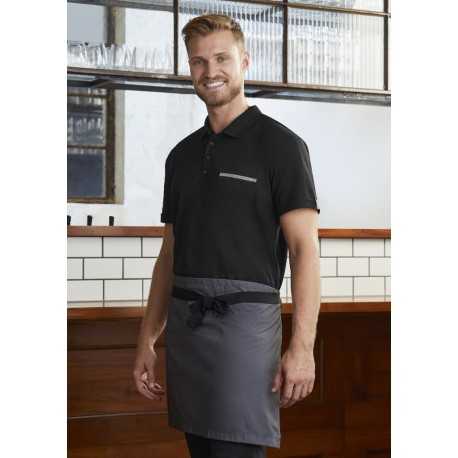
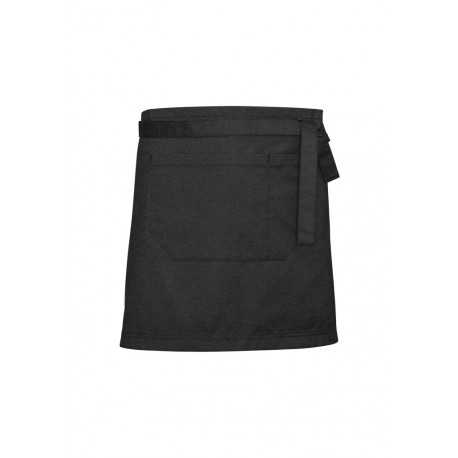
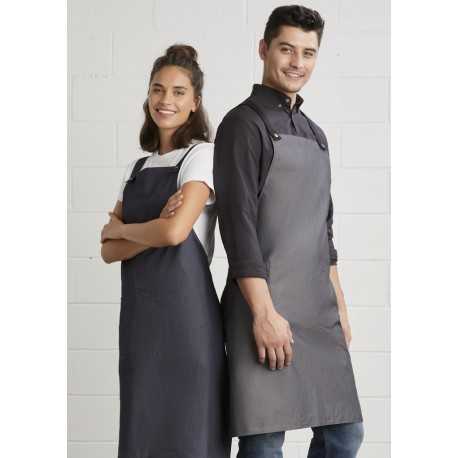
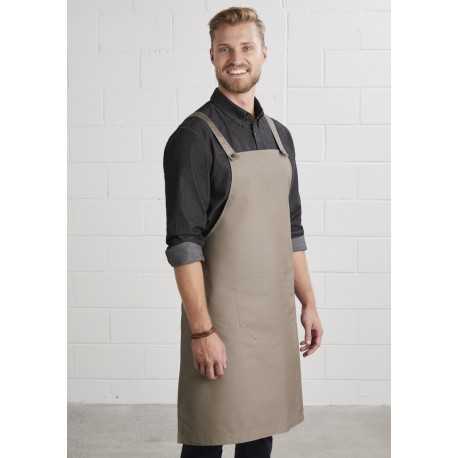
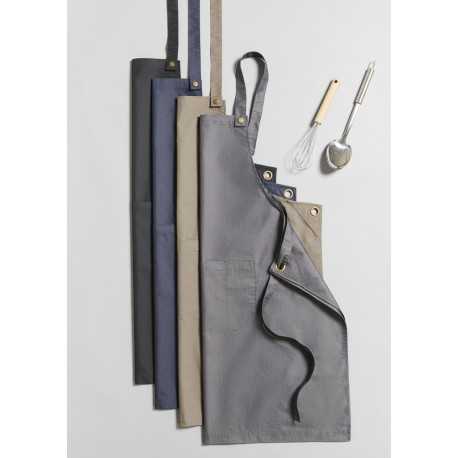
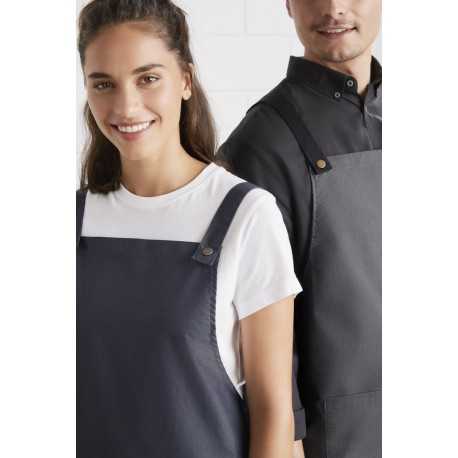
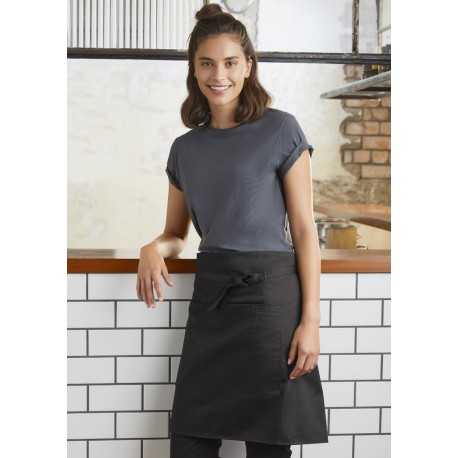
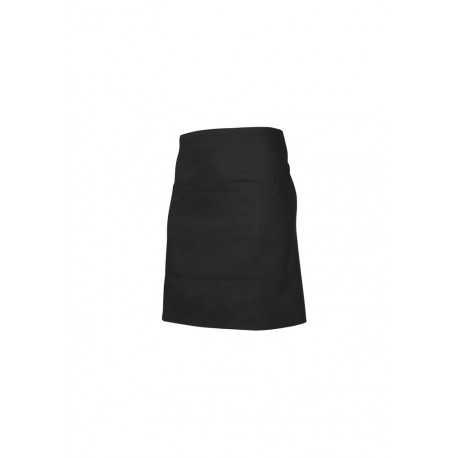
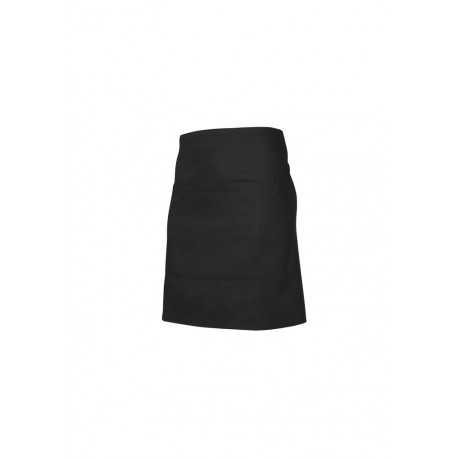
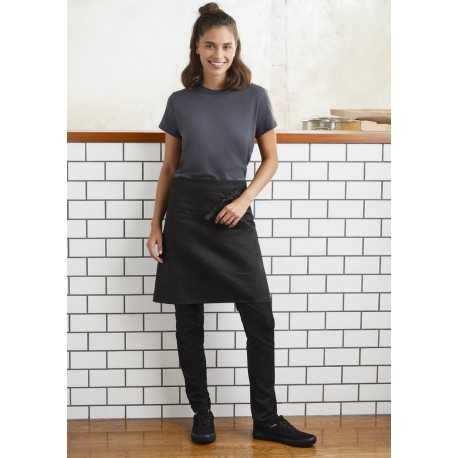
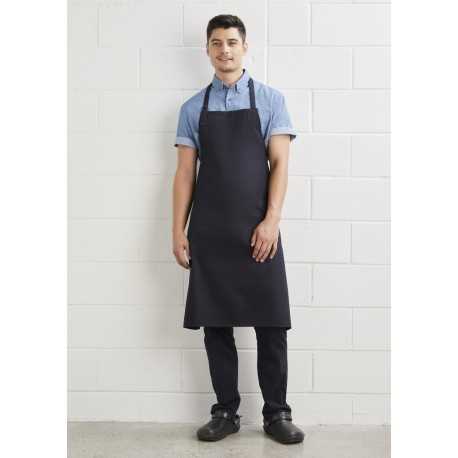
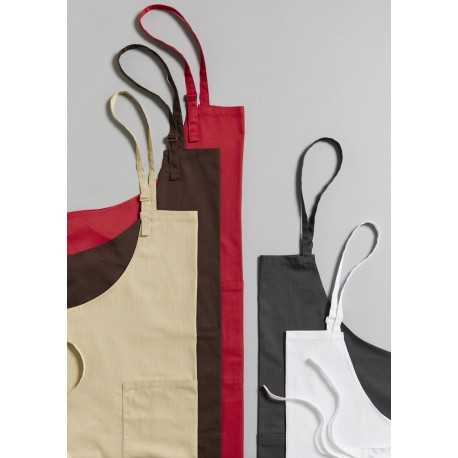
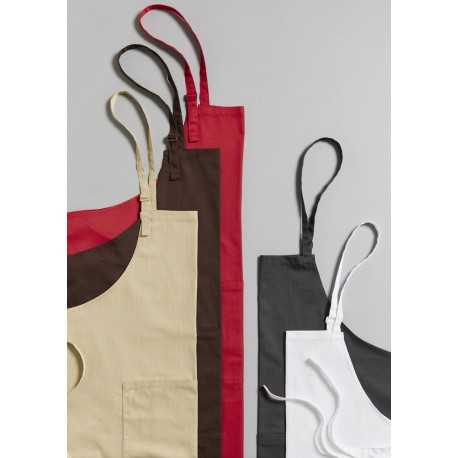
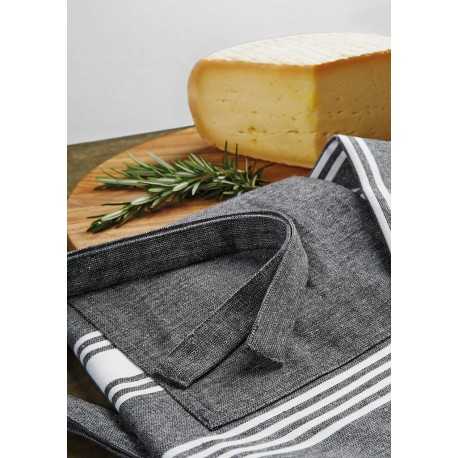
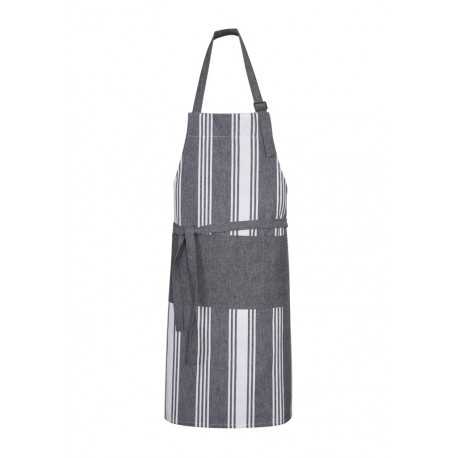
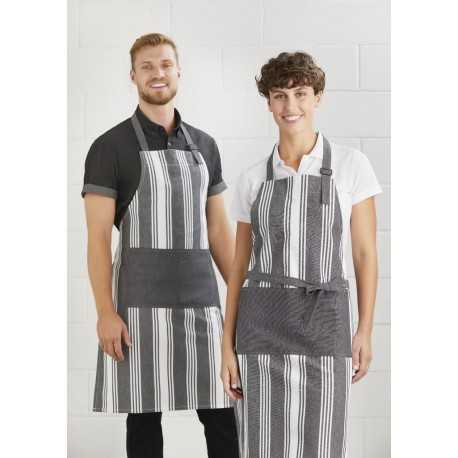
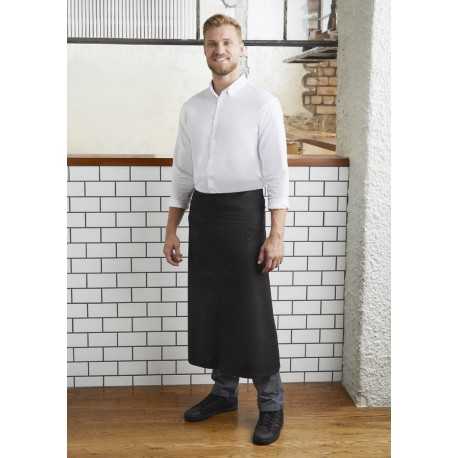
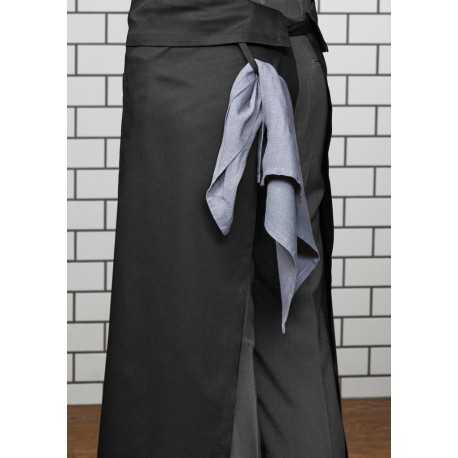
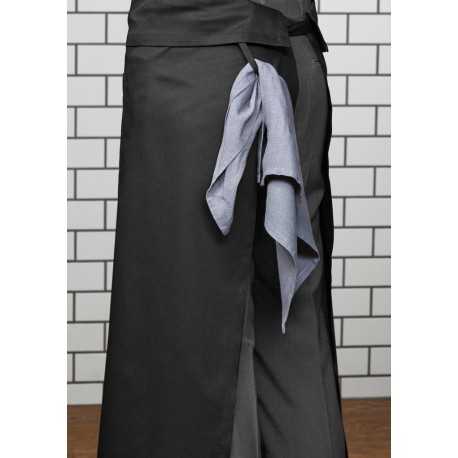
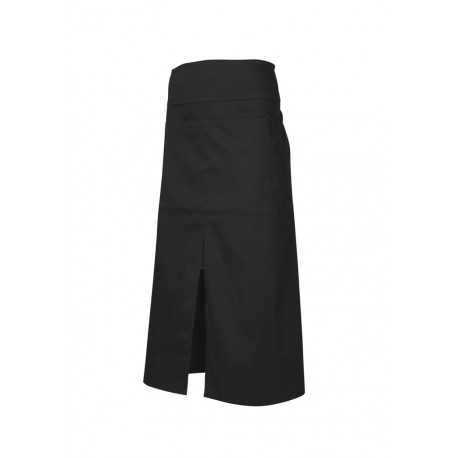
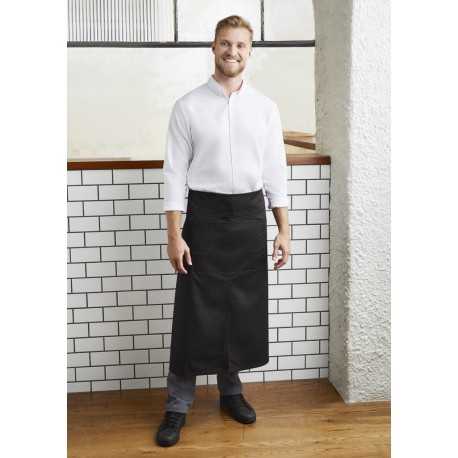
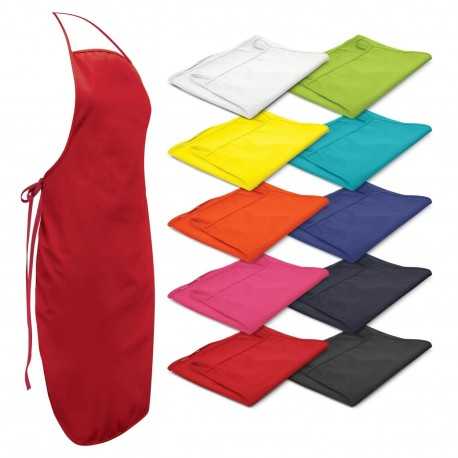
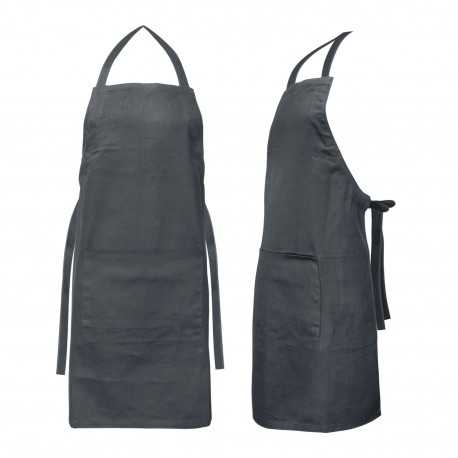
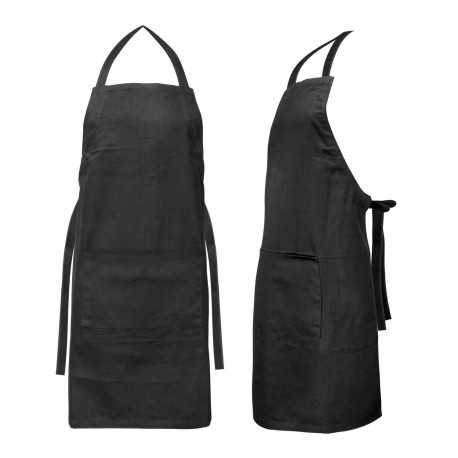
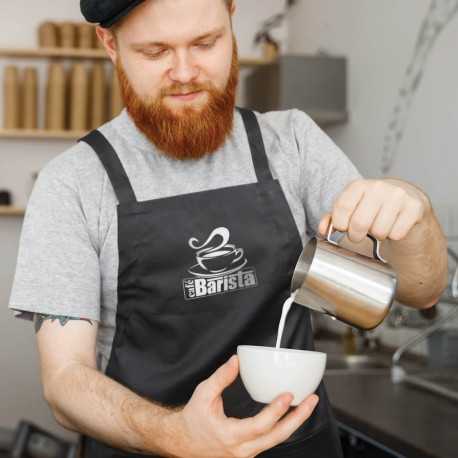
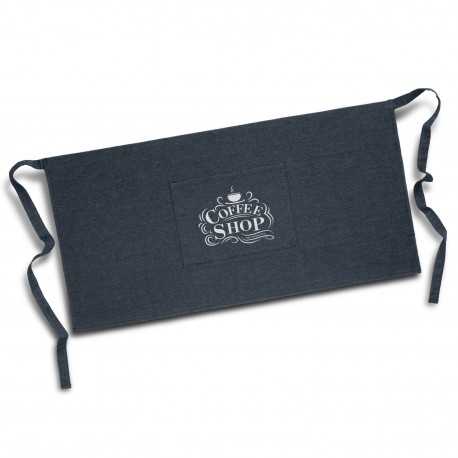
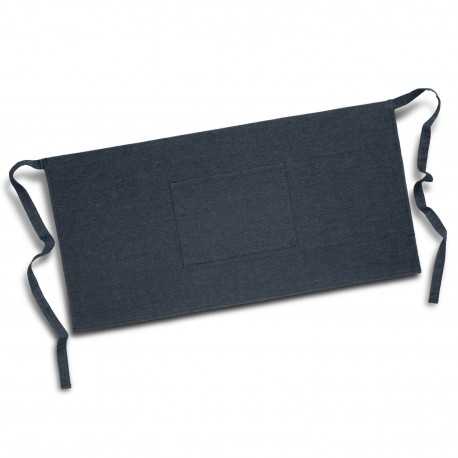
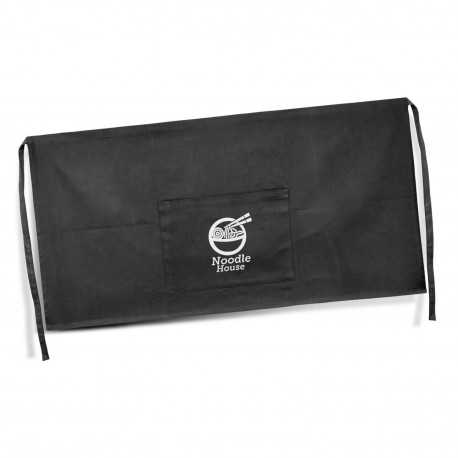
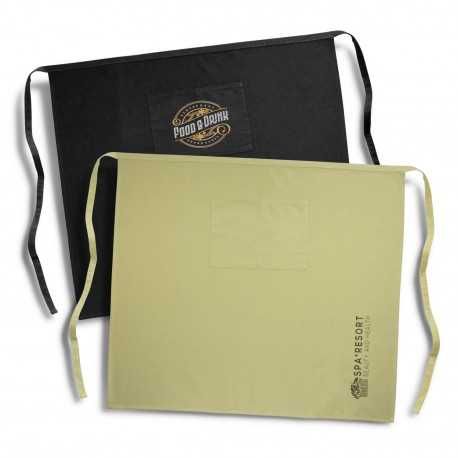
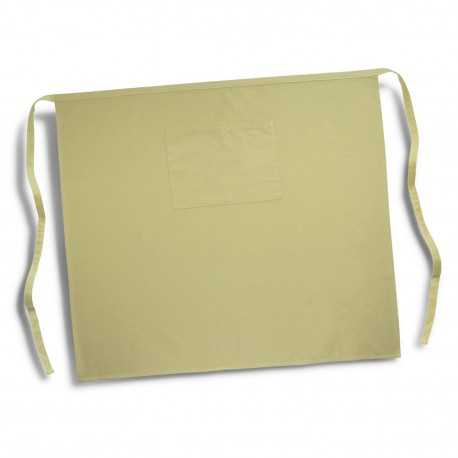
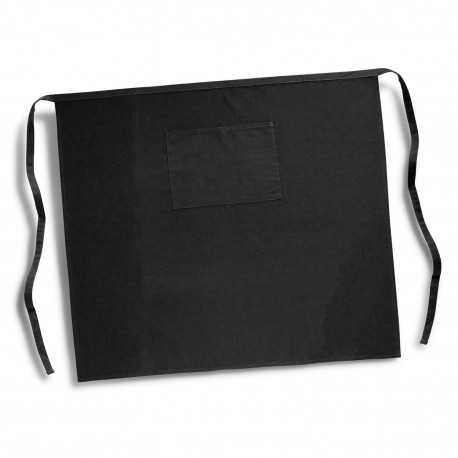
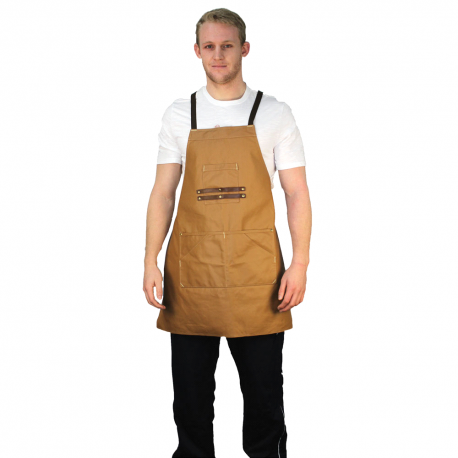
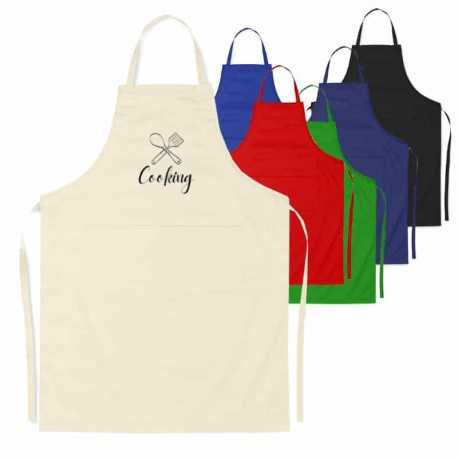
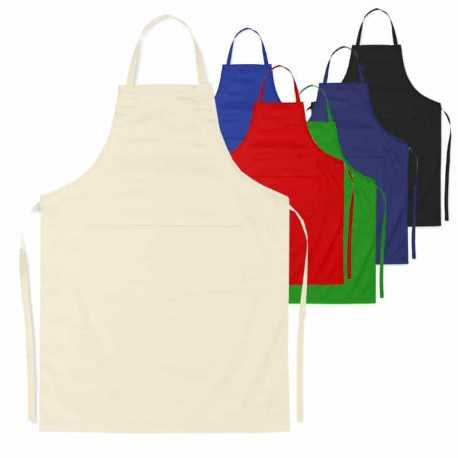
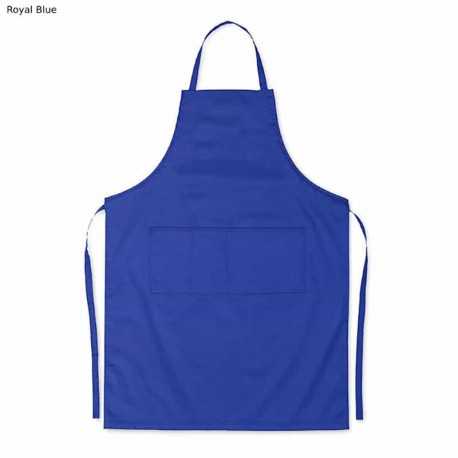
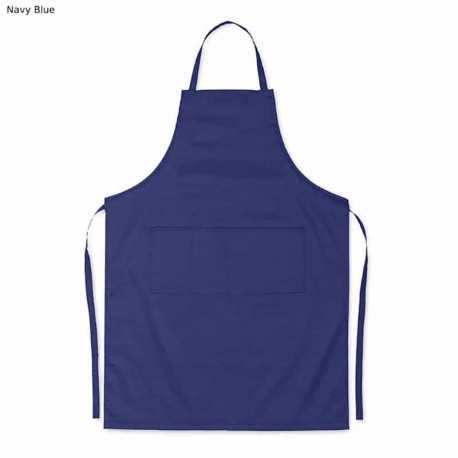
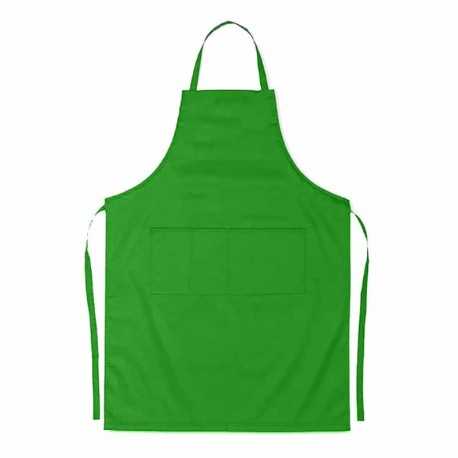
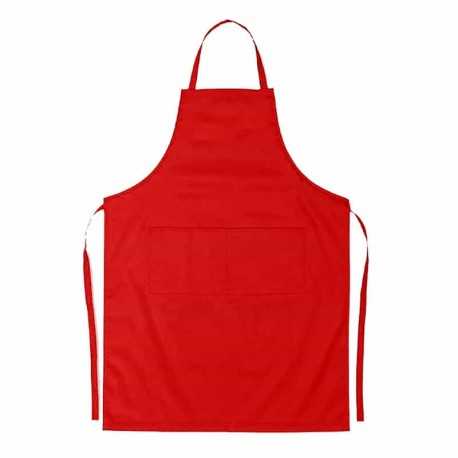
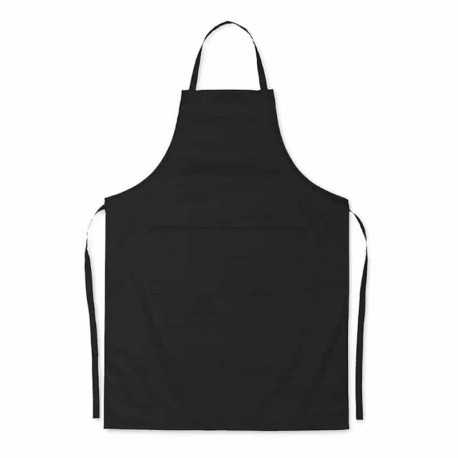
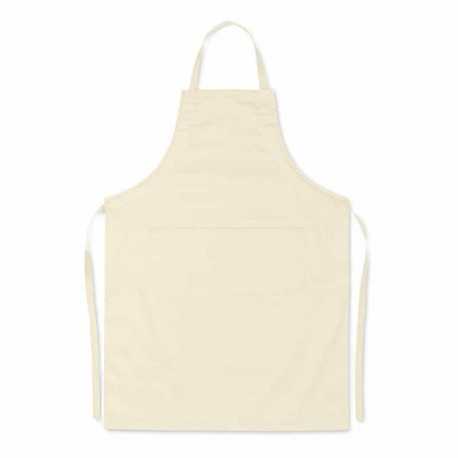
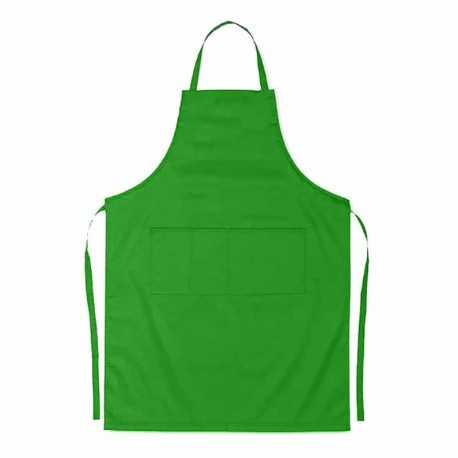
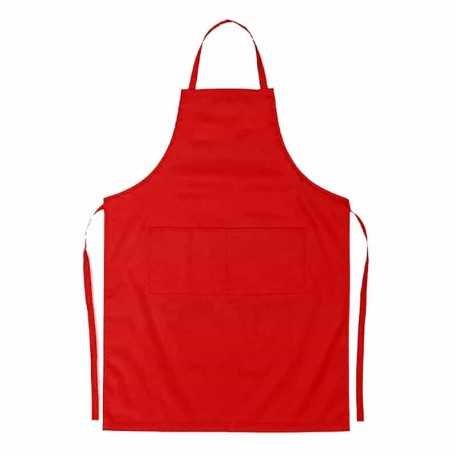
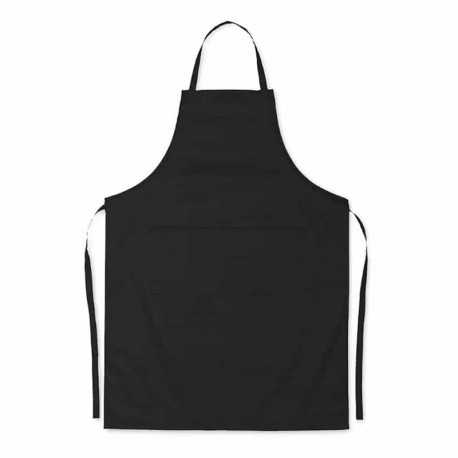
A bib apron covers the chest and torso, making it the preferred choice for kitchen staff, baristas and food prep roles where spills and splashes are common. A waist apron sits below the hip and covers only the lower body, giving floor staff and bartenders more freedom of movement during service. Waist aprons typically include a pen pocket and towel loop for easy access during a busy shift. Most venues order both styles to suit different team roles.
Which apron style works best for craft breweries and cellar door staff
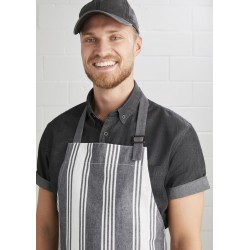
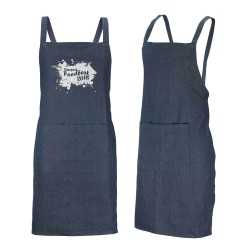
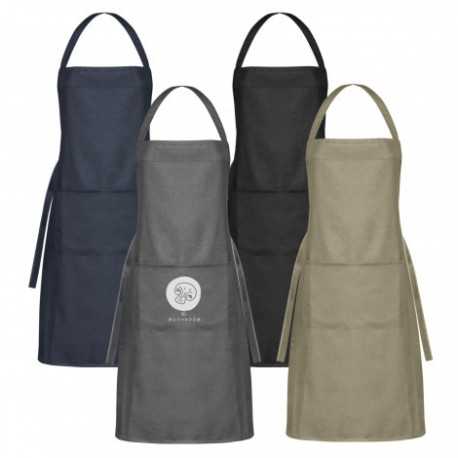
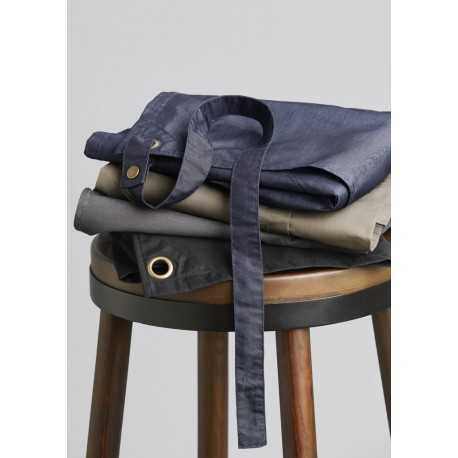
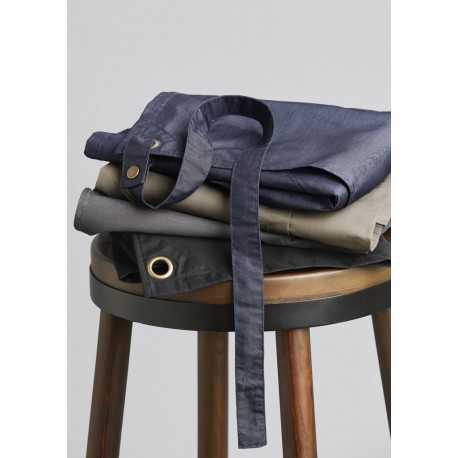
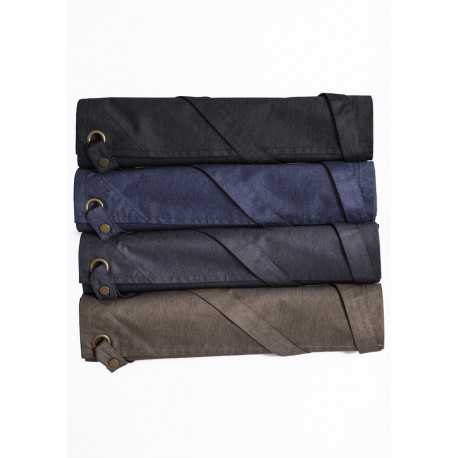
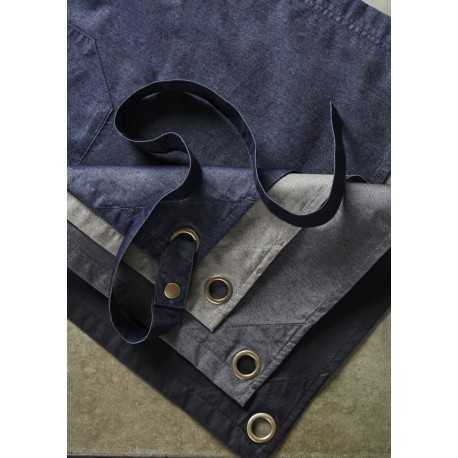
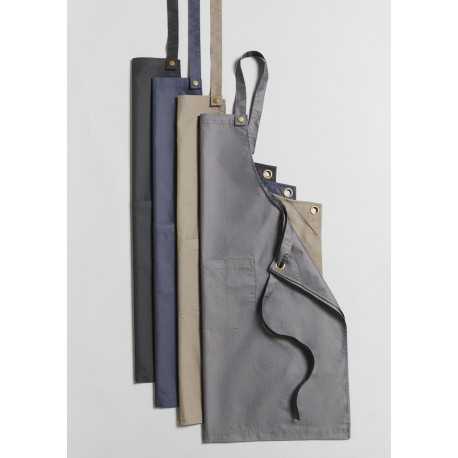
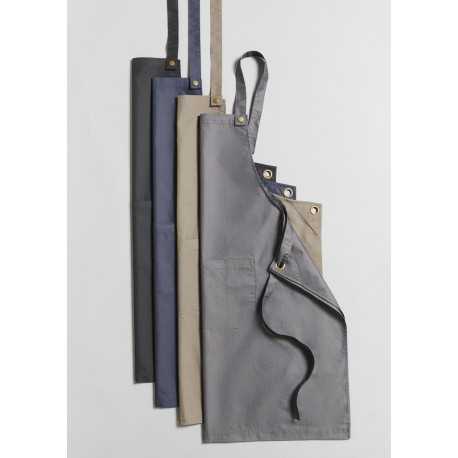
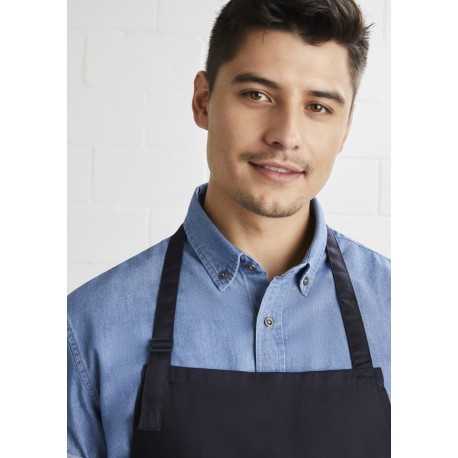
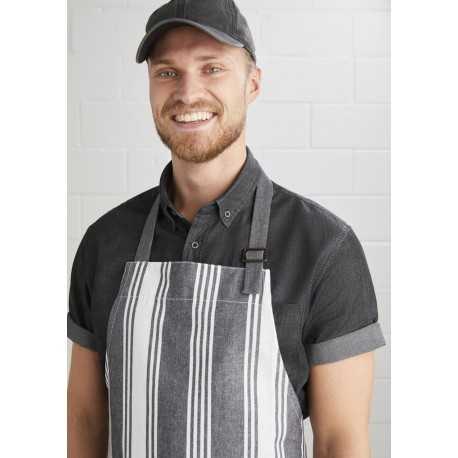
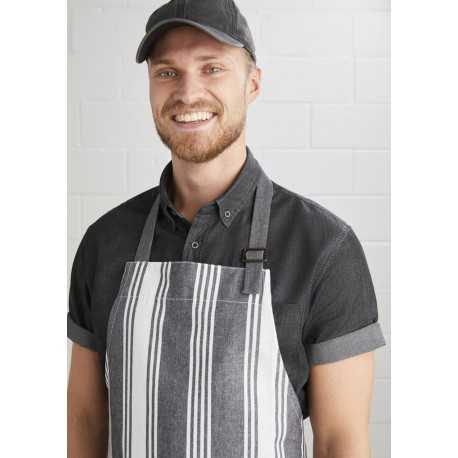
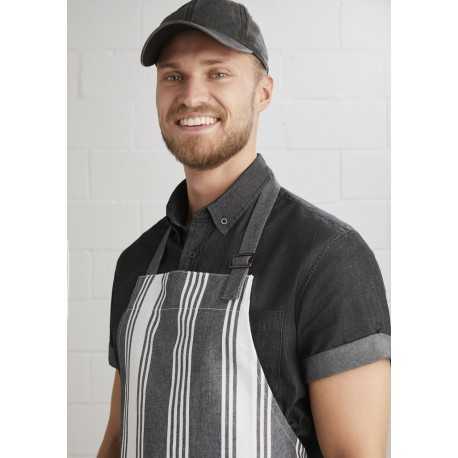
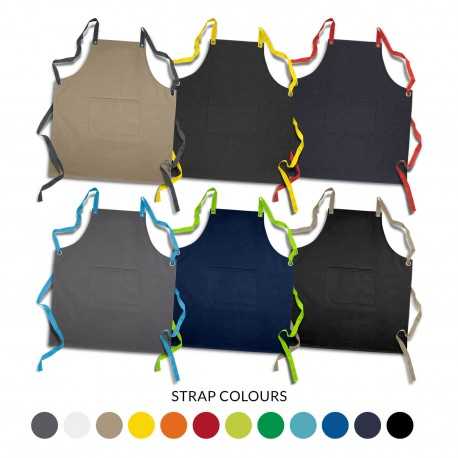
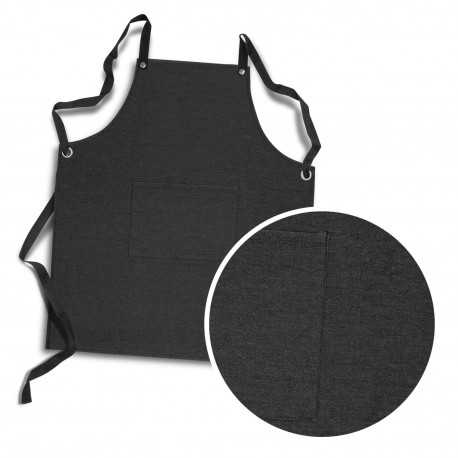
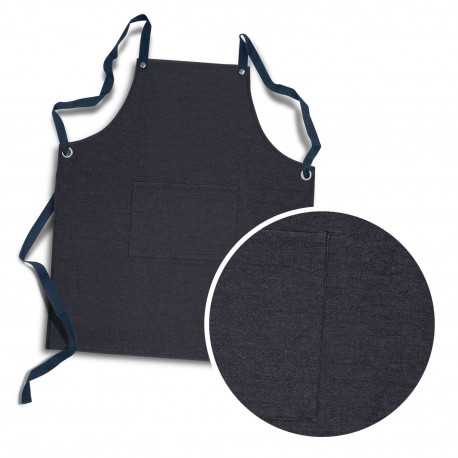
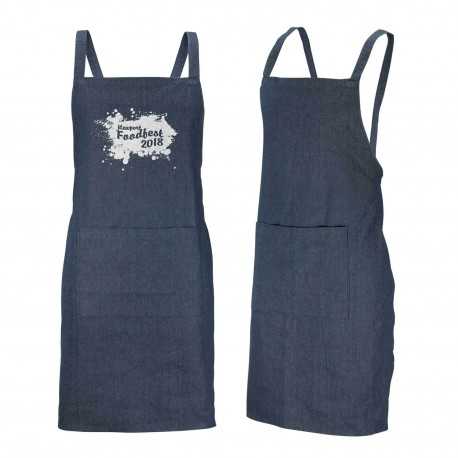
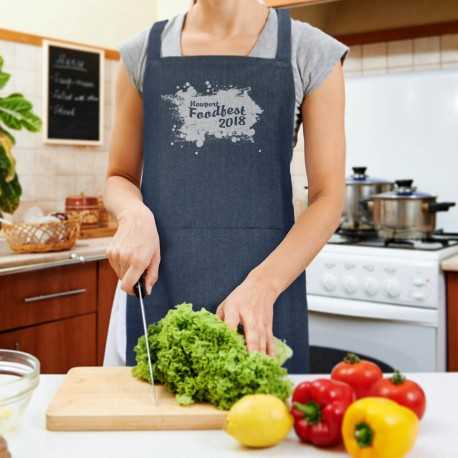
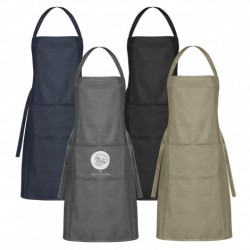
Denim and chambray aprons are the most popular choice for breweries, distilleries and cellar doors. The Carolina Denim Bib Apron and the Apron Unisex Salt Bib with its statement stripe give a styled, artisan look that fits the craft venue aesthetic. Metal eyelets and antique brass fittings add detail that photographs well for venue social media. Embroidered branding on denim gives a lasting finish that handles regular wear without fading or peeling away from the fabric.
How are logos applied to branded aprons
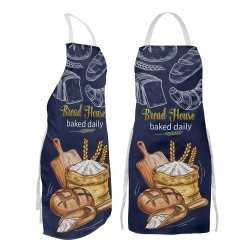
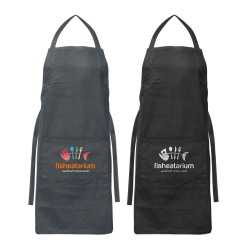
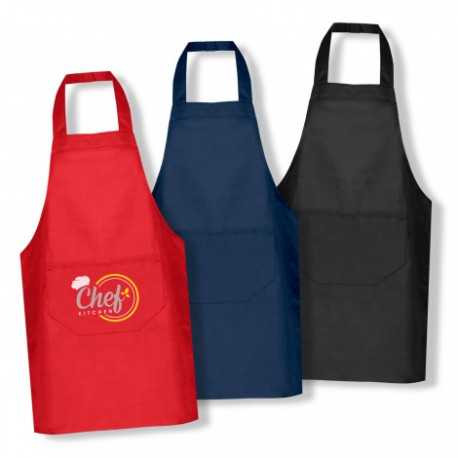
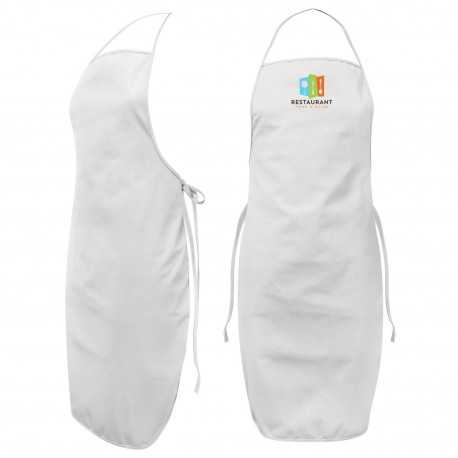
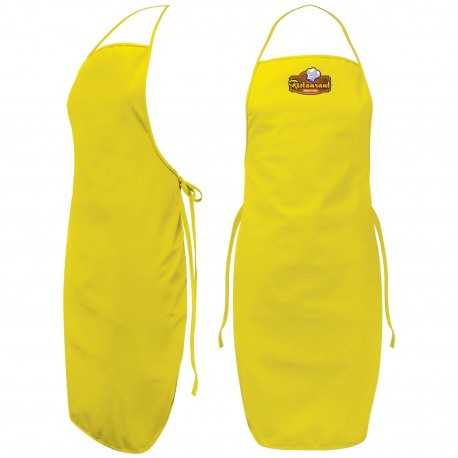
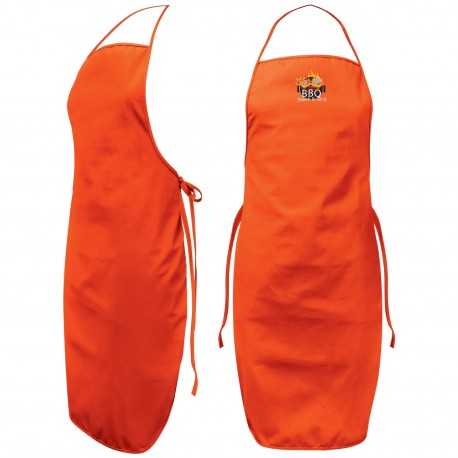
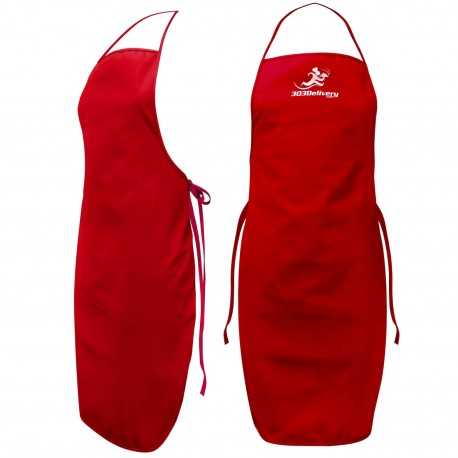
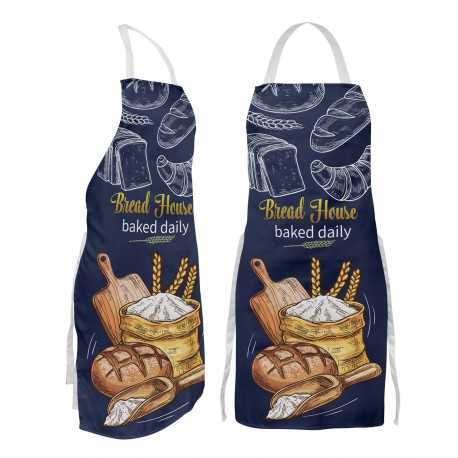
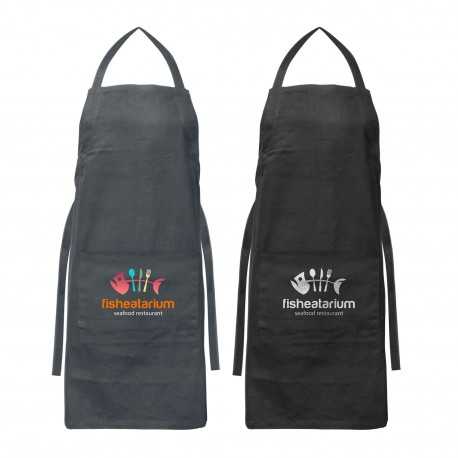
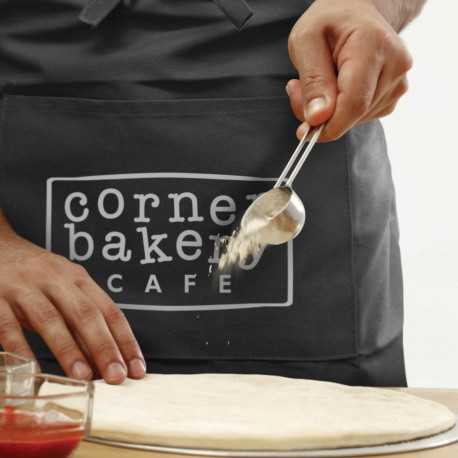
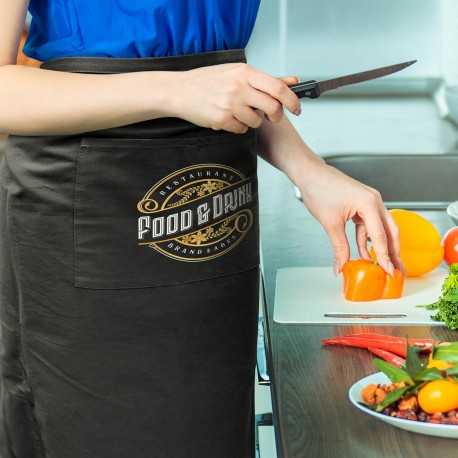
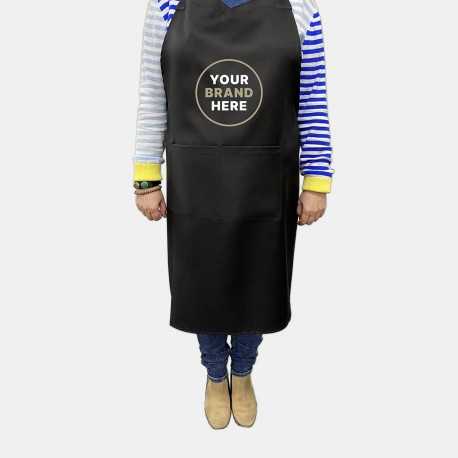
Screen print is the most common method for cotton and polyester aprons, laying a bold, solid logo directly onto the flat front panel. Embroidery stitches thread into the fabric, giving a raised, textured finish that lasts through heavy commercial washing. The Renzo Full Colour Bib Apron uses sublimation printing, which transfers full-colour artwork into the polyester fabric for an all-over print result. The right method depends on your logo type, fabric weight and the number of colours in your design.
What is the difference between the full colour bib apron and a standard cotton bib apron
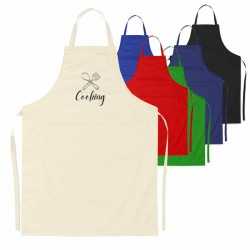
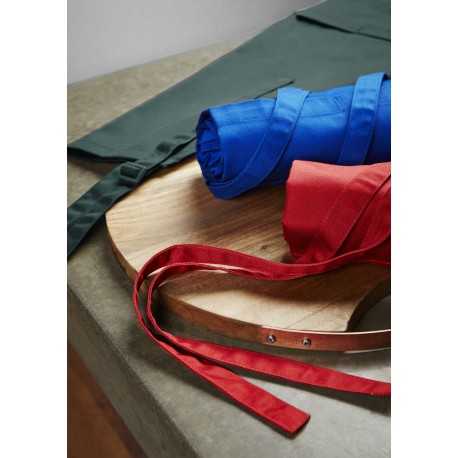
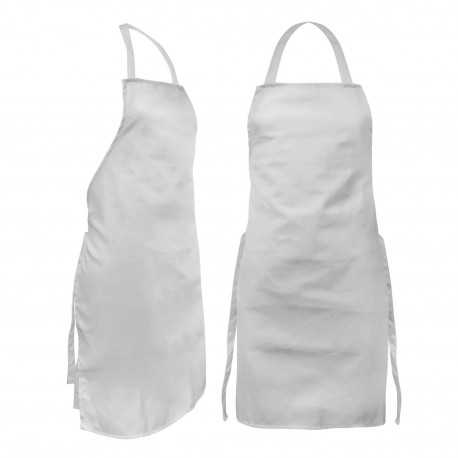
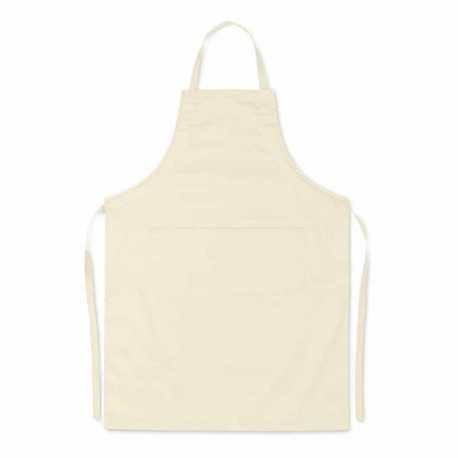
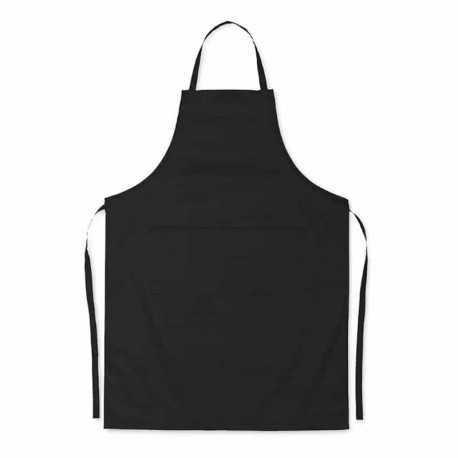
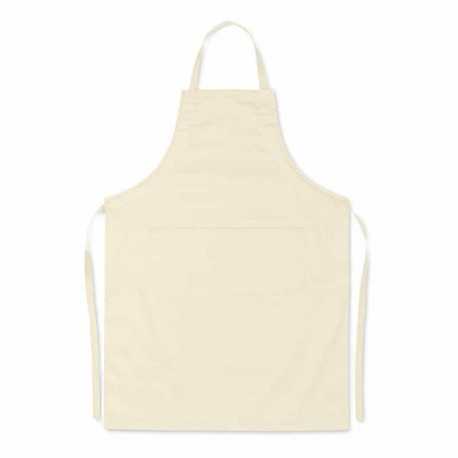
The Renzo Full Colour Bib Apron is made from 150gsm polyester twill and uses sublimation to print full-colour, photo-quality artwork across the entire apron surface. This makes it suited to brands wanting bold, eye-catching designs rather than a simple chest logo. A standard cotton bib apron, like the Savoy or Ritz at 180gsm, is heavier and more durable for commercial kitchen use, but is limited to screen print or embroidery with 1 to 4 spot colours. For everyday hospitality uniform use, cotton is typically the more practical choice.
Are branded aprons suitable as corporate gifts or hamper items
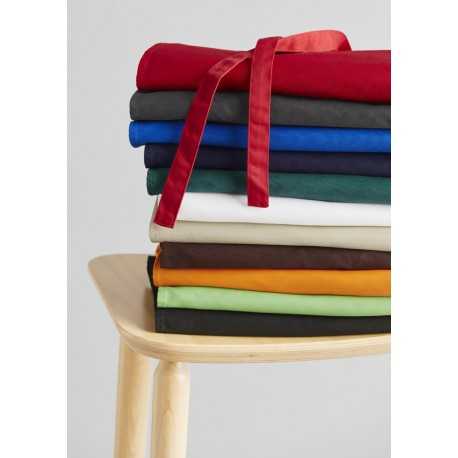
Yes, premium cotton and denim aprons work well as corporate gift items, particularly when paired with branded kitchen accessories in an end-of-year hamper or welcome pack. A quality apron is a practical gift that recipients keep and use at home, giving your logo ongoing exposure outside the workplace. Cotton twill and denim styles in neutral colours package well in a branded box. Embroidered branding lifts the perceived quality of the finished gift, which appeals to clients in real estate, finance and professional services.
Which aprons are most suitable for school cooking programs and kids events
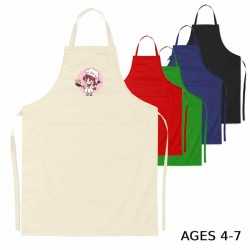
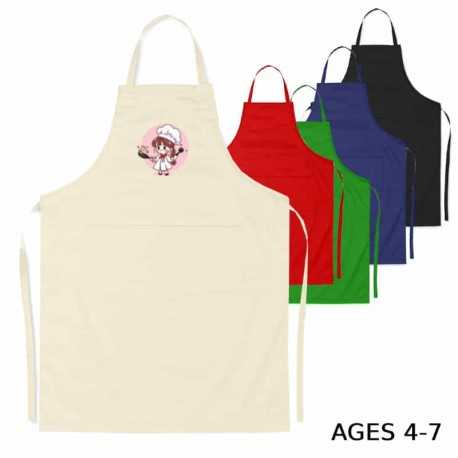
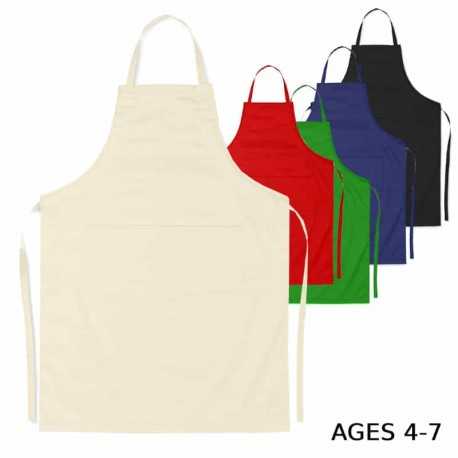
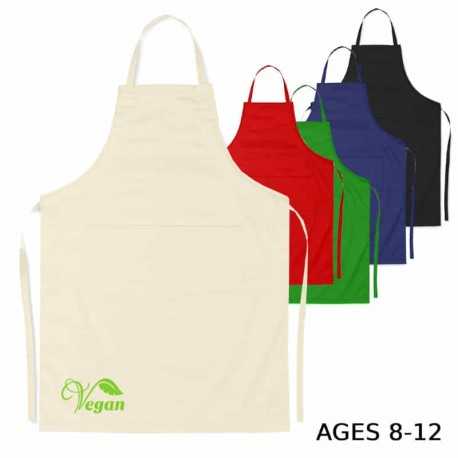
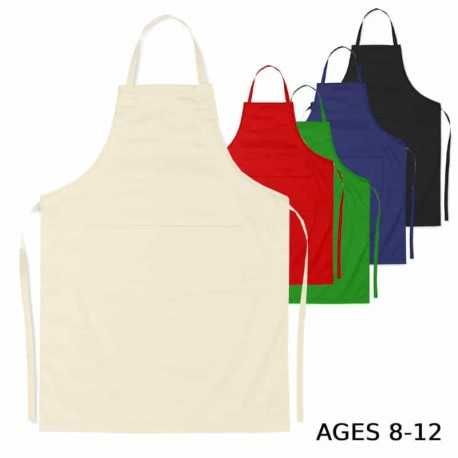
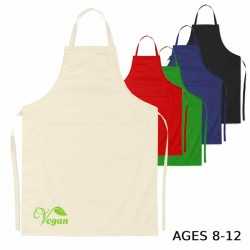
The Junior Cotton Apron range is designed for children, with sizes covering ages 4 to 7 and 8 to 12. Made from cotton construction, the junior apron handles paint, flour and general mess without wearing out quickly. Schools use them for cooking classes, art programs and science days. Community groups also use them at food festivals, school fetes and family baking workshops. Screen print on the front panel gives a clean, durable logo that holds up through repeated home washing.
Can I order branded aprons in small quantities for a new cafe or pop-up venue
Yes, many apron styles are available in smaller quantities suitable for new cafes, pop-up venues and market stalls. Stock apron orders generally have lower minimum quantities than fully custom garments. If you are setting up a new venue and need aprons for a small team, our team can recommend the most cost-effective style and branding method for your quantity. Providing your brief early allows us to confirm lead times and ensure your aprons arrive before your opening date.
How long does production take for a branded apron order
Most stock apron orders are ready within about 2 weeks from artwork sign-off, depending on the style, quantity and decoration method chosen. Embroidery can add a small amount of time to the production schedule compared to screen print, particularly on larger runs where each garment is decorated individually. If you have a firm deadline, let the team know upfront so they can confirm the right production path and advise whether express options are needed for your quantity and timing.