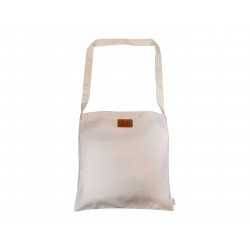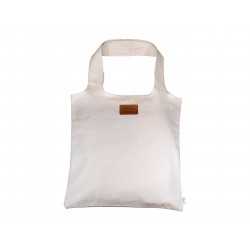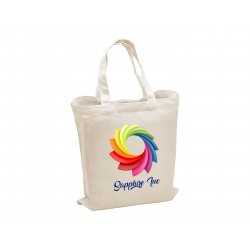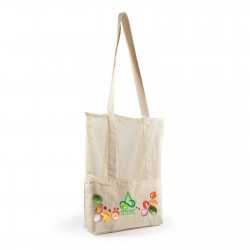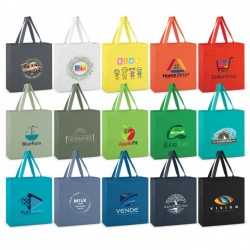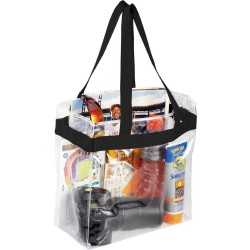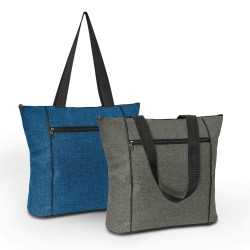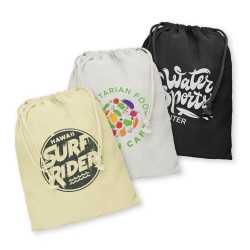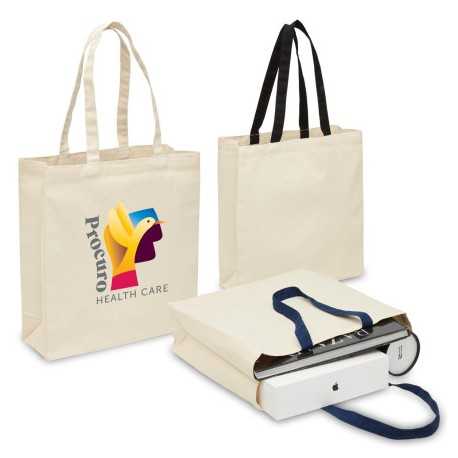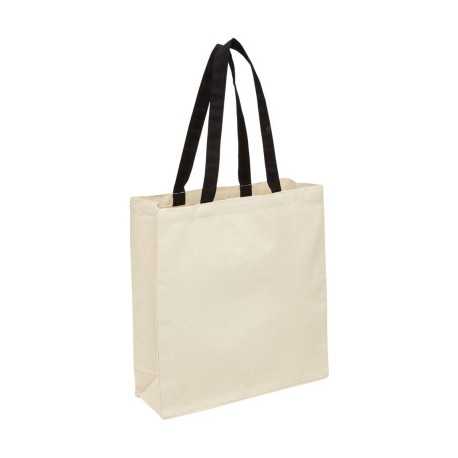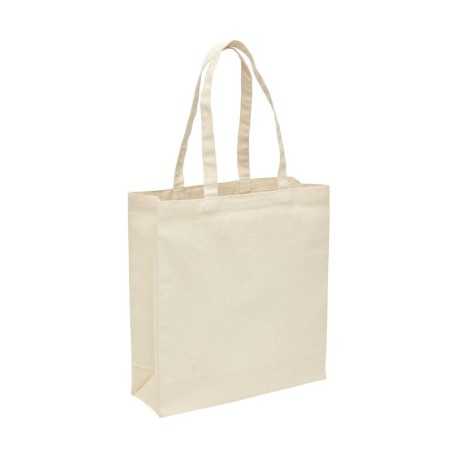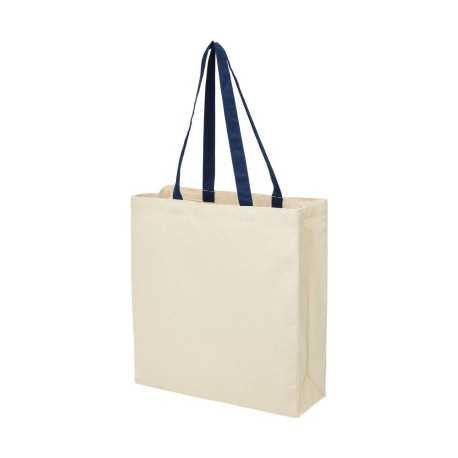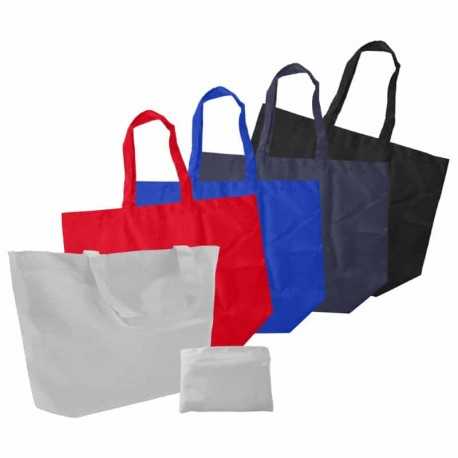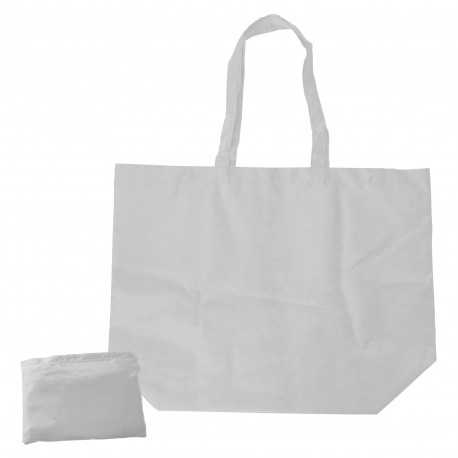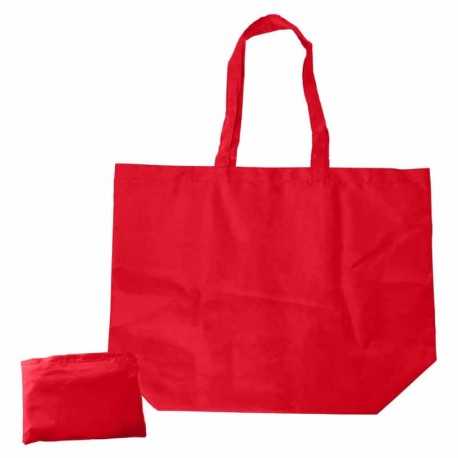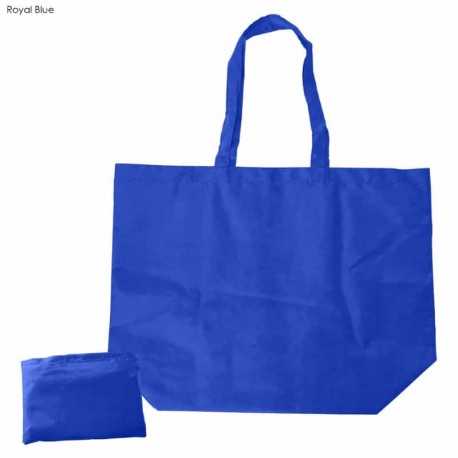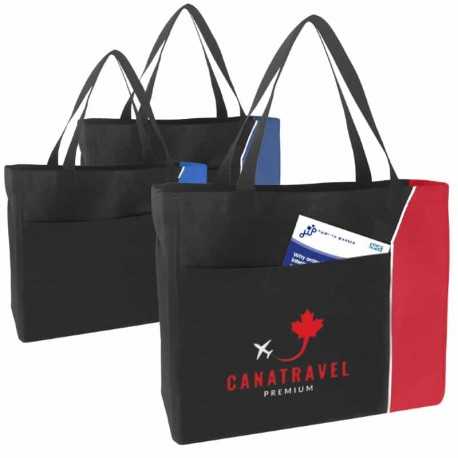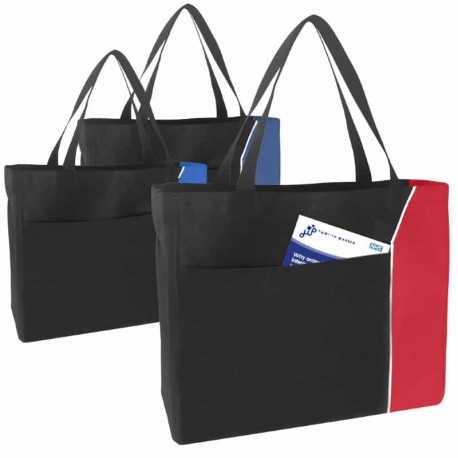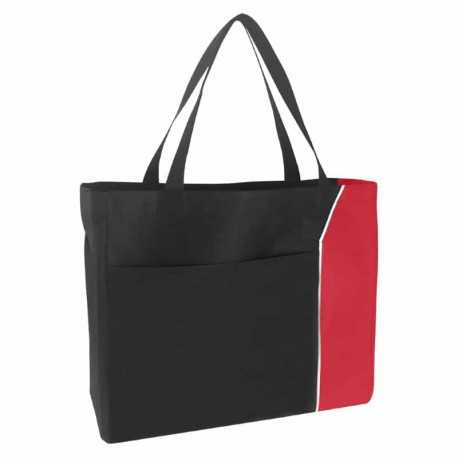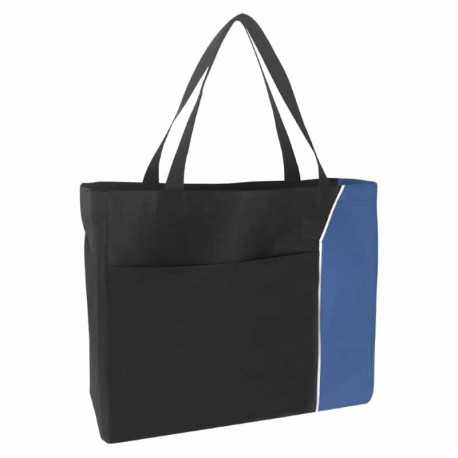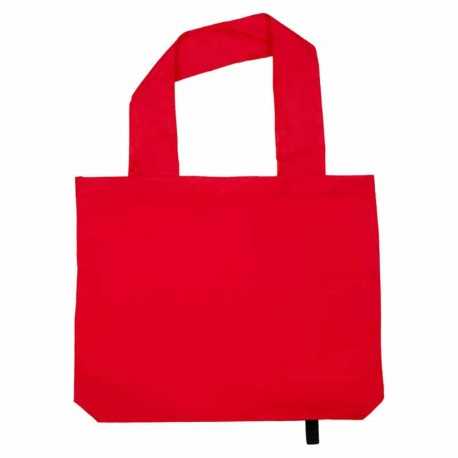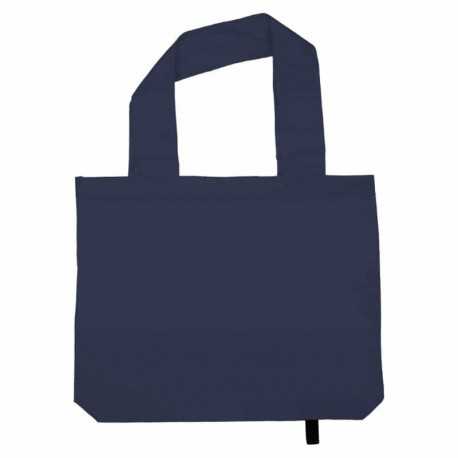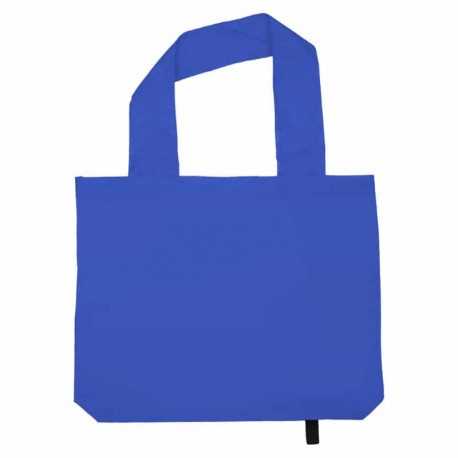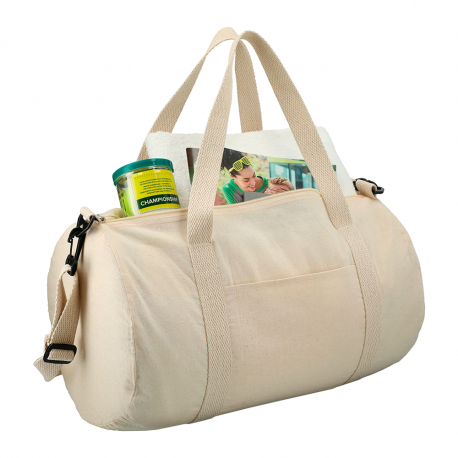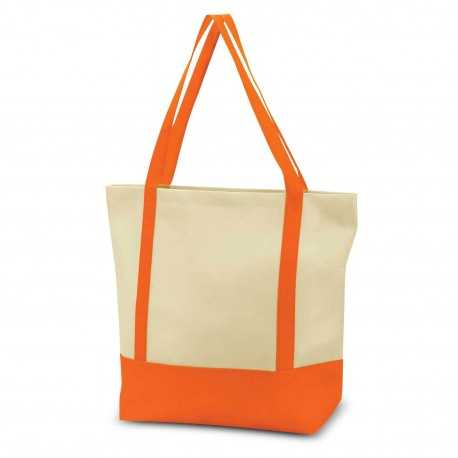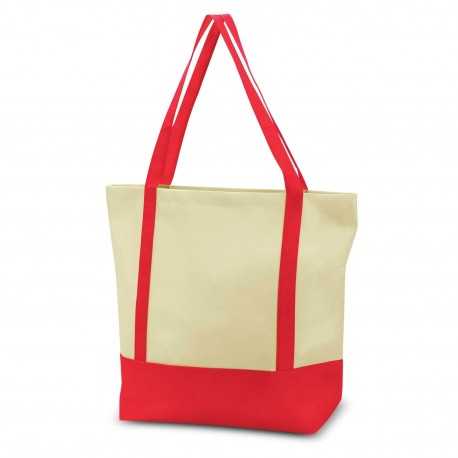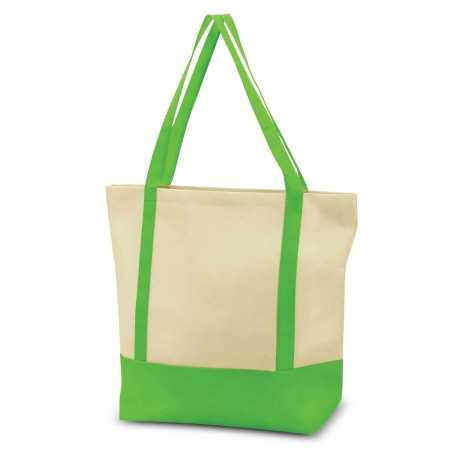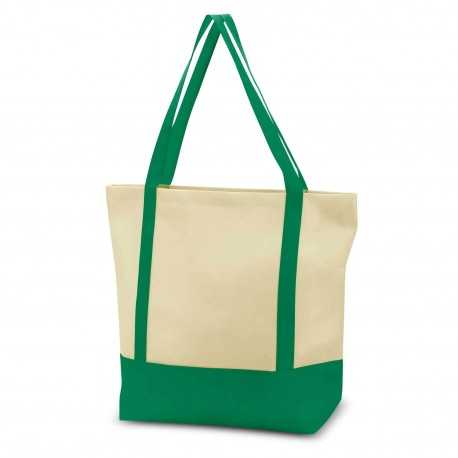
What is the difference between non-woven tote bags and cotton calico bags for promotional giveaways
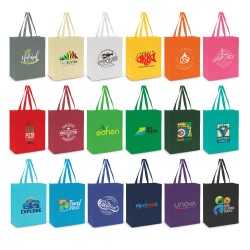
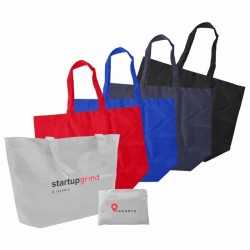
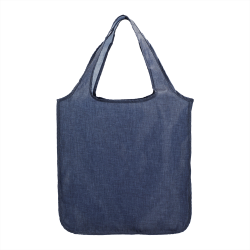
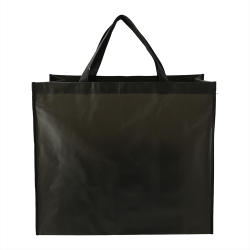
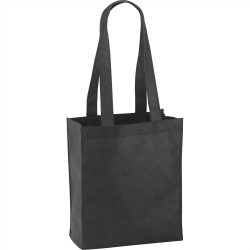
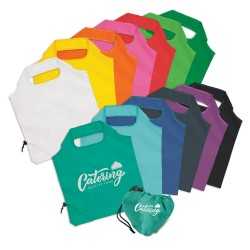
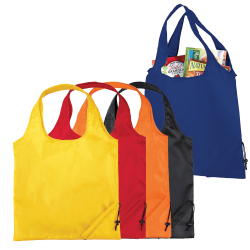
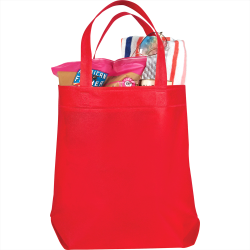
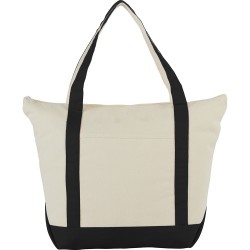
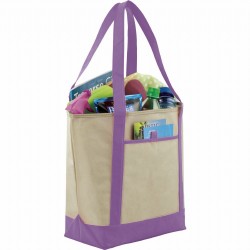
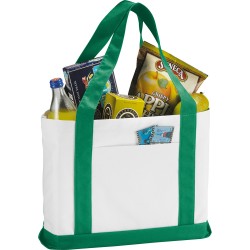
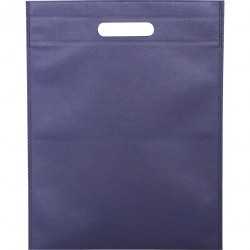
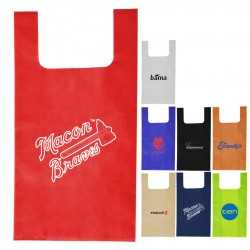
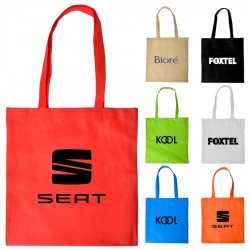
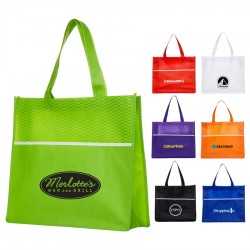
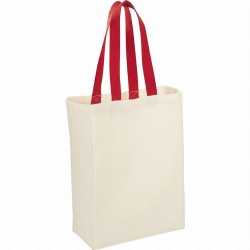
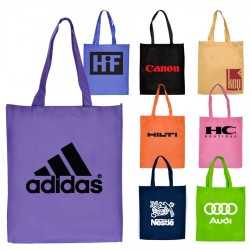
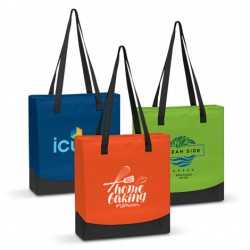
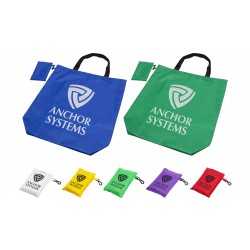
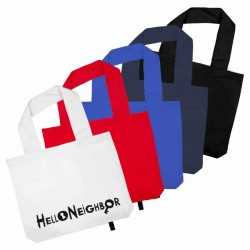
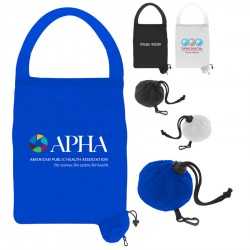
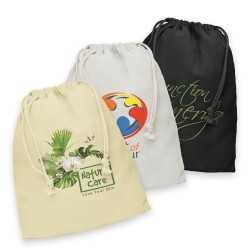
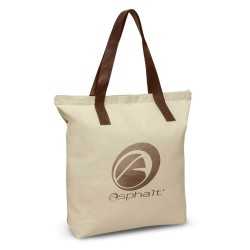
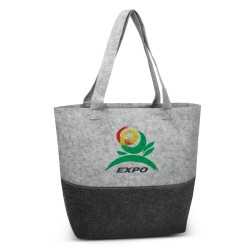
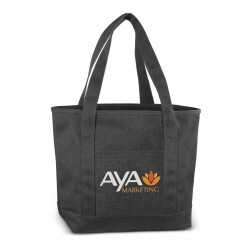
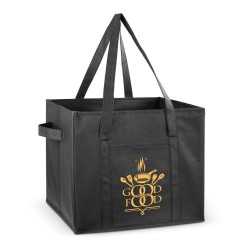
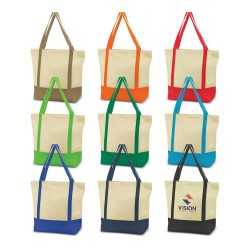
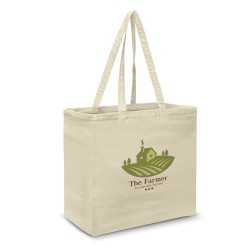
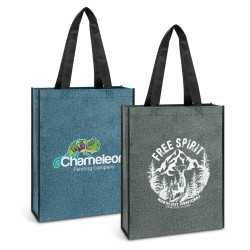
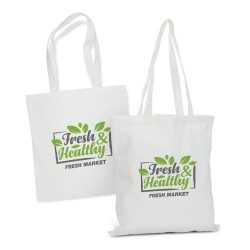
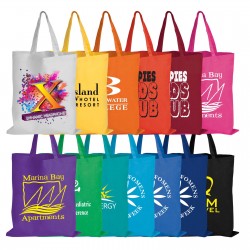
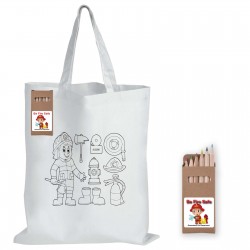
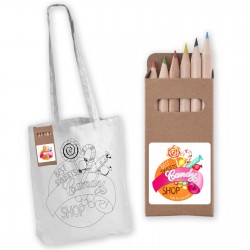
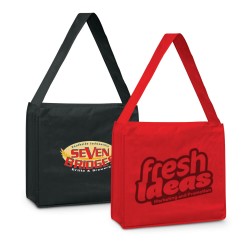
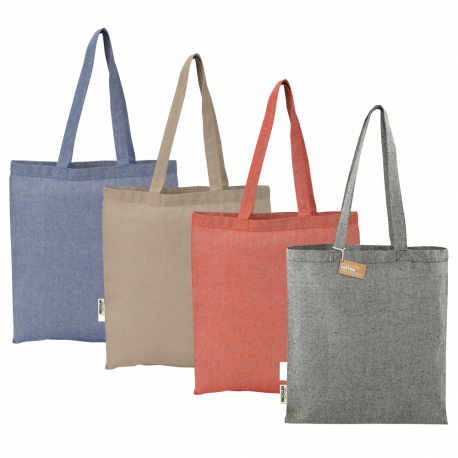
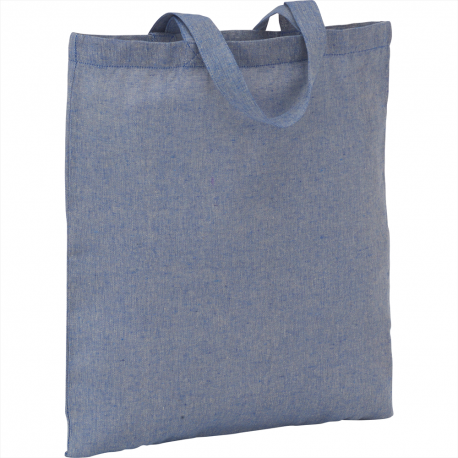
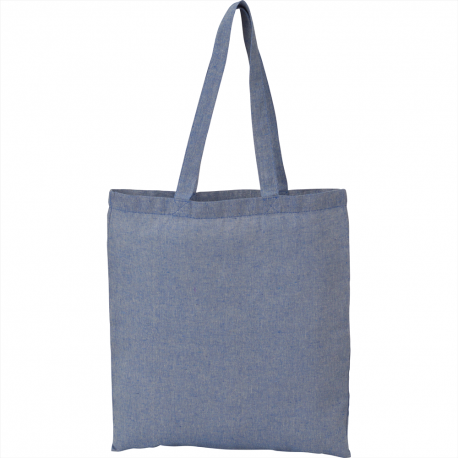
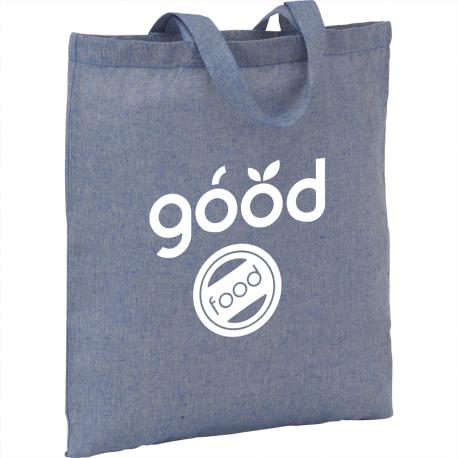
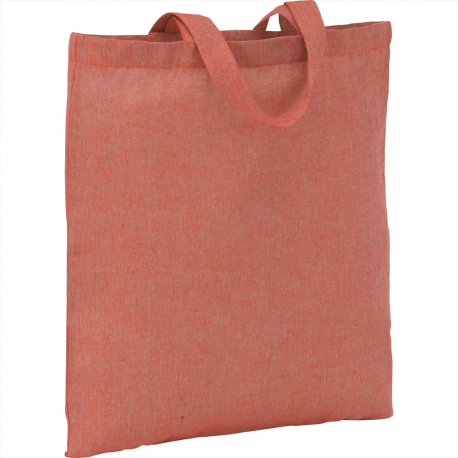
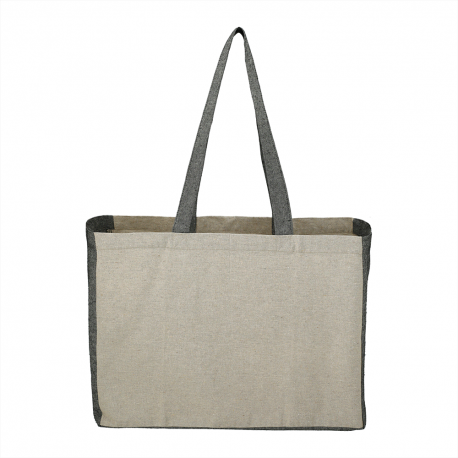
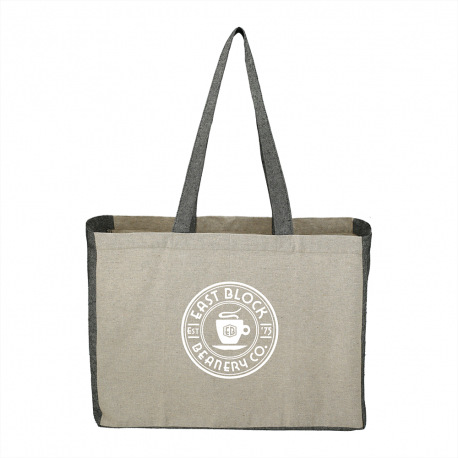
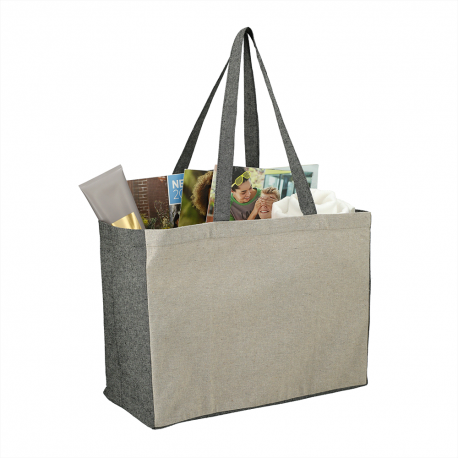
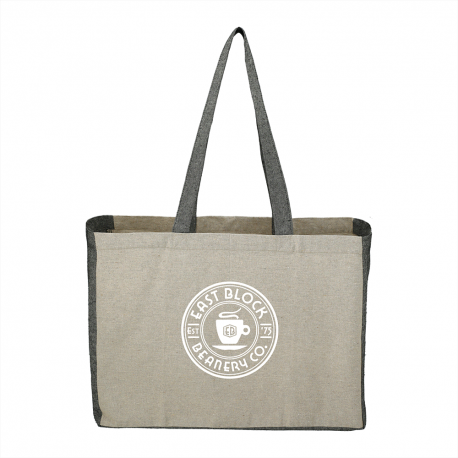
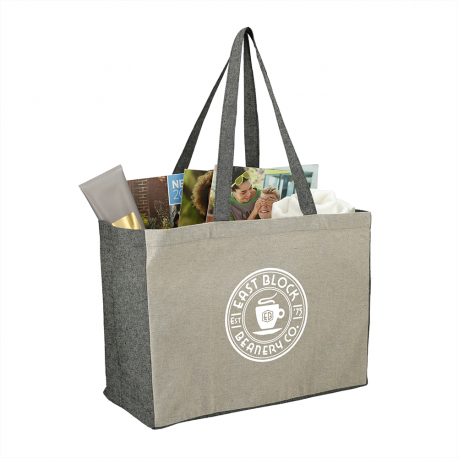
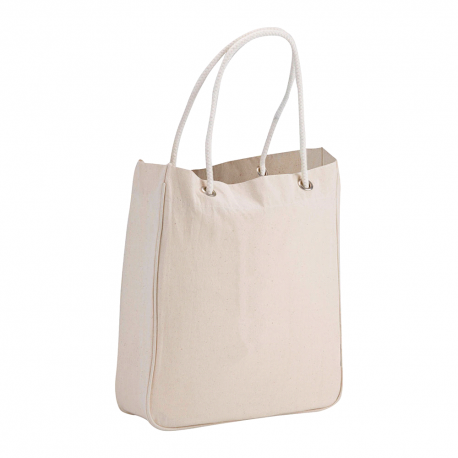
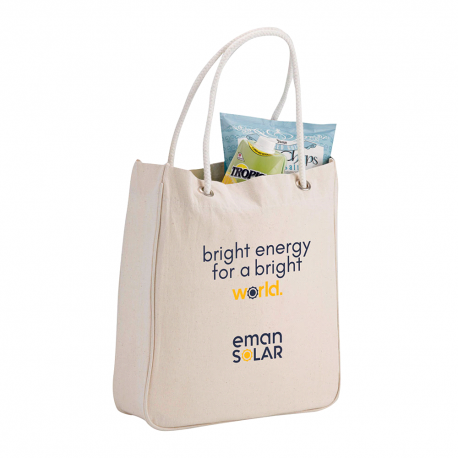
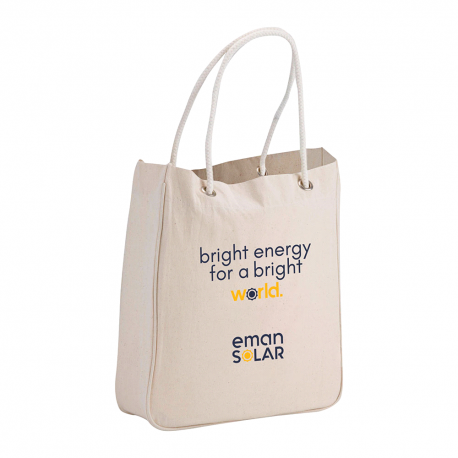
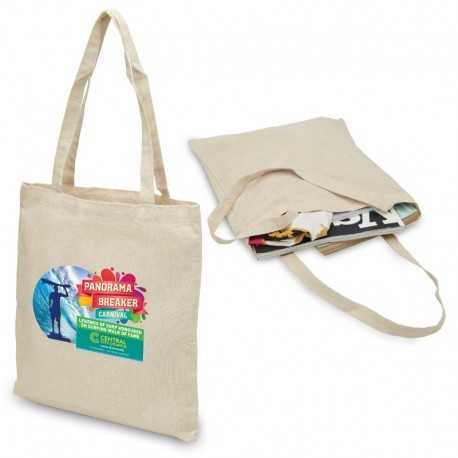
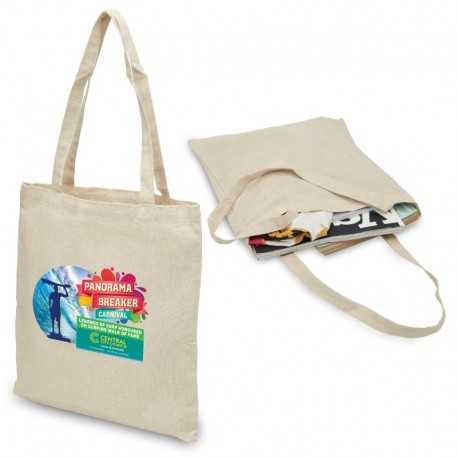
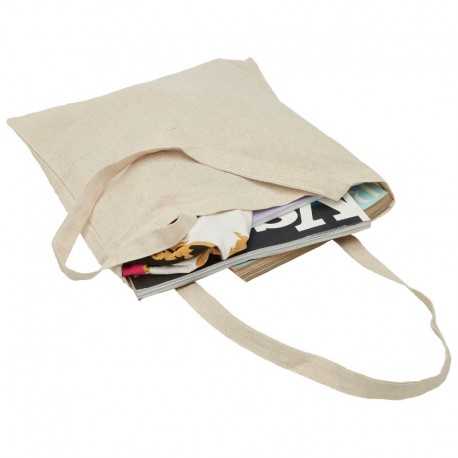
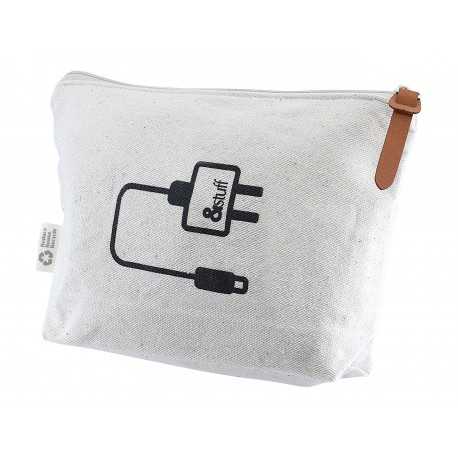
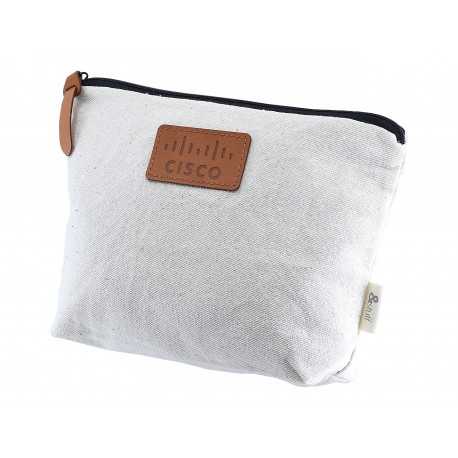
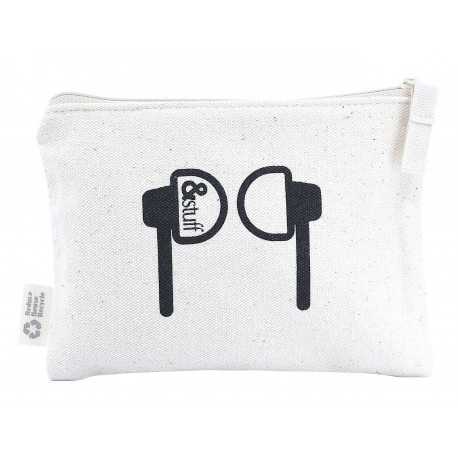
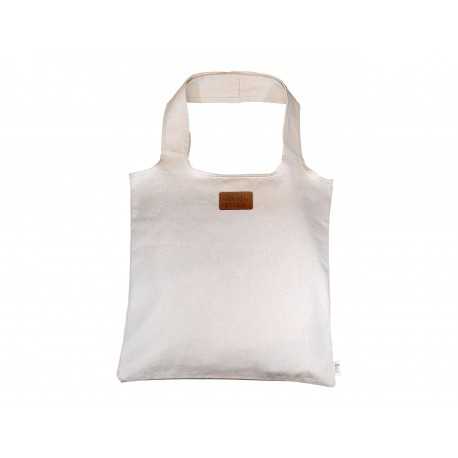
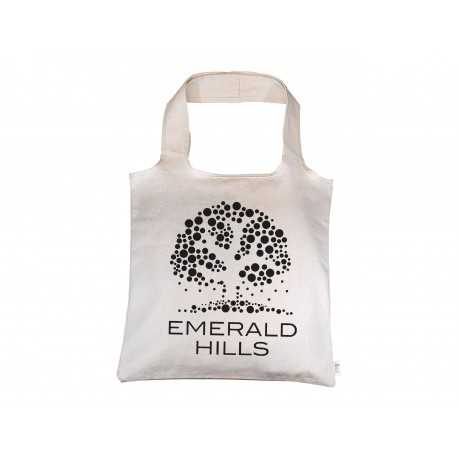
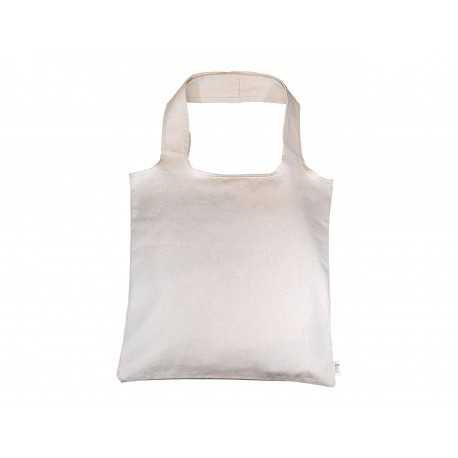
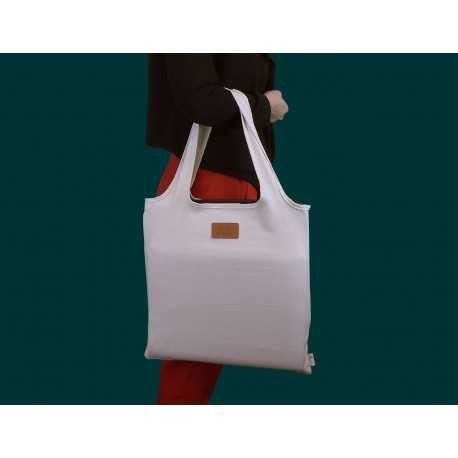
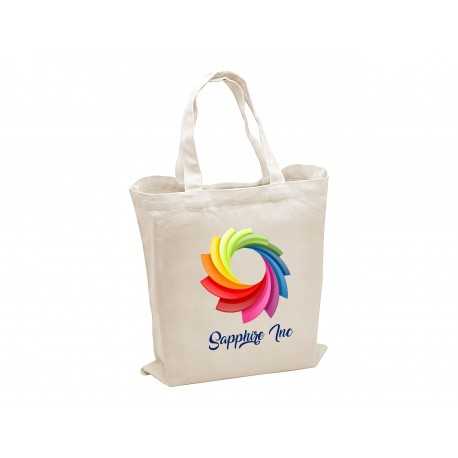
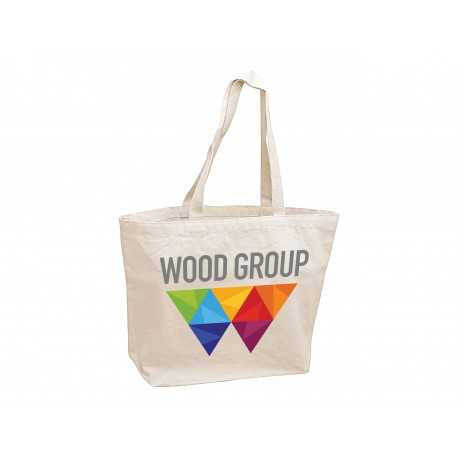
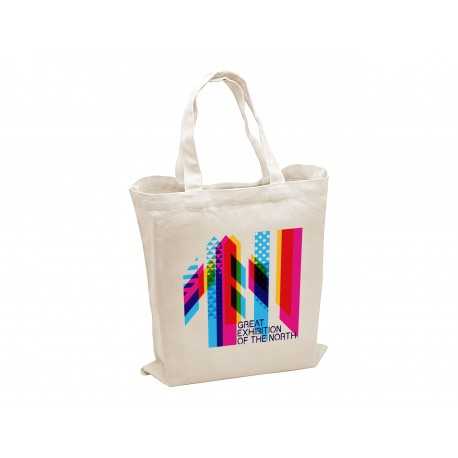
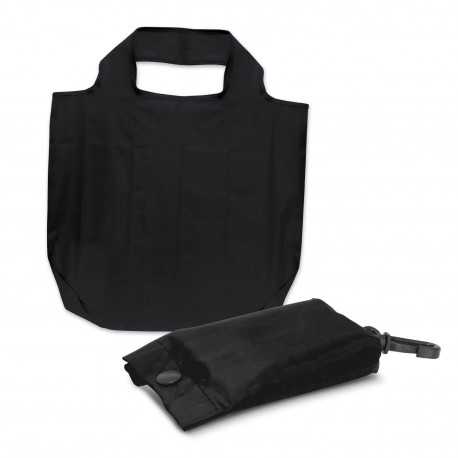
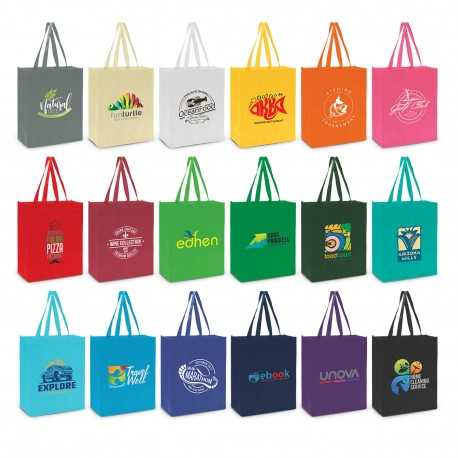
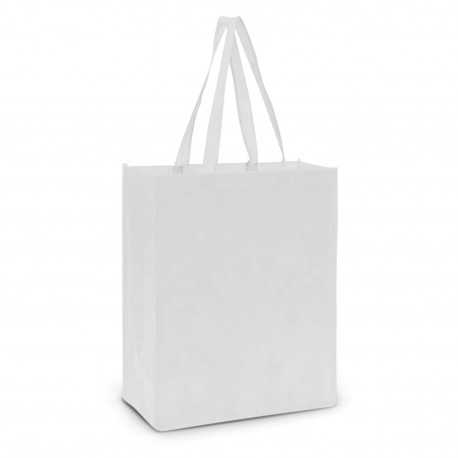
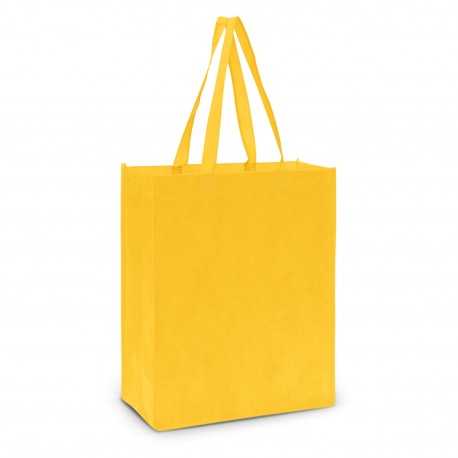
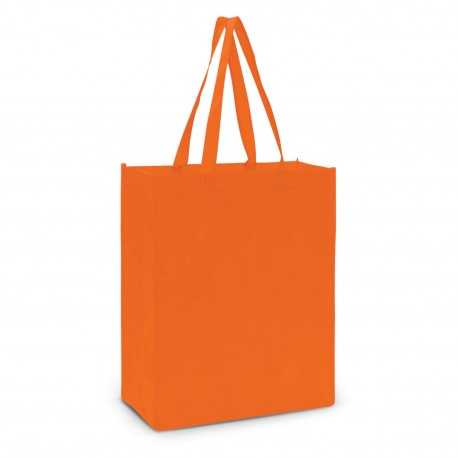
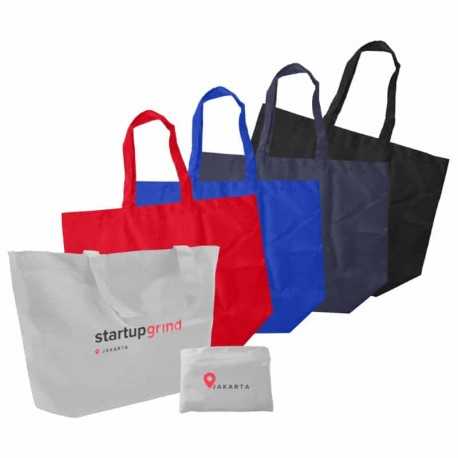
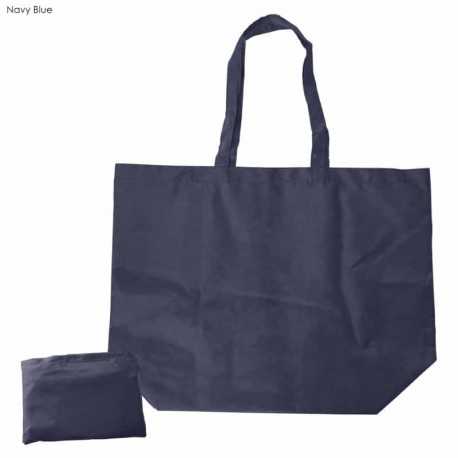
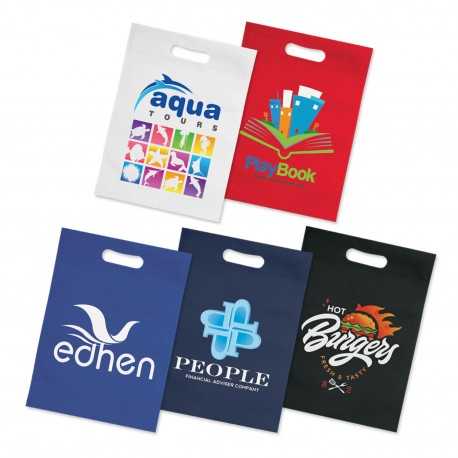
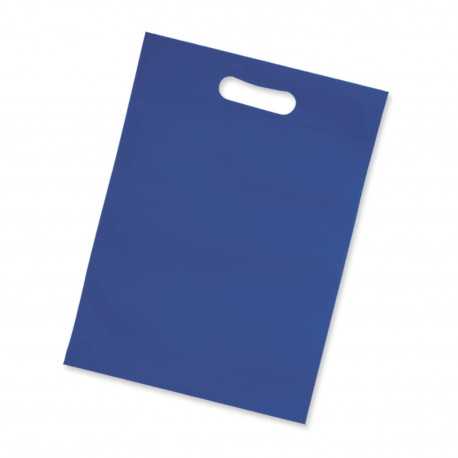
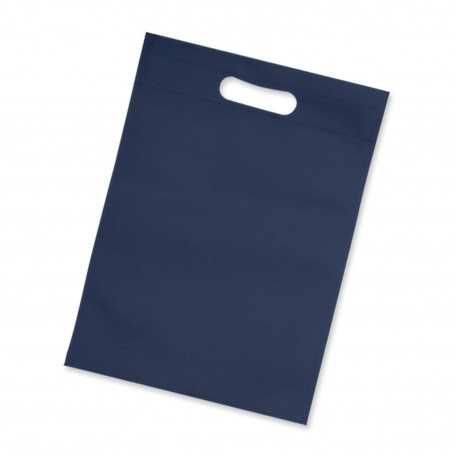
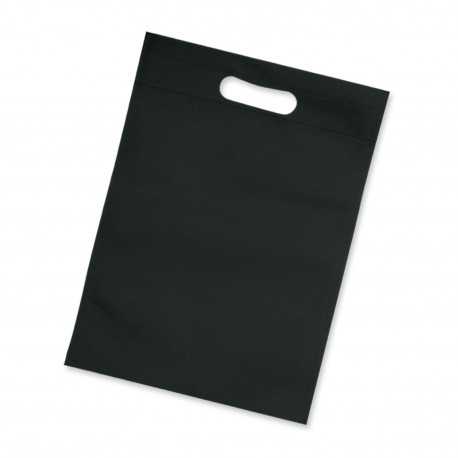
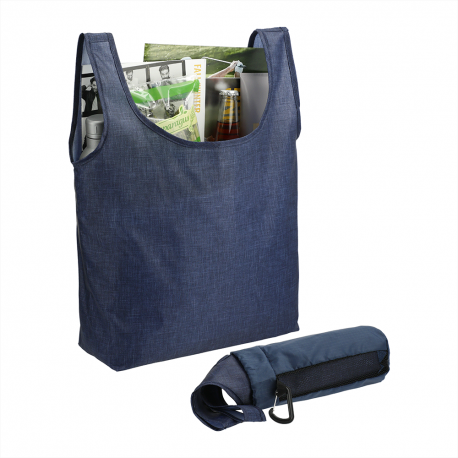
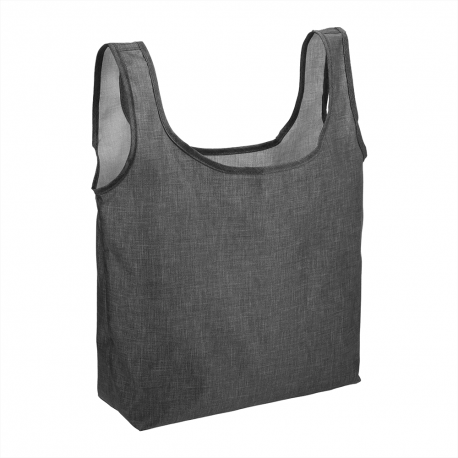
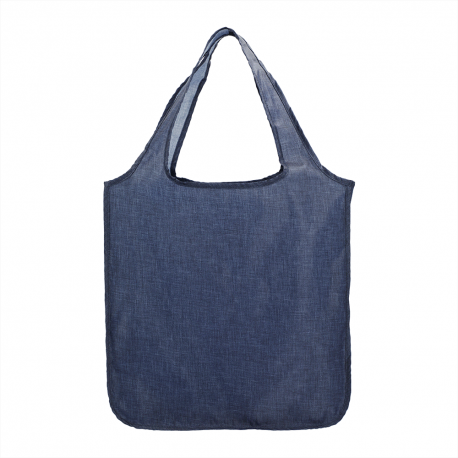
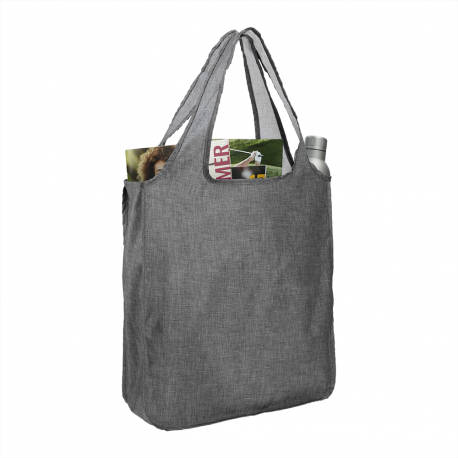
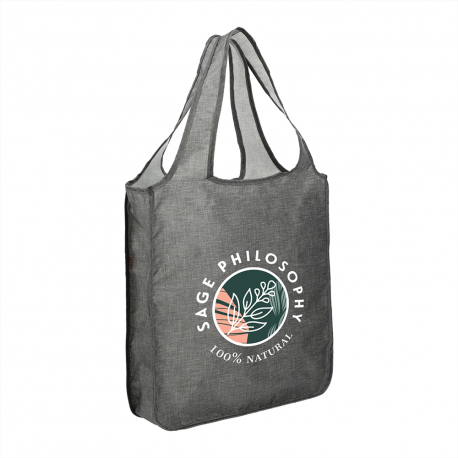
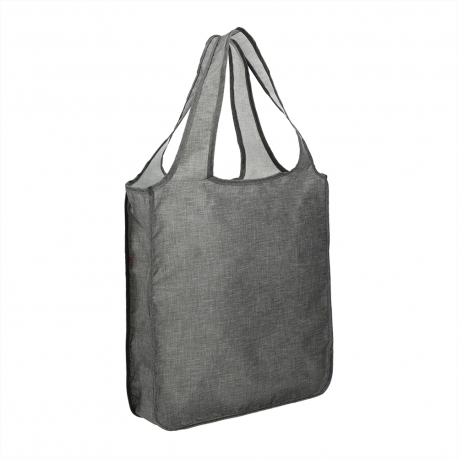
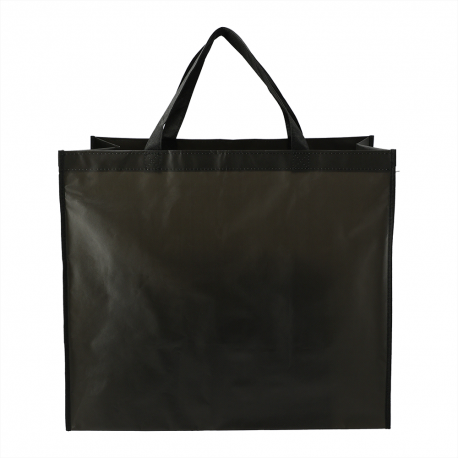
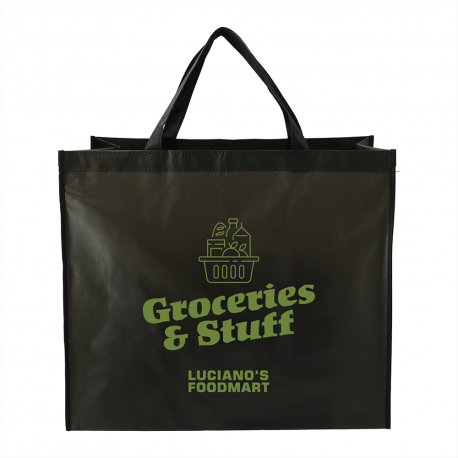
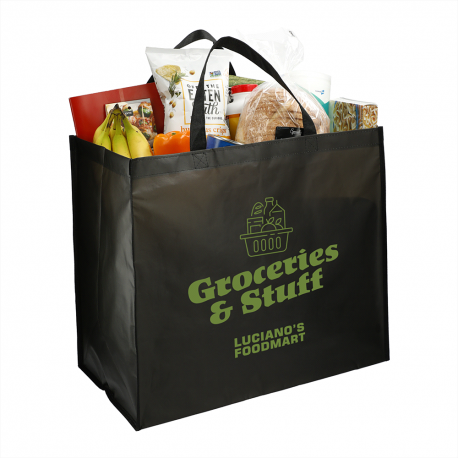
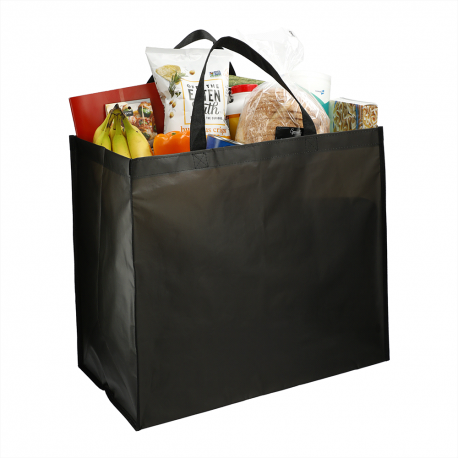
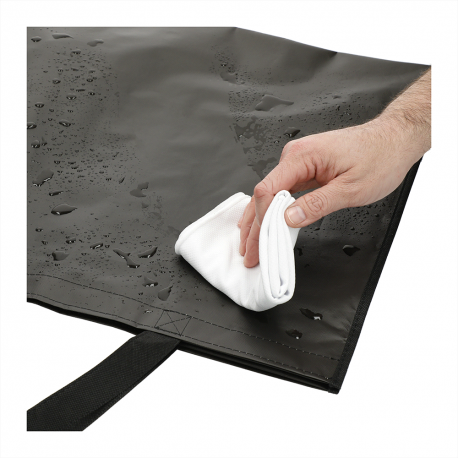
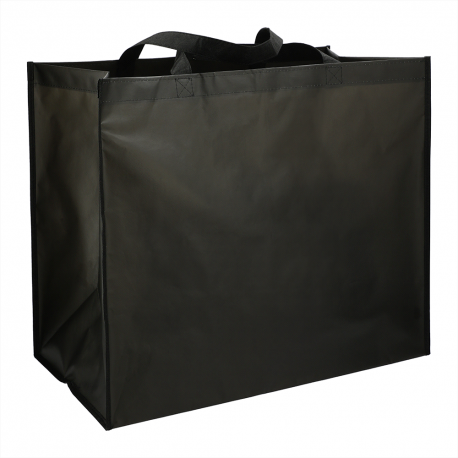
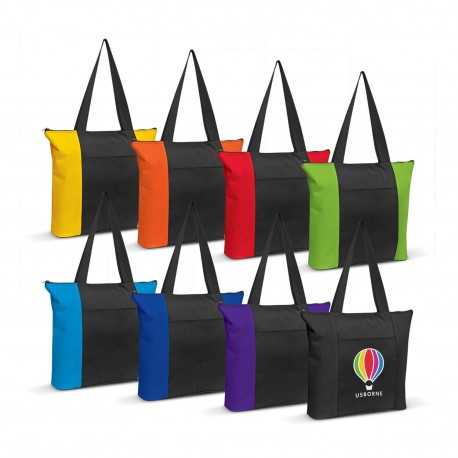
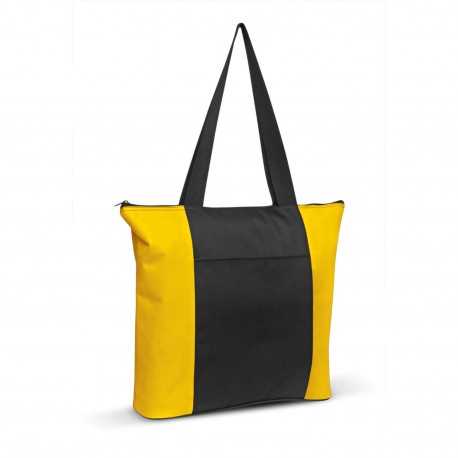
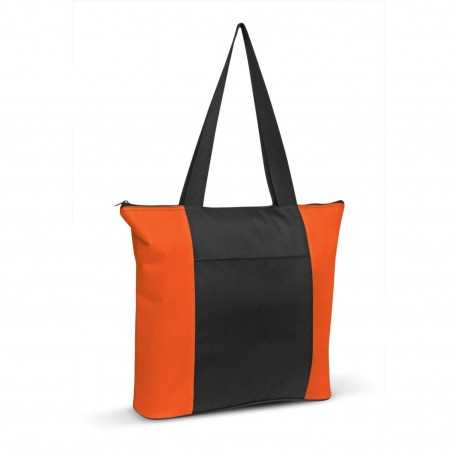
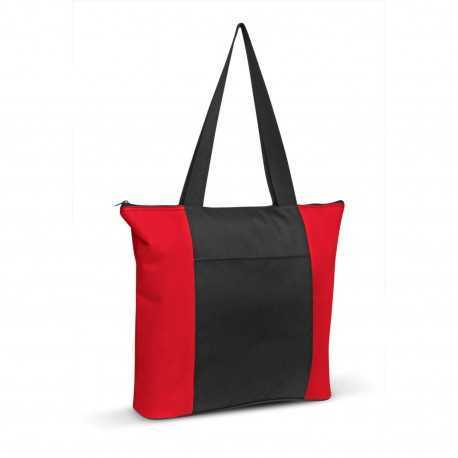
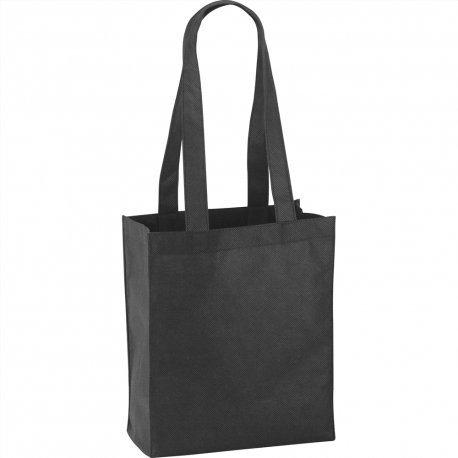
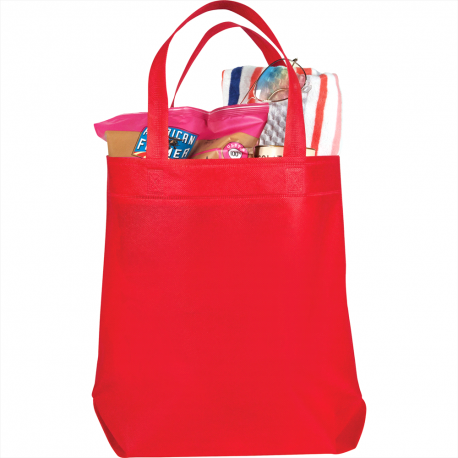
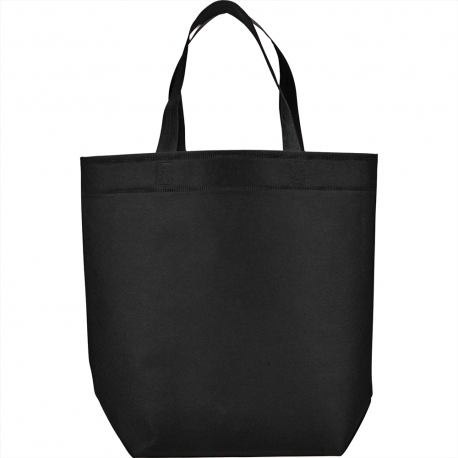
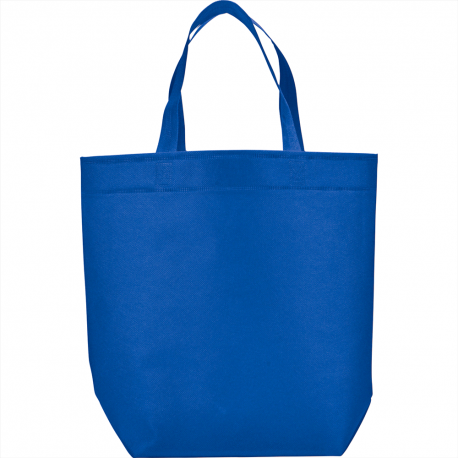
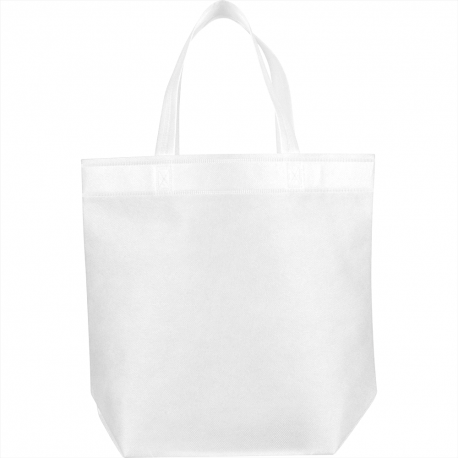
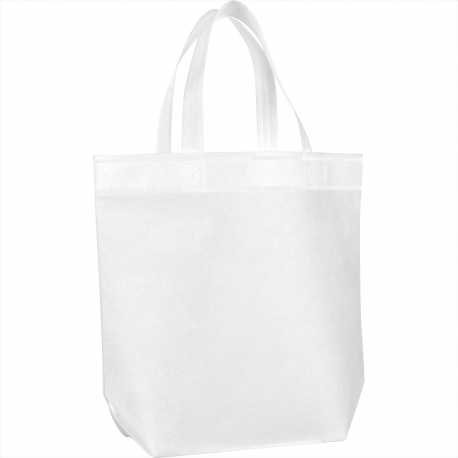
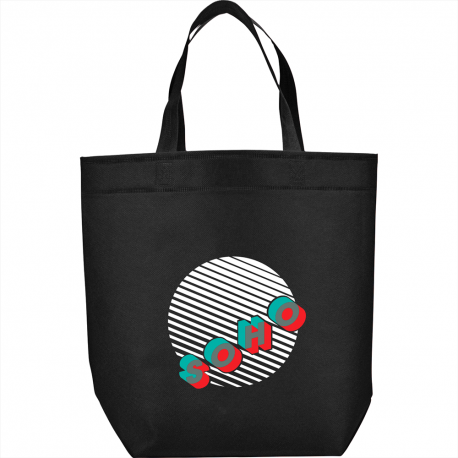
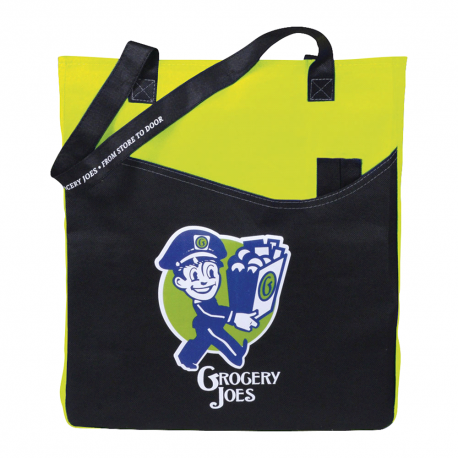
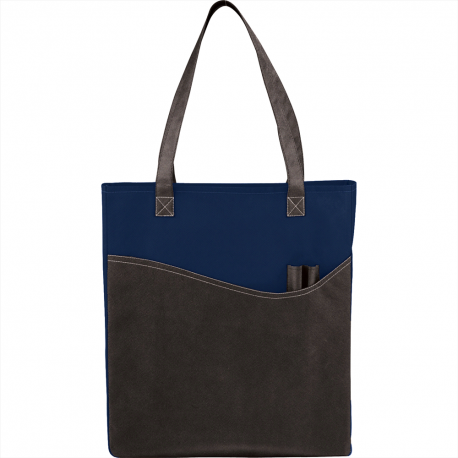
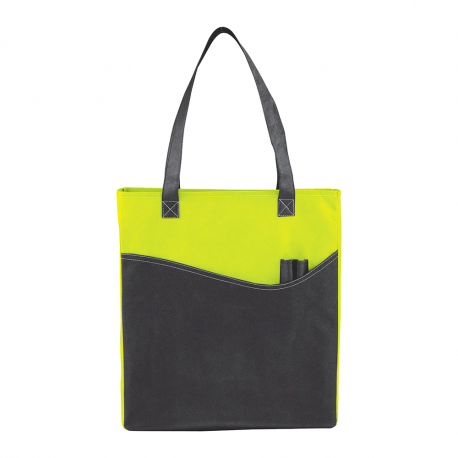
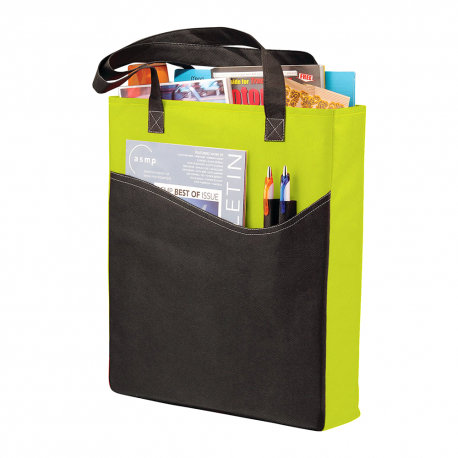
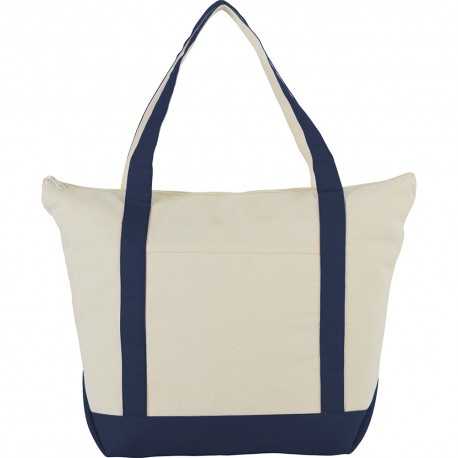
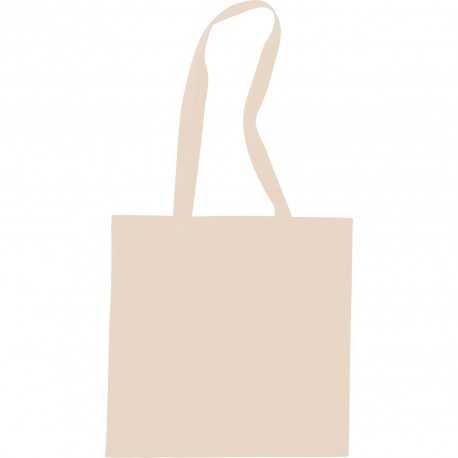
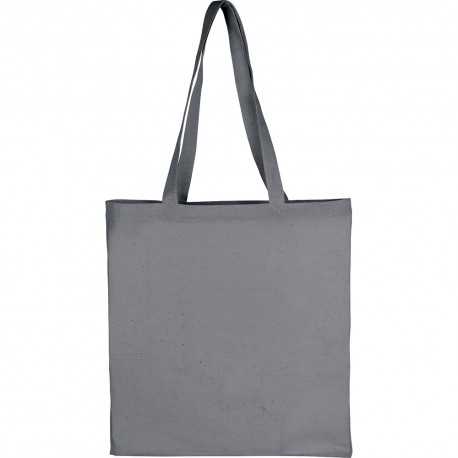
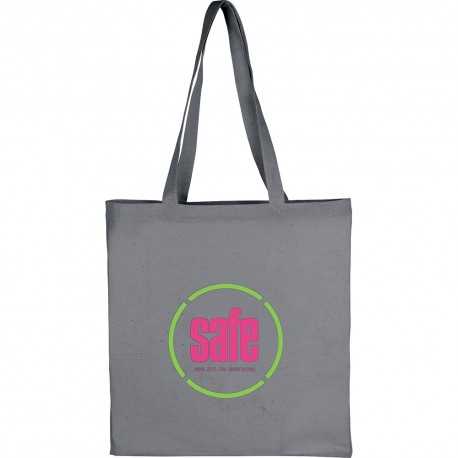
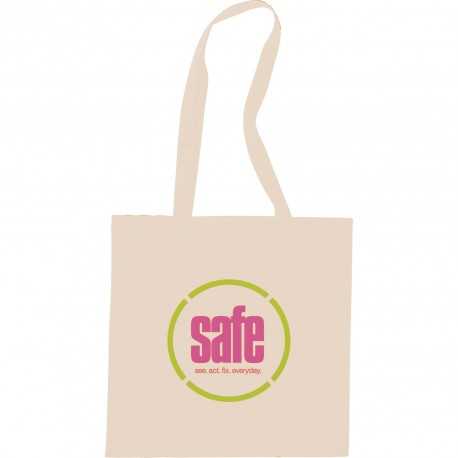
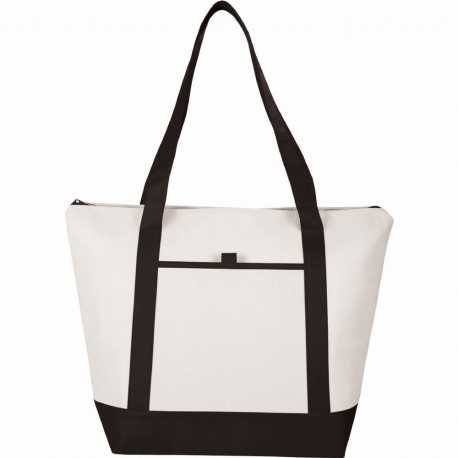
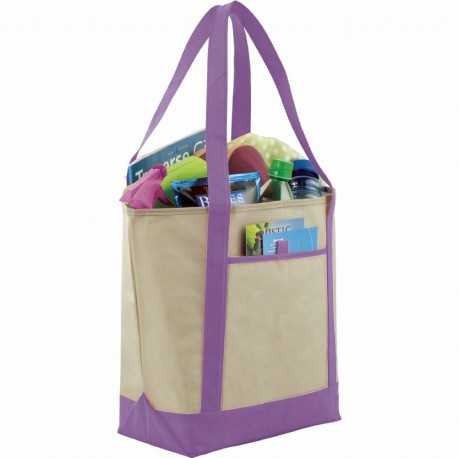
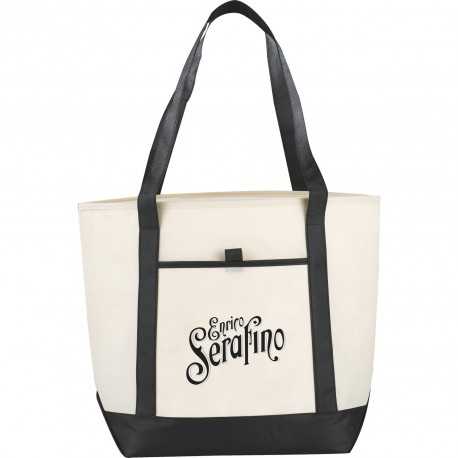
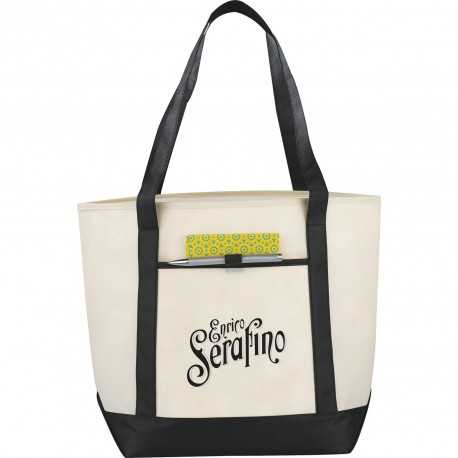
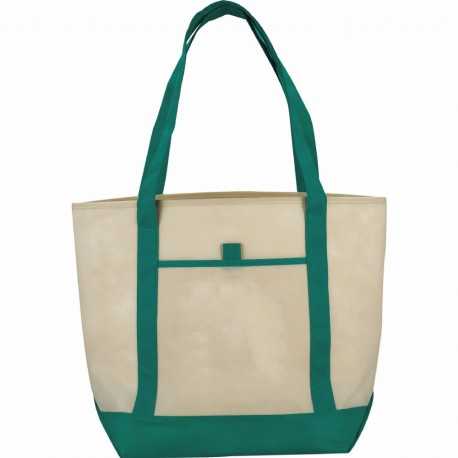
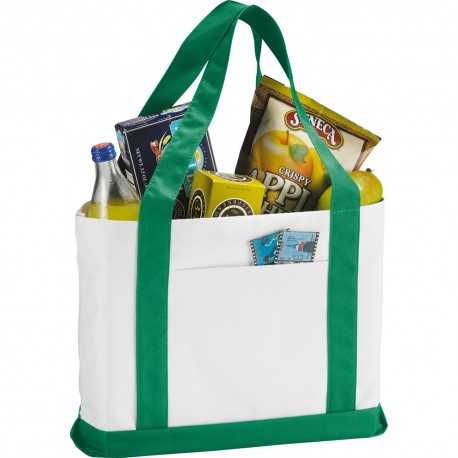
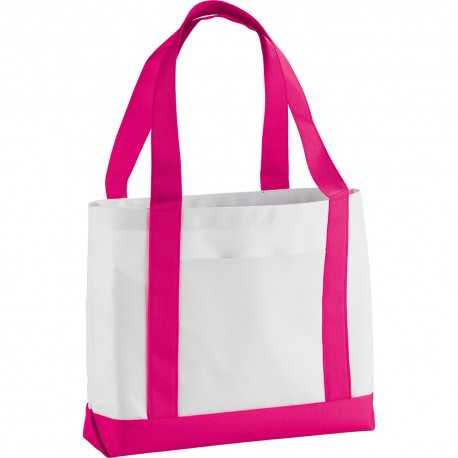
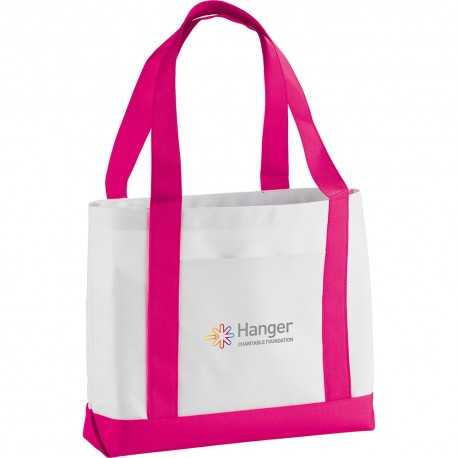
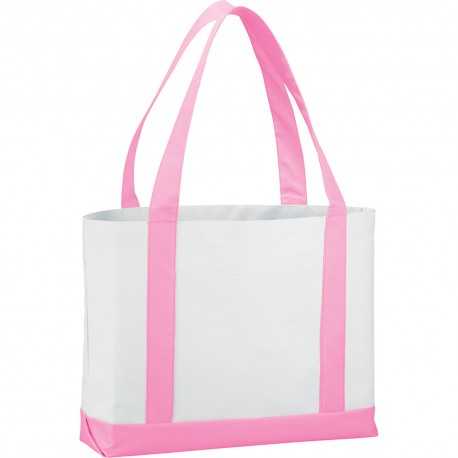
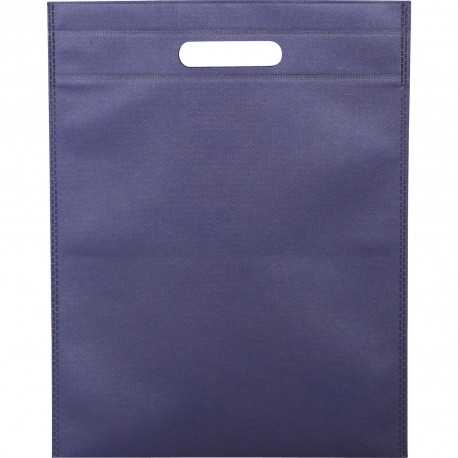
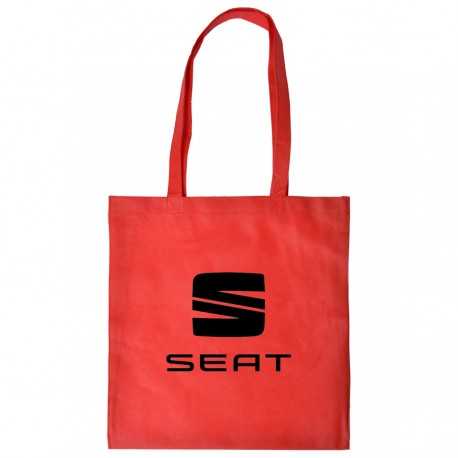
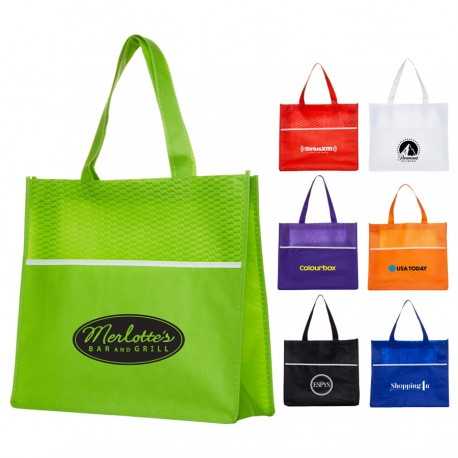
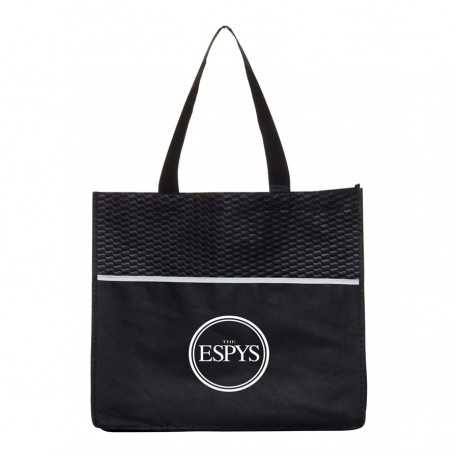
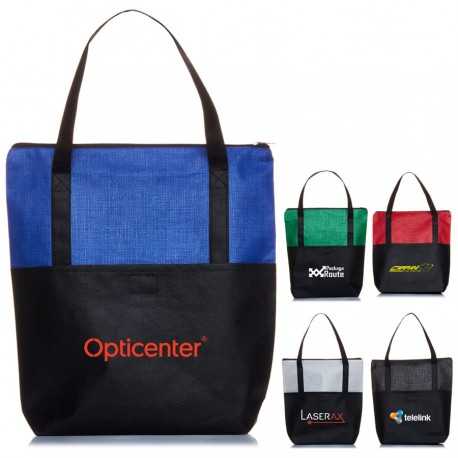
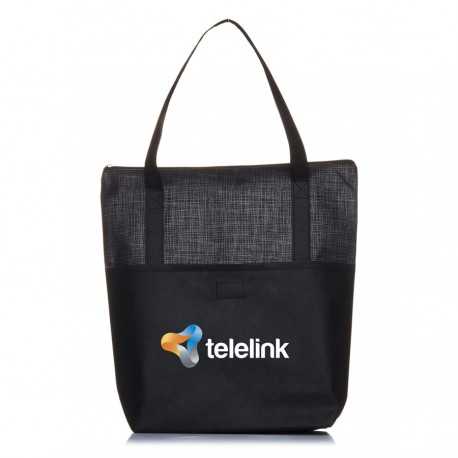
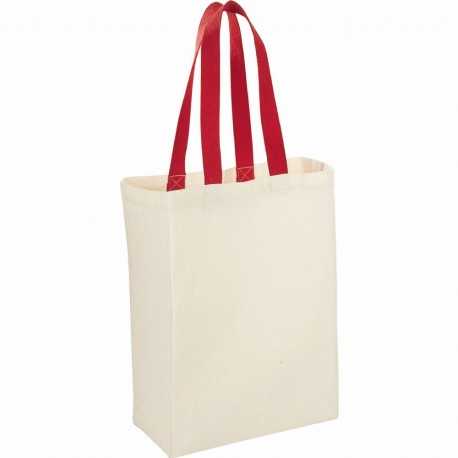
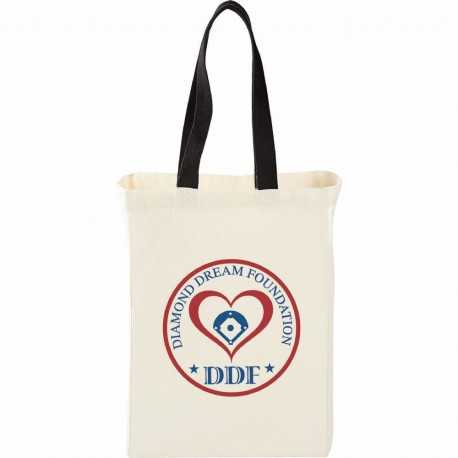
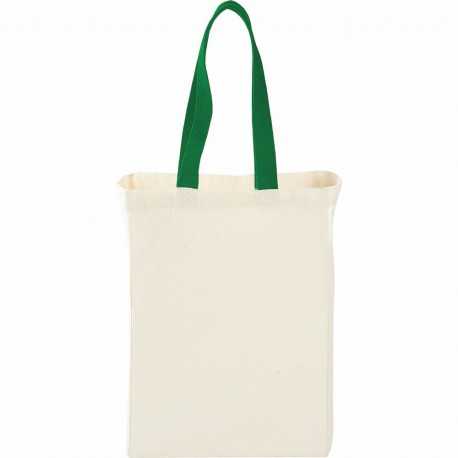
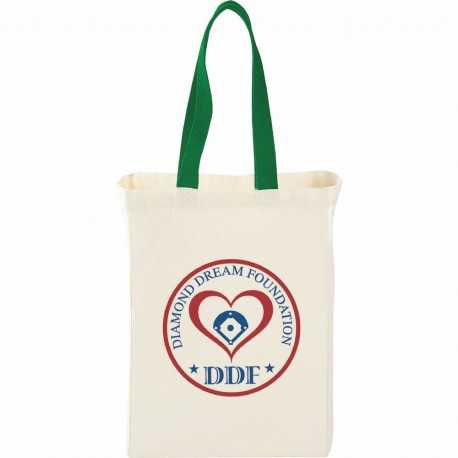
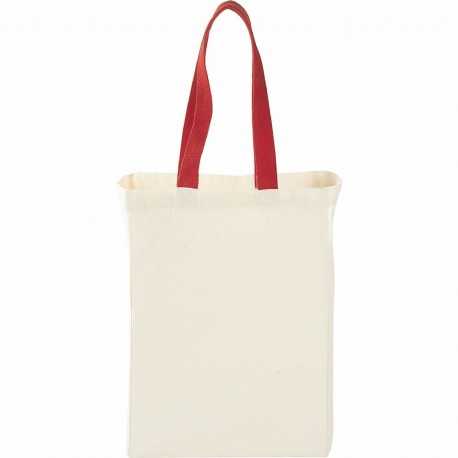
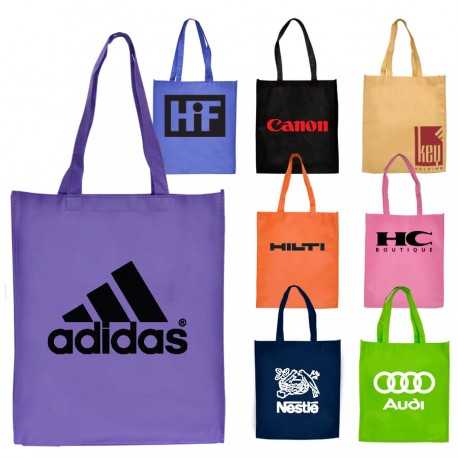
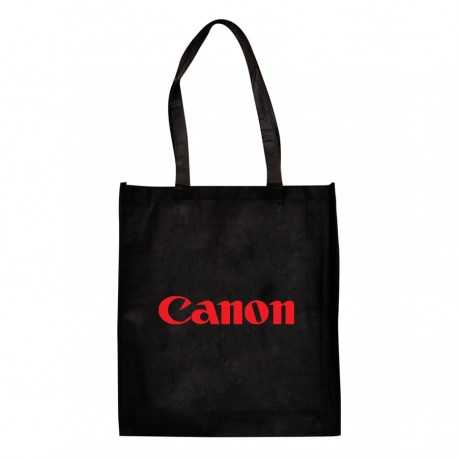
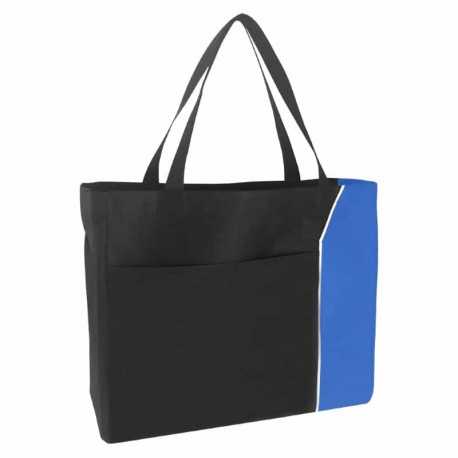
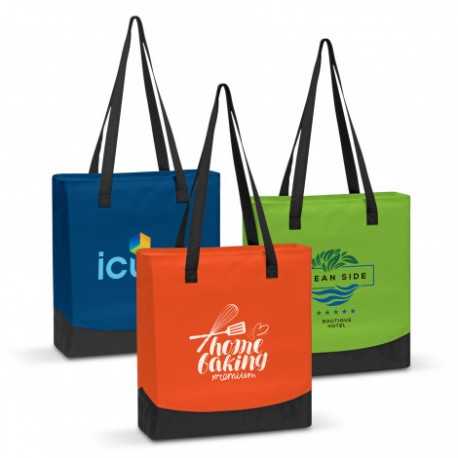
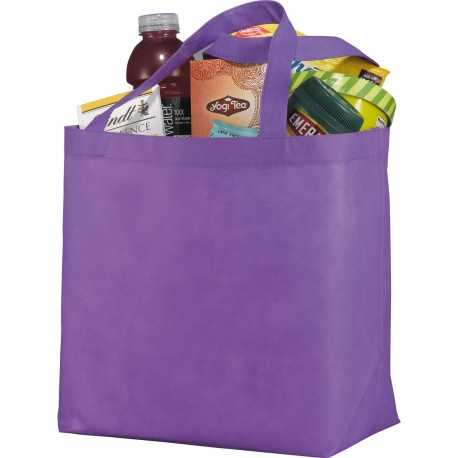
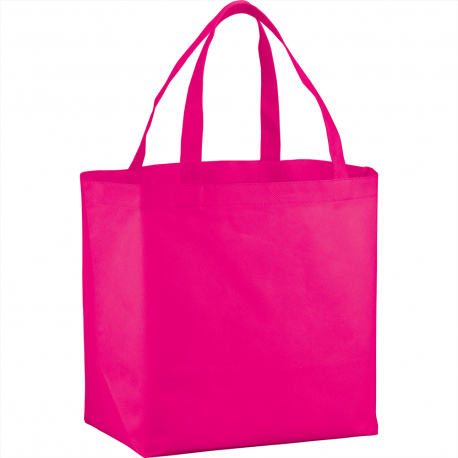
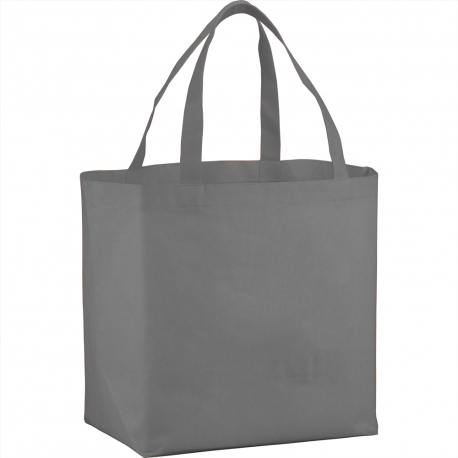
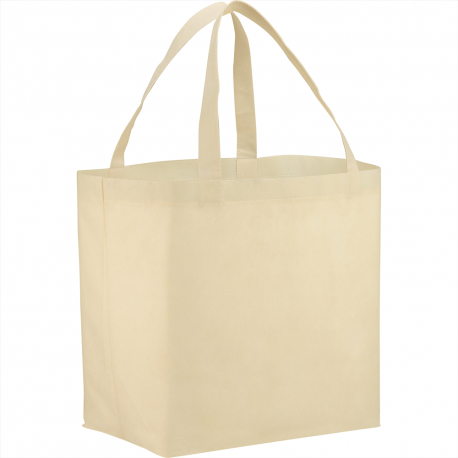
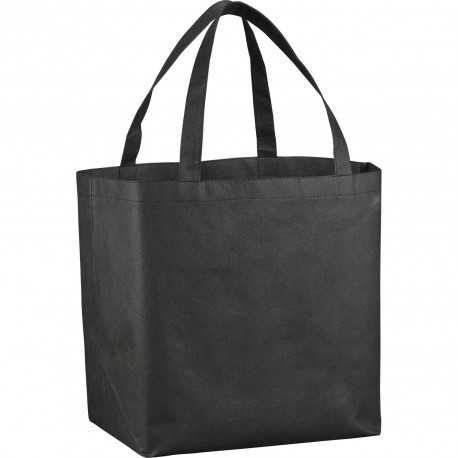
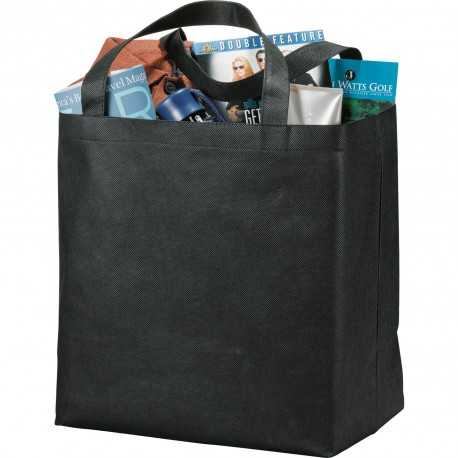
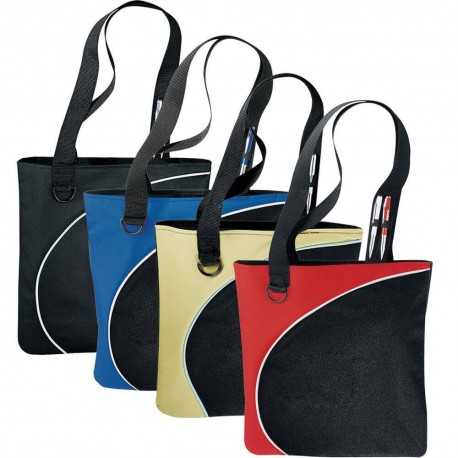
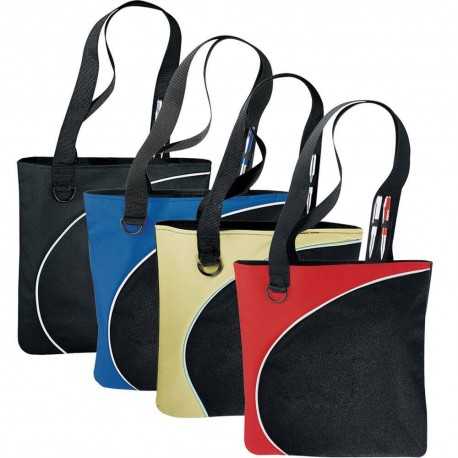
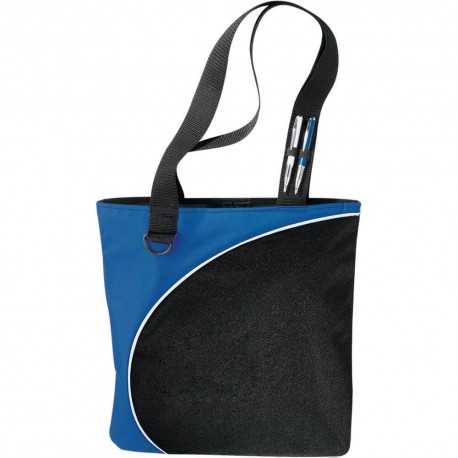
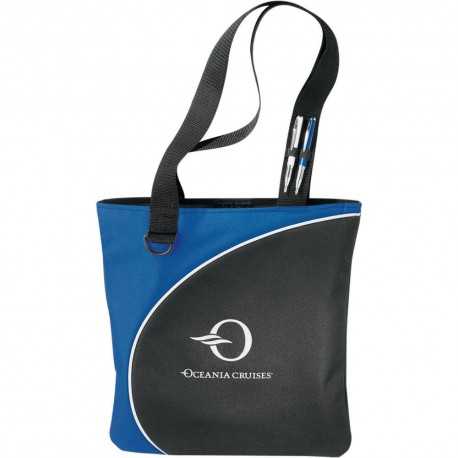
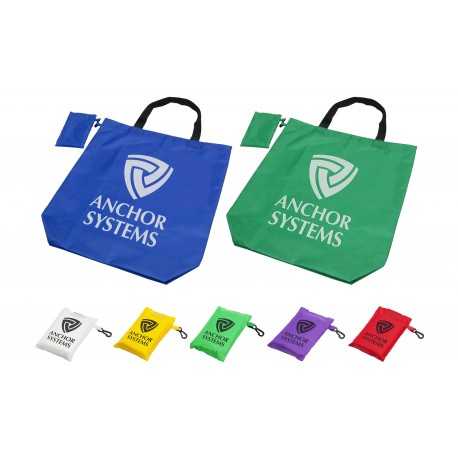
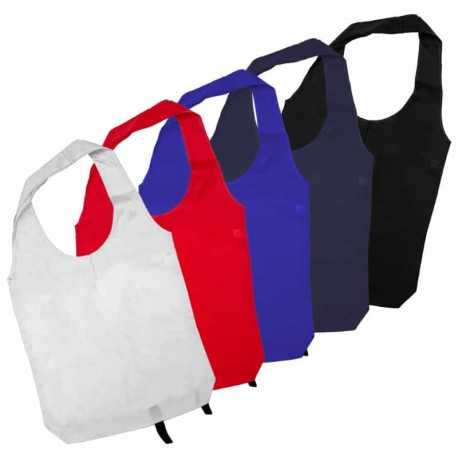
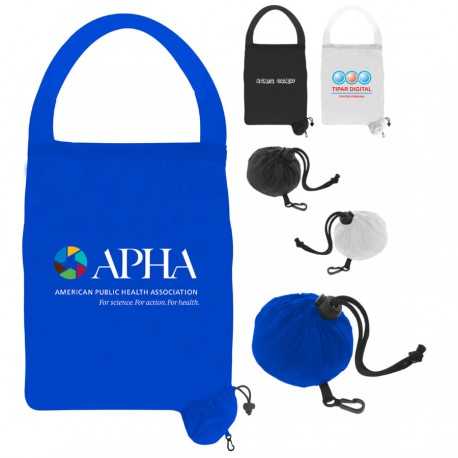
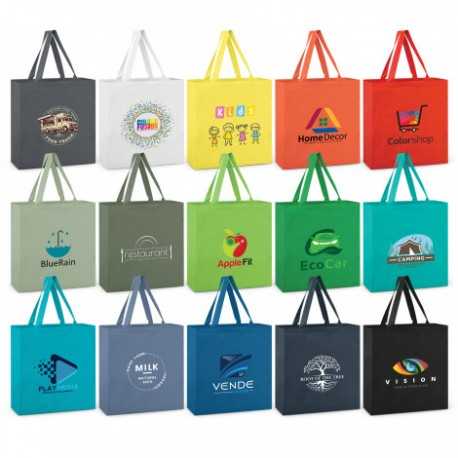
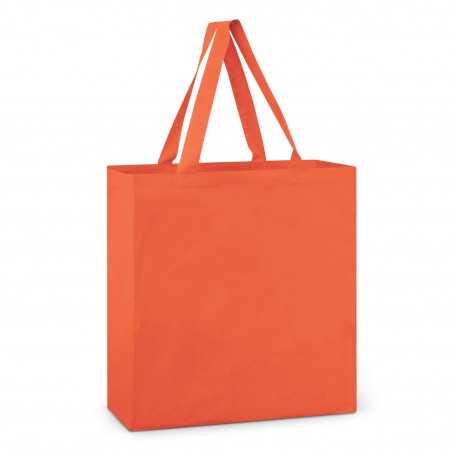
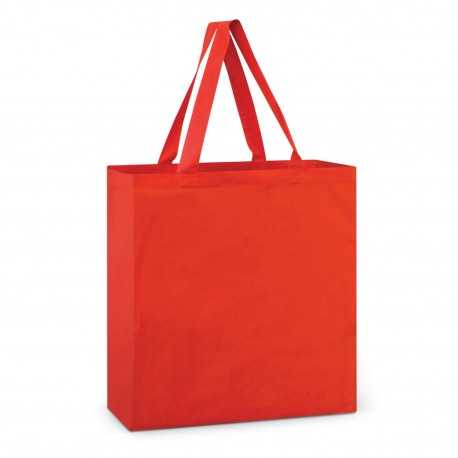
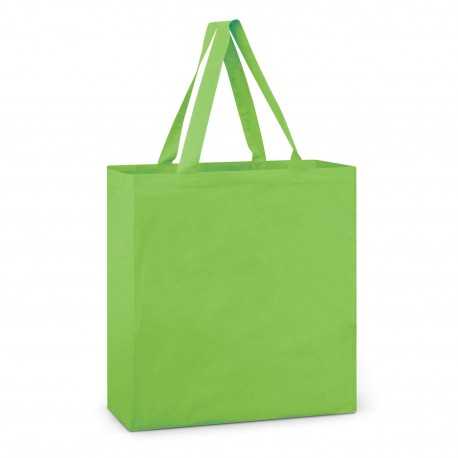
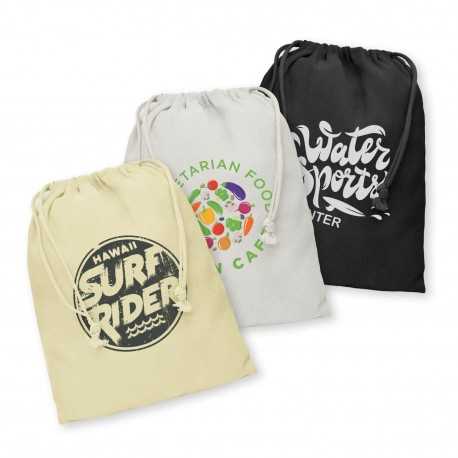
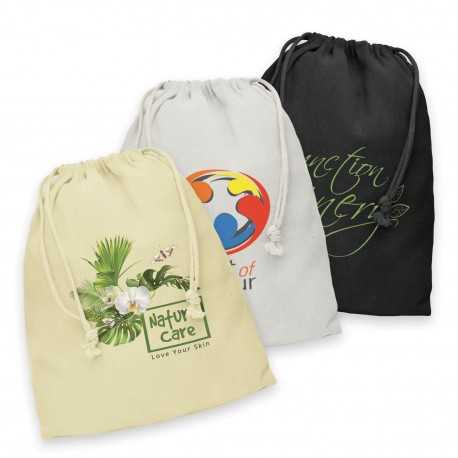
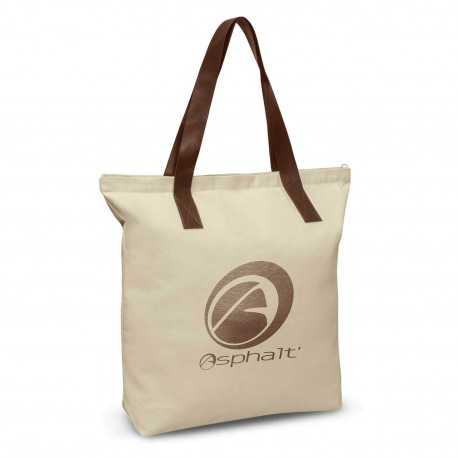
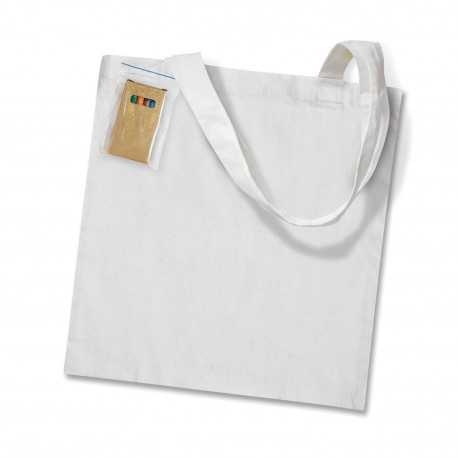
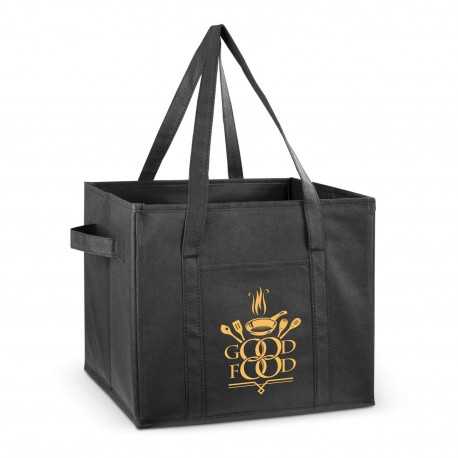
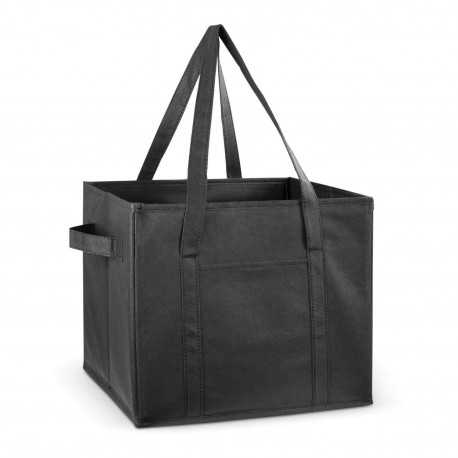
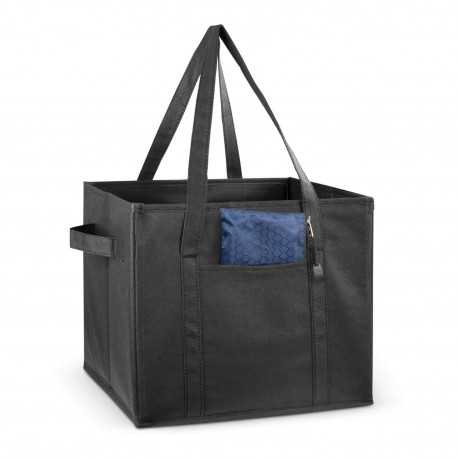
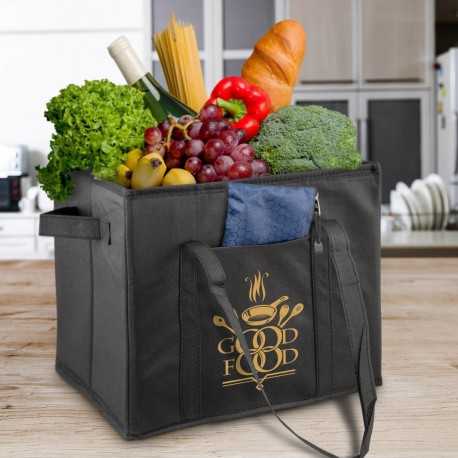
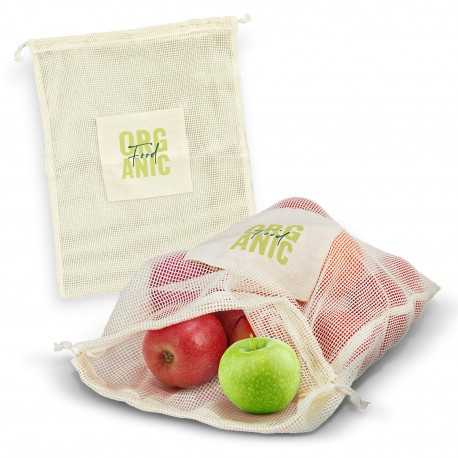
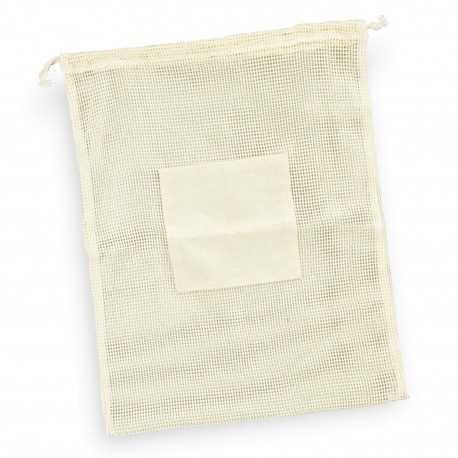
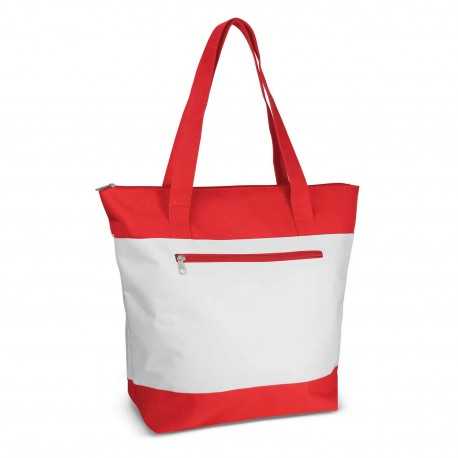
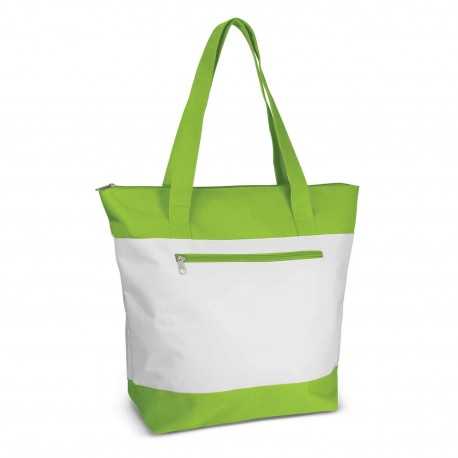
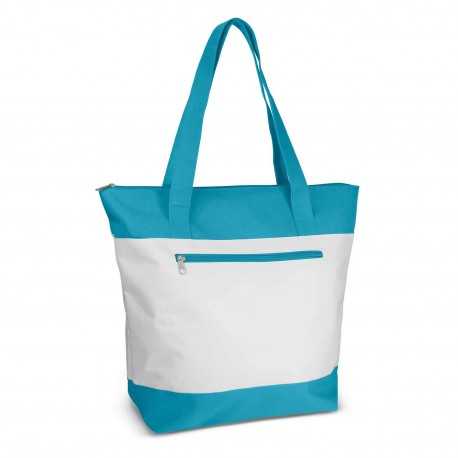
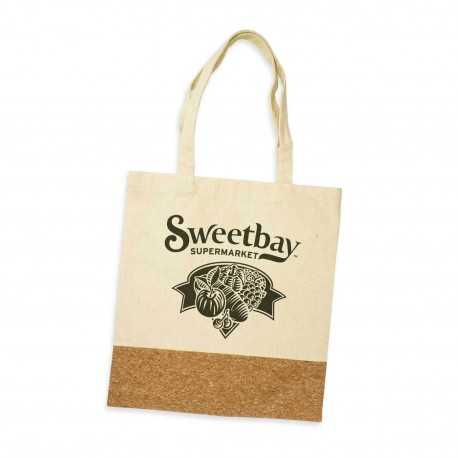
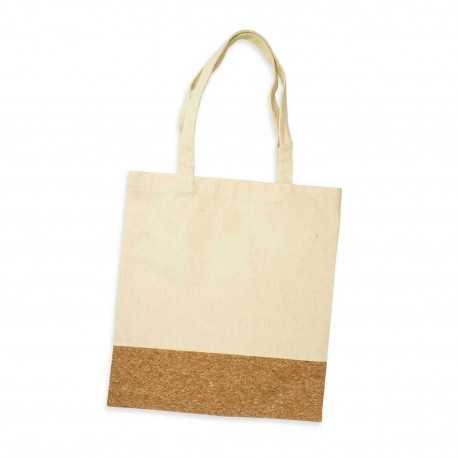
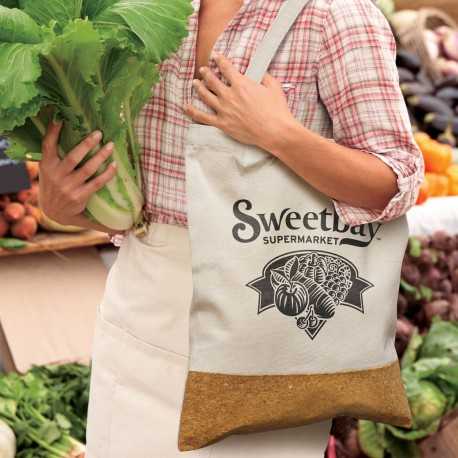
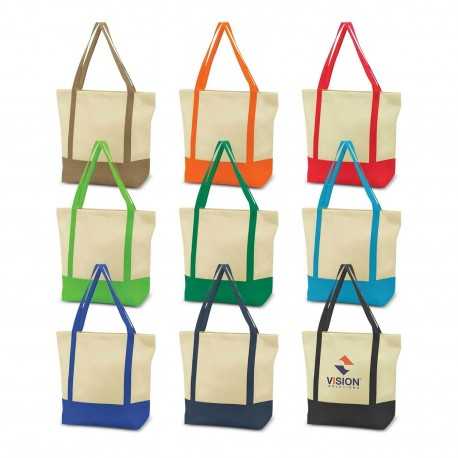
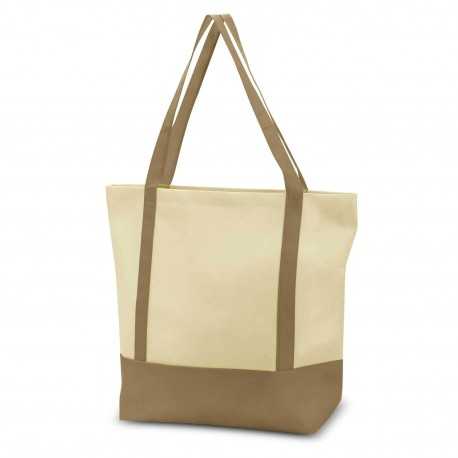
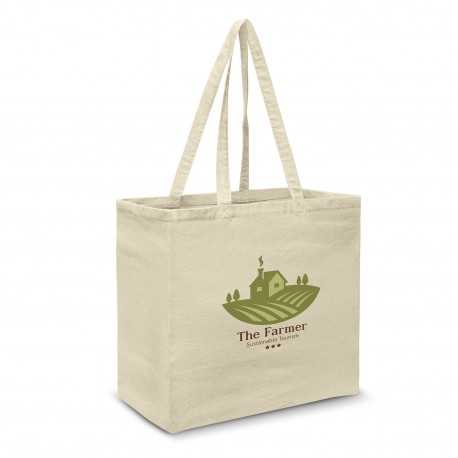
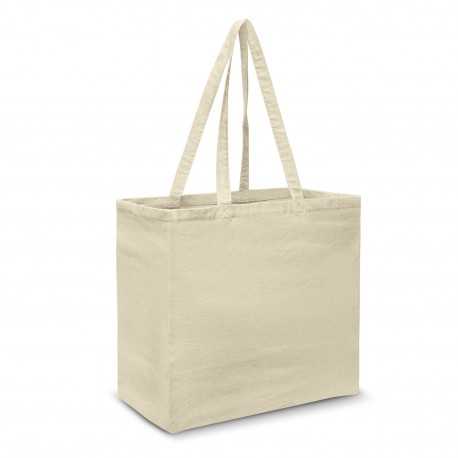
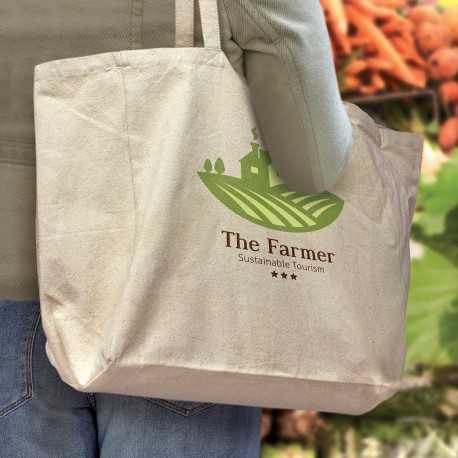
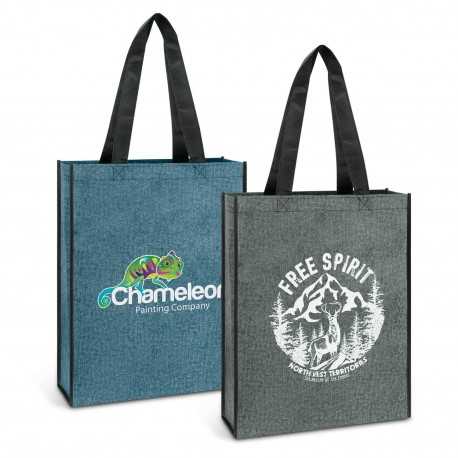
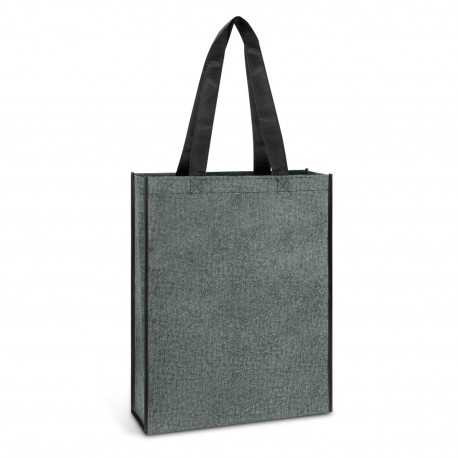
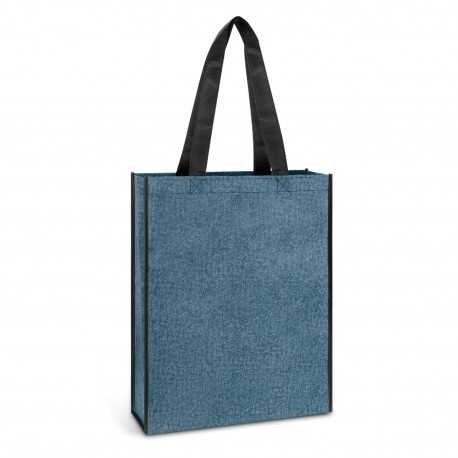
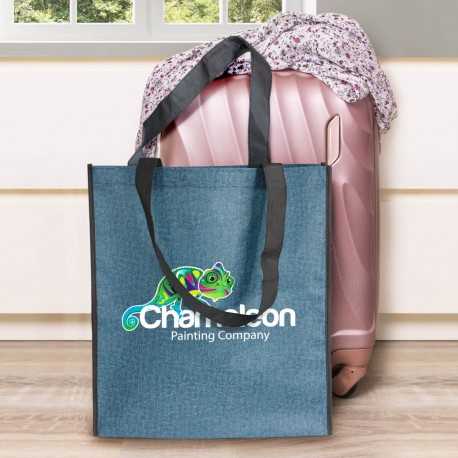
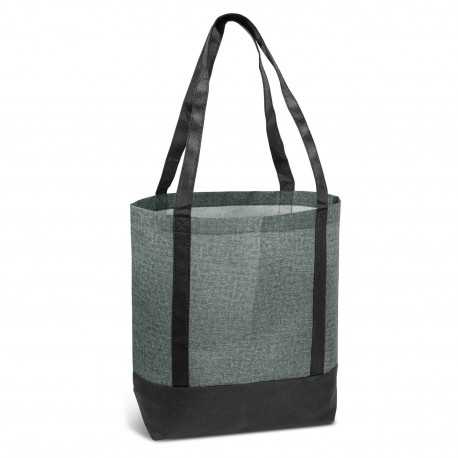
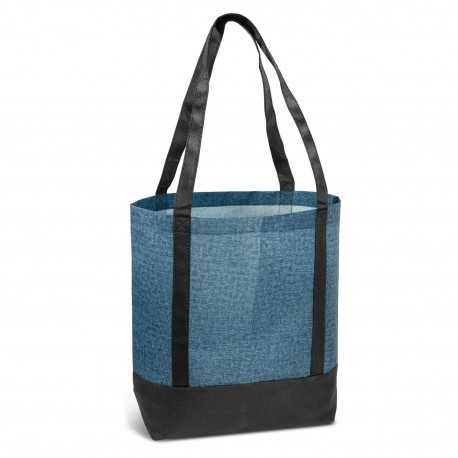
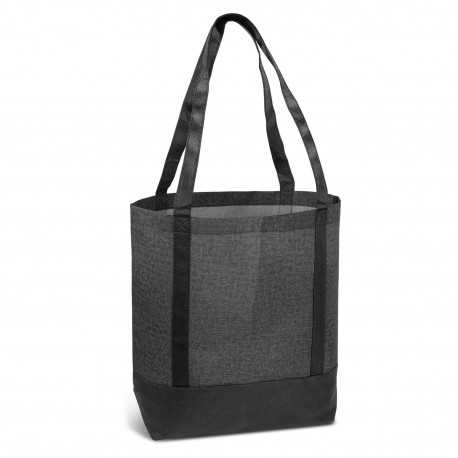
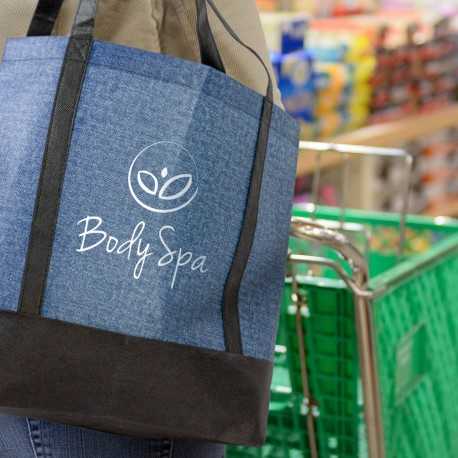
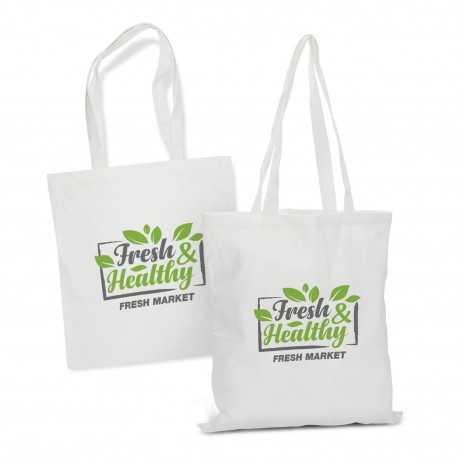
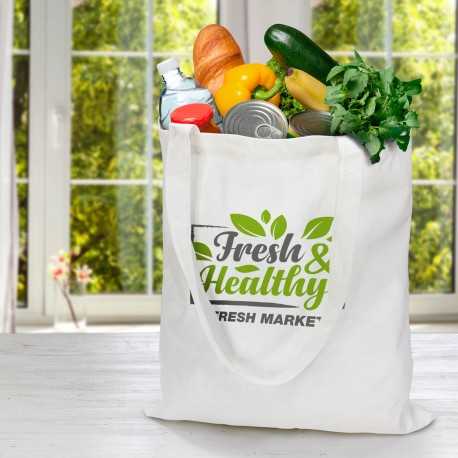
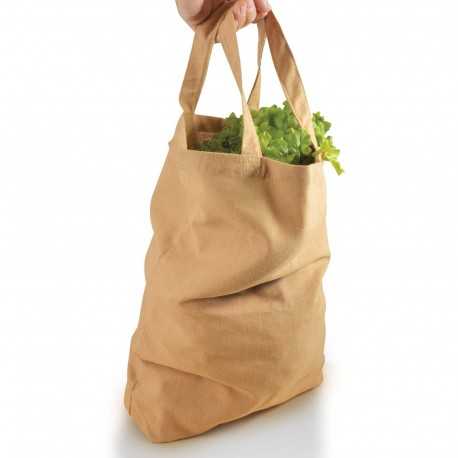
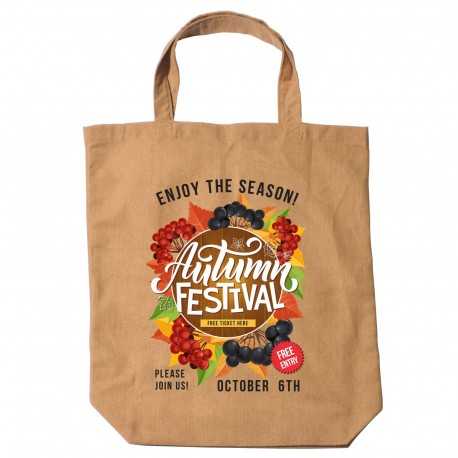
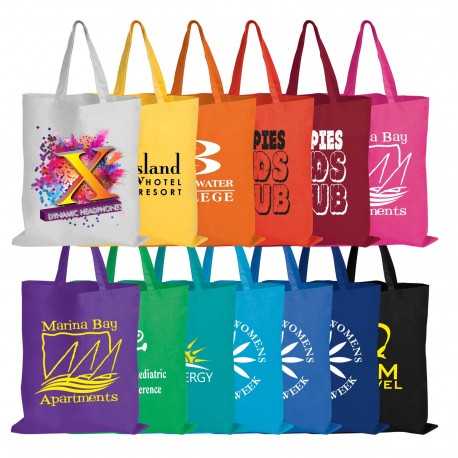
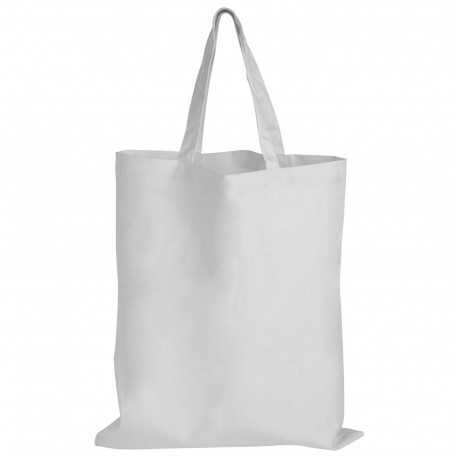
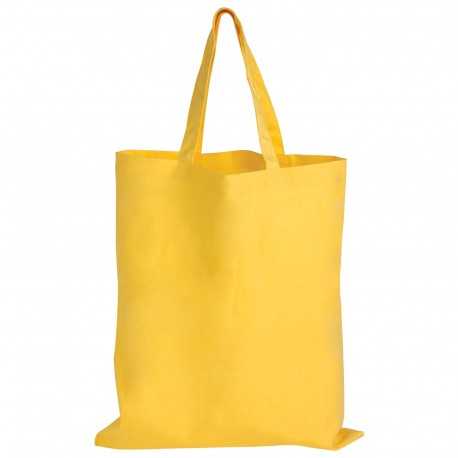
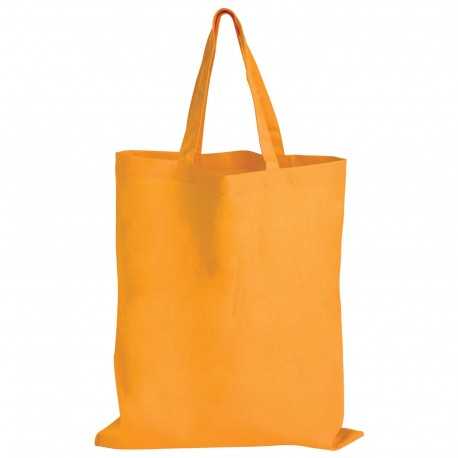
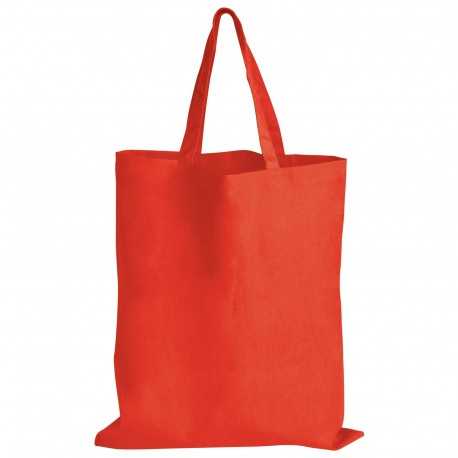
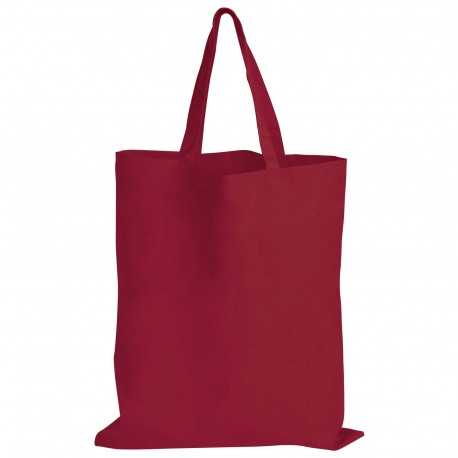
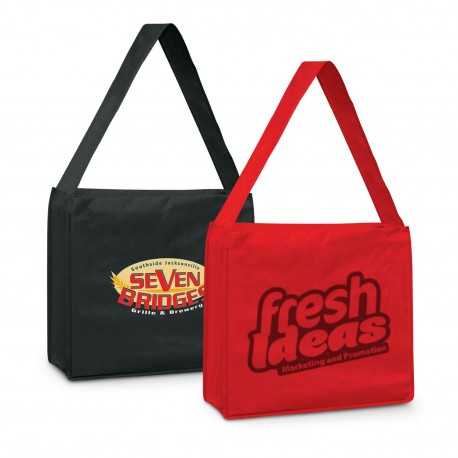
Non-woven polypropylene totes and cotton calico bags both suit high-volume giveaways, but they serve different brand positions. Non-woven bags are lighter, more affordable and well-suited to large-scale expos or tradeshow handouts where cost per unit matters most. Cotton calico bags are heavier, washable and reusable, which appeals to environmentally conscious brands and recipients who will use the bag long-term. If your brand communicates sustainability or your recipients are likely to reuse the bag regularly, calico delivers a stronger impression despite the higher unit cost.
Which is better for a conference delegate pack, a satchel or a backpack
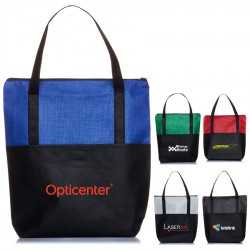
The right choice depends on what delegates need to carry and the impression you want to make. Conference satchels work well when the pack includes printed brochures, a notebook and a pen, and delegates are moving between meeting rooms or exhibition halls. Backpacks suit programs where delegates are travelling, carrying a laptop or staying overnight. Backpacks also signal a more premium investment, which aligns better with executive programs or technology sector events. For large delegate counts on a structured budget, the satchel typically offers better cost control without sacrificing practicality.
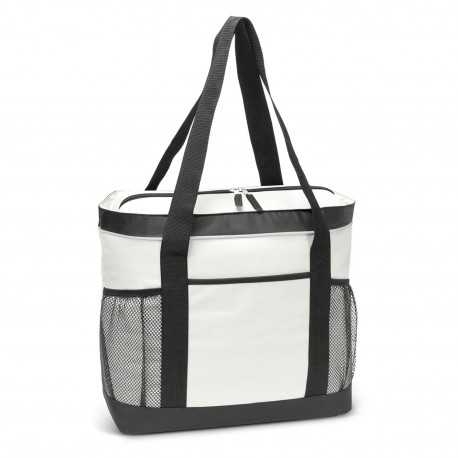
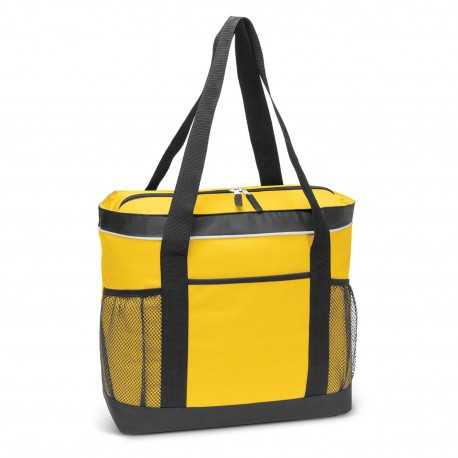
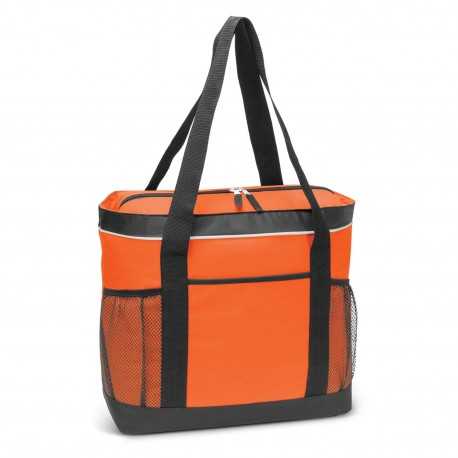
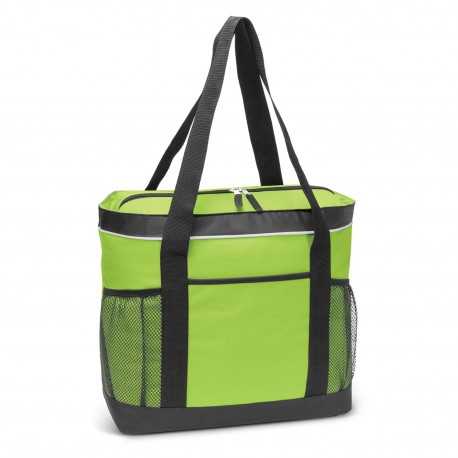
What is the difference between a cooler bag and a picnic set as a branded corporate gift
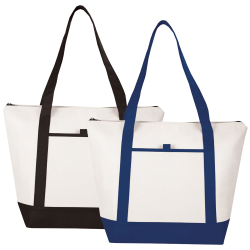
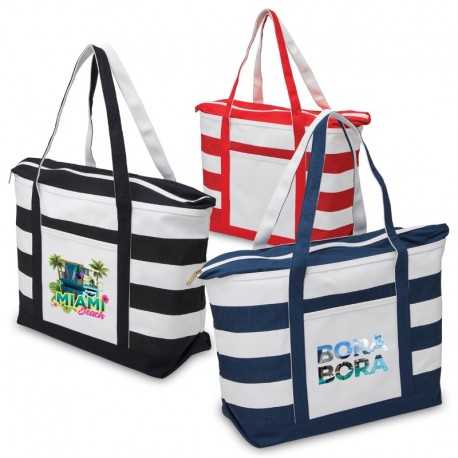
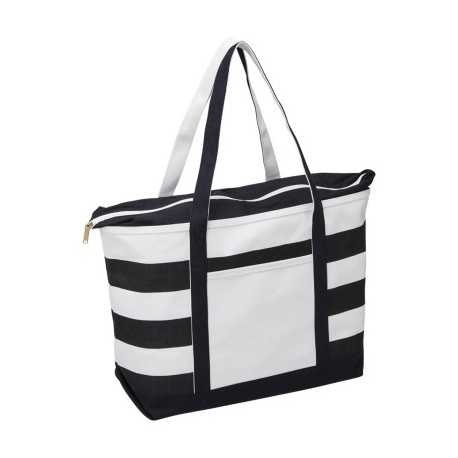
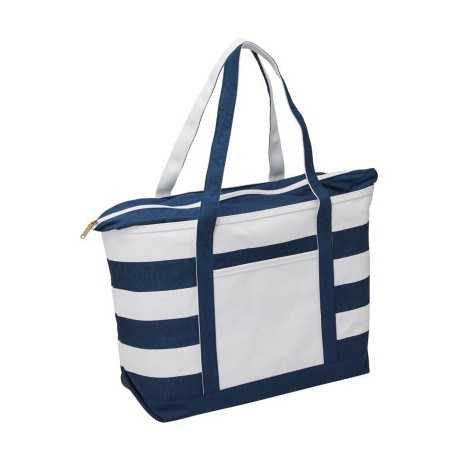
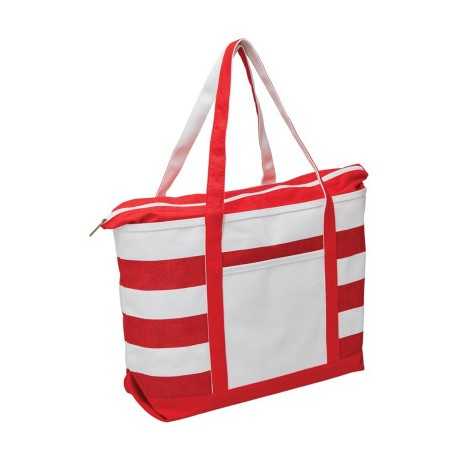
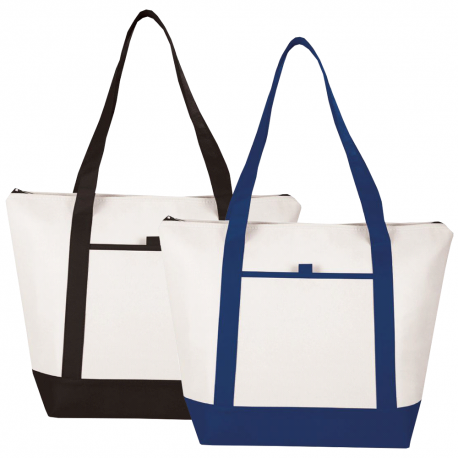
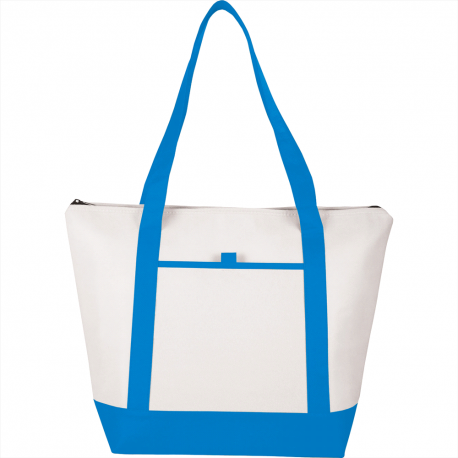
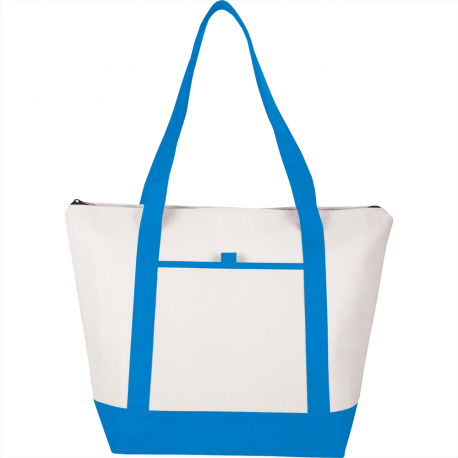
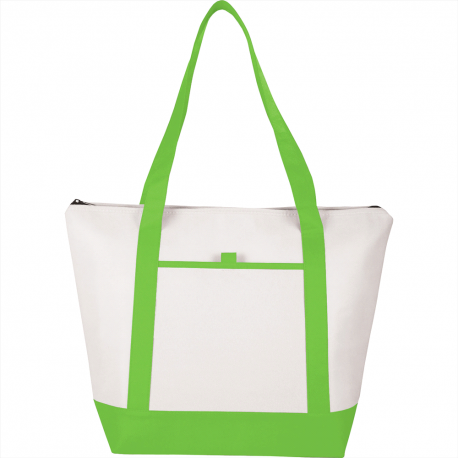
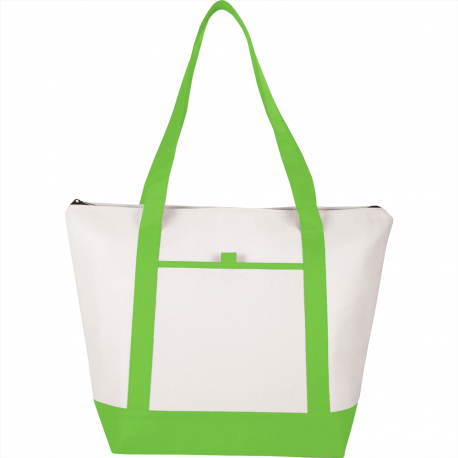
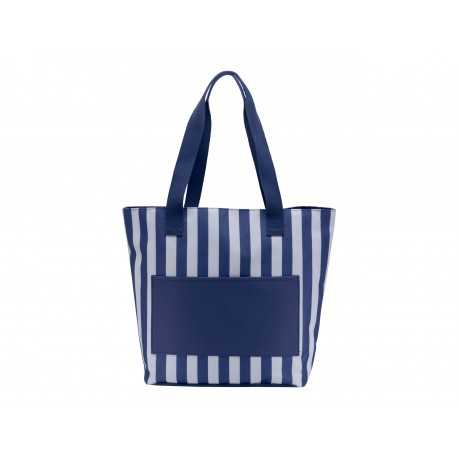
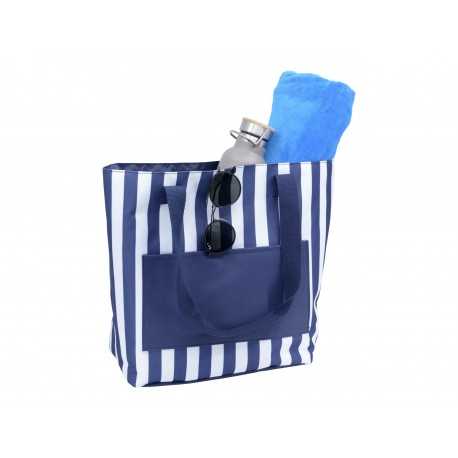
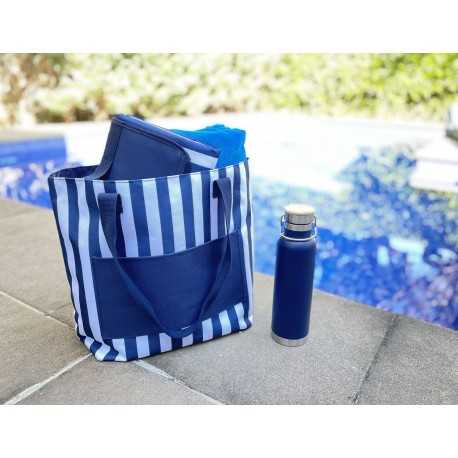
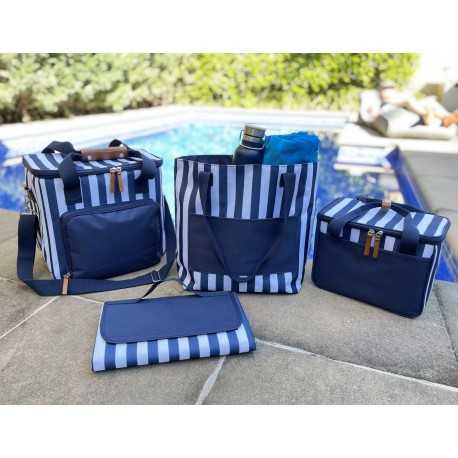
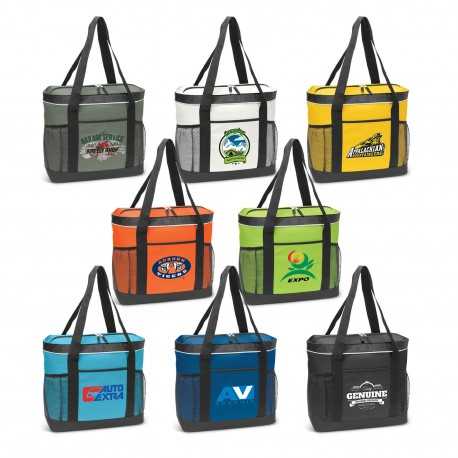
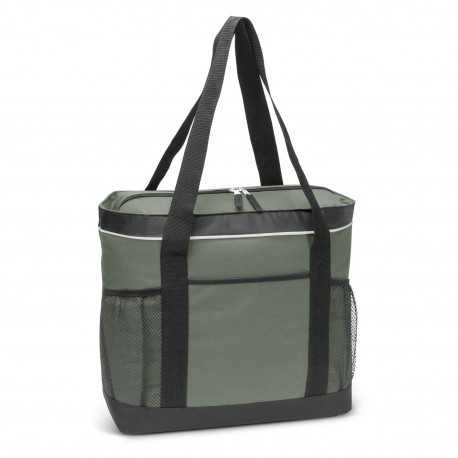
A standalone cooler bag is a practical, reusable gift that recipients use independently, while a branded picnic set presents as a complete experience with tools included. Cooler bags suit corporate gifting programs where the recipient will use the item independently at the beach, a sports game or a weekend trip. Picnic sets with plates, cutlery and a blanket position as a premium end-of-year or client appreciation gift with higher perceived value. The picnic set commands a larger budget but works especially well for real estate groups, wineries and hospitality brands wanting a memorable seasonal gift.
How do jute bags compare to full colour tote bags for retail and eco-focused promotions
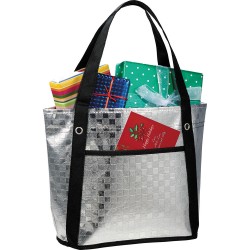
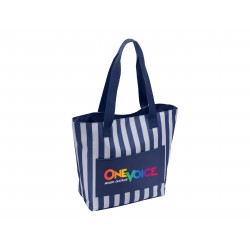
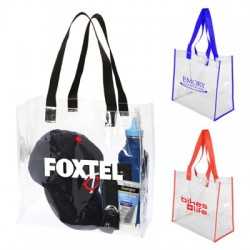
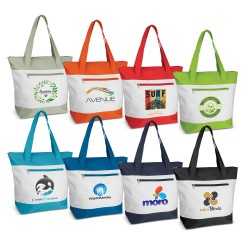
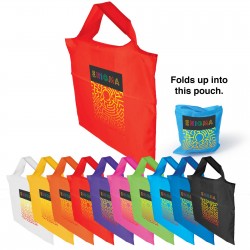
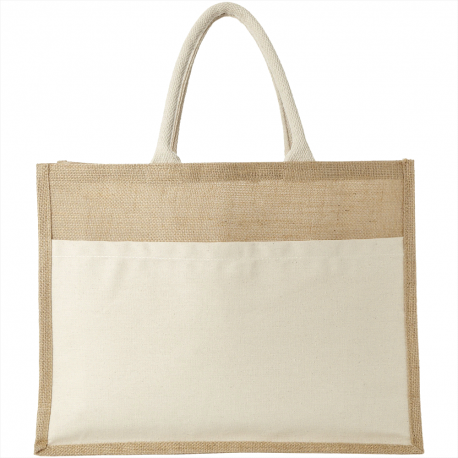
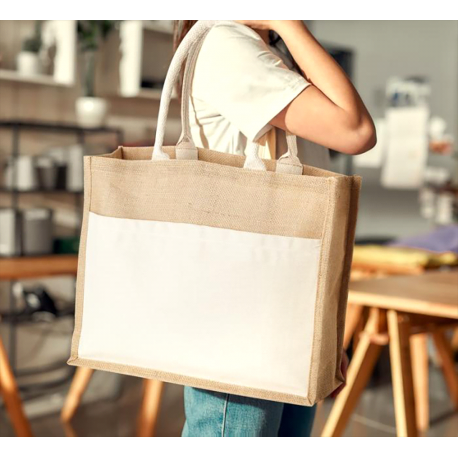
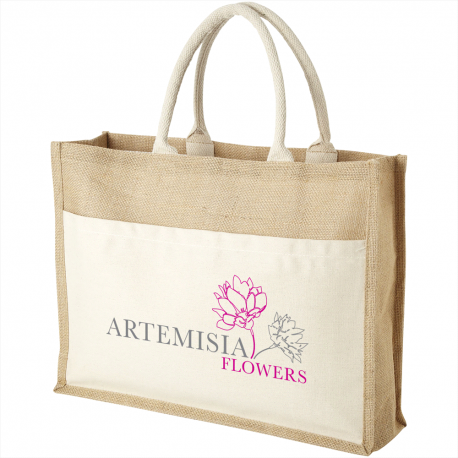
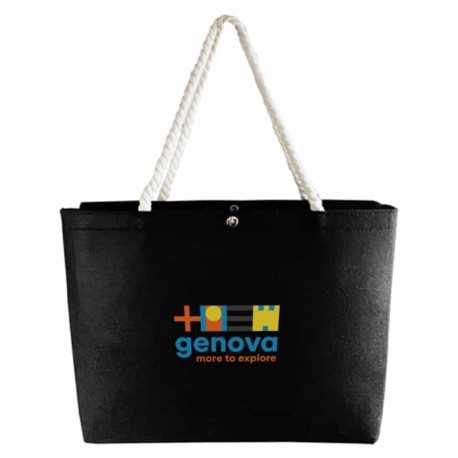
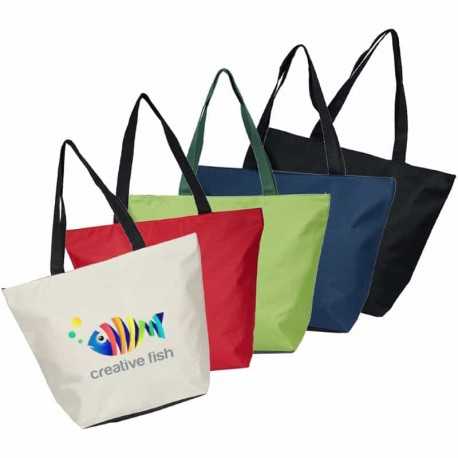
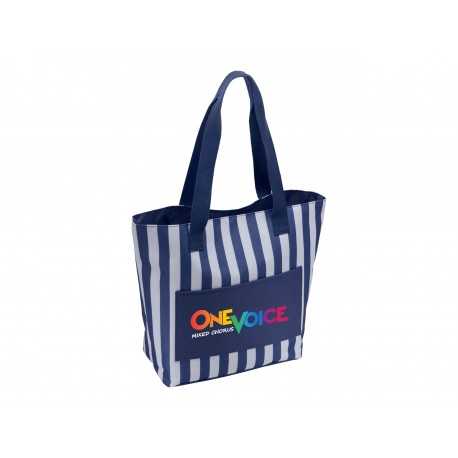
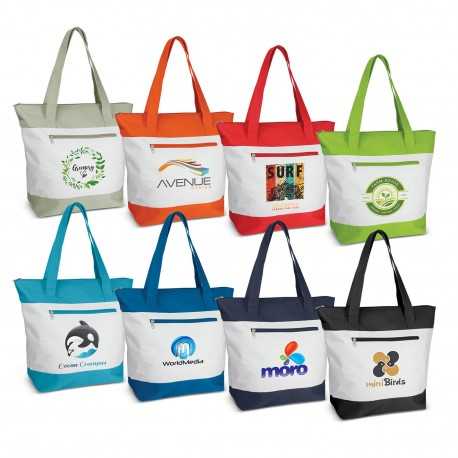
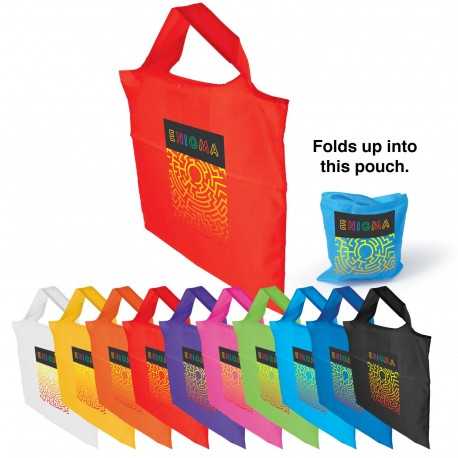
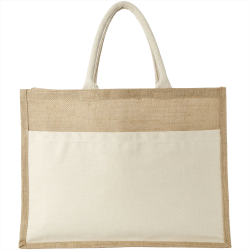
Jute bags and full-colour tote bags target different brand aesthetics and printing requirements. Jute has a natural, textured surface that suits health, food, wine and eco-focused brands wanting an organic feel. The print area on jute is typically limited to 1 to 2 colours due to the texture of the surface. Full-colour tote bags use a smooth polyester or coated fabric that supports photographic artwork, detailed gradients and multi-colour designs. If your logo is complex or you need edge-to-edge imagery, the full-colour option delivers results that jute cannot match.
What branding methods are available for promotional bags
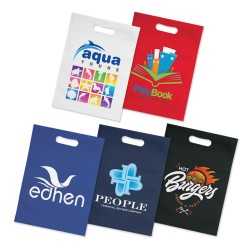
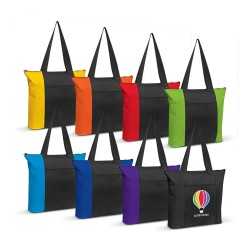
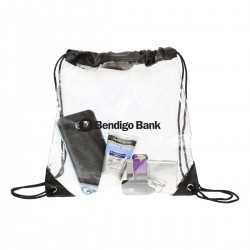
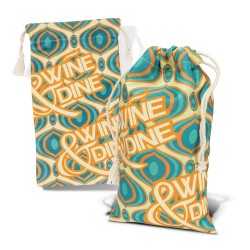
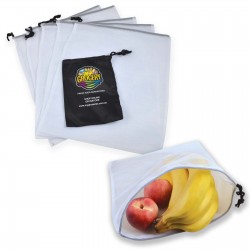
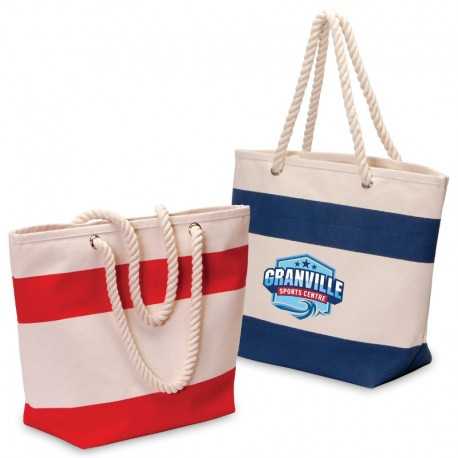
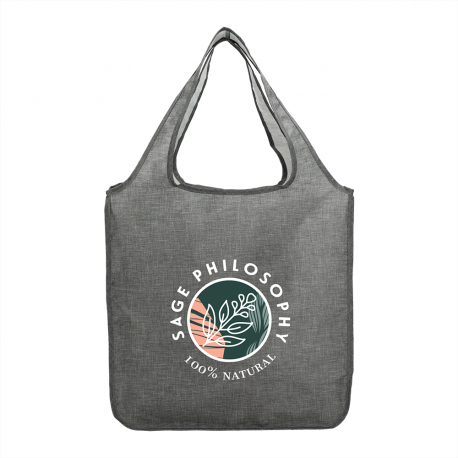
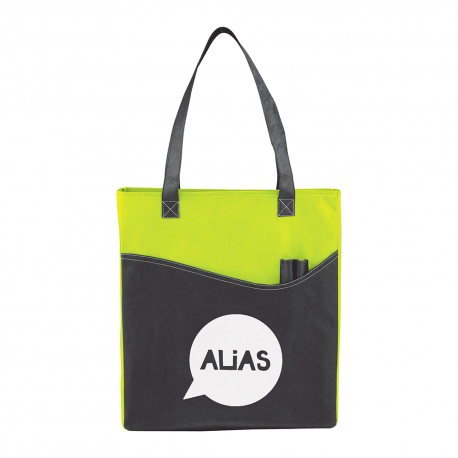
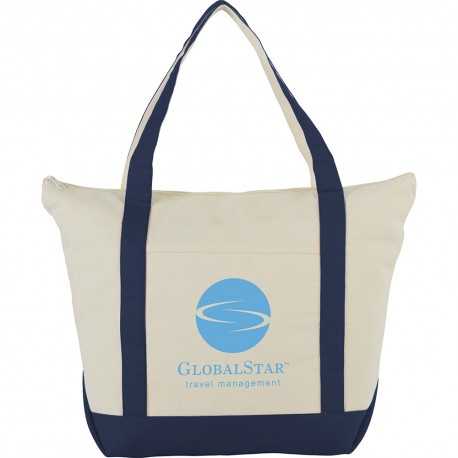
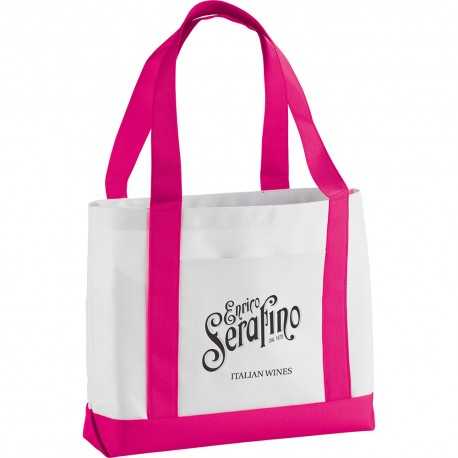
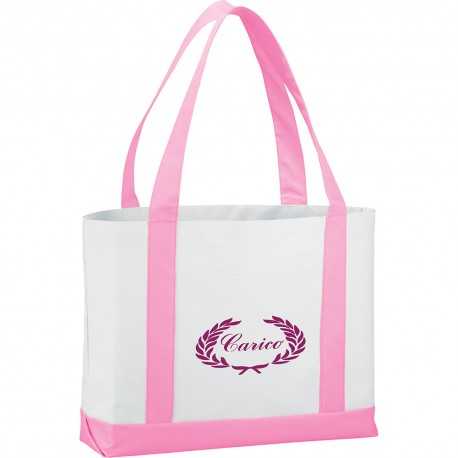
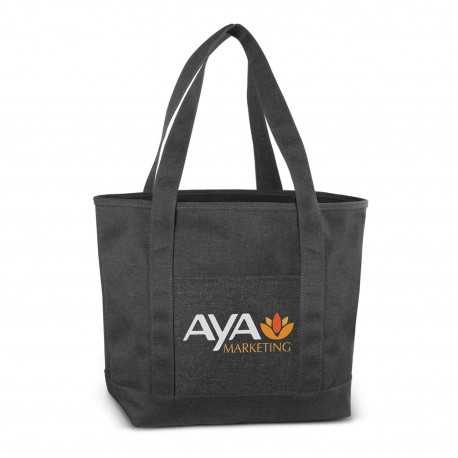
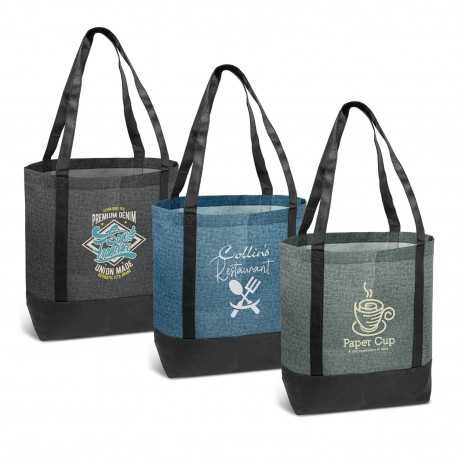
The main branding methods for promotional bags are screen print and embroidery, with digital transfer available on select styles. Screen print suits flat-panel bags like totes, non-woven shoppers and drawstring bags, giving a clean, solid logo in 1 to 4 spot colours. Embroidery is applied to structured backpacks, conference satchels and laptop bags, giving a stitched, raised finish that handles heavy daily use without fading. Full-colour digital printing is used on coated fabric totes where photographic-quality artwork is required. The right method depends on the bag material, the complexity of your logo and the quantity ordered.
Can branded bags be ordered with inside pockets or custom lining for specific corporate programs
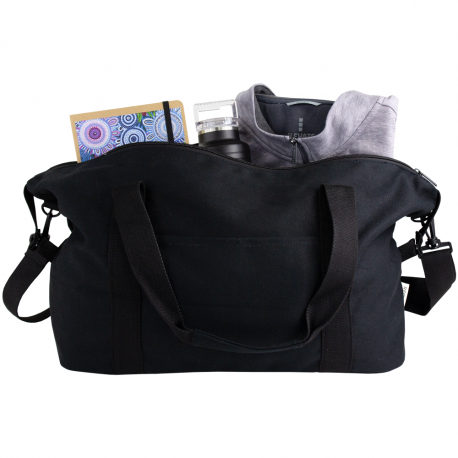
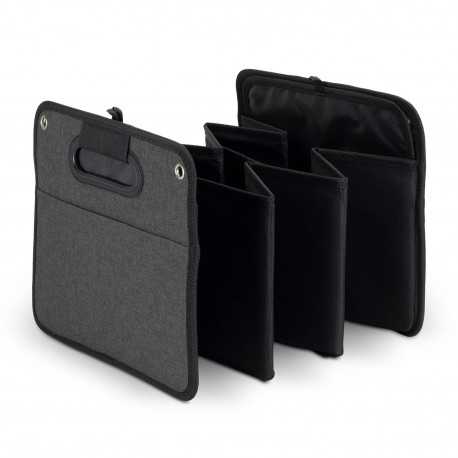
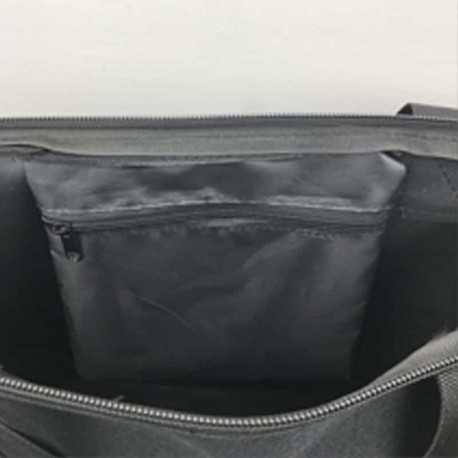
Yes, several bag styles in the range include interior pockets, padded laptop compartments, zippered sections and structured dividers as standard features. For corporate programs requiring custom lining colours, additional pockets or modified handle lengths, indent production orders allow for fully bespoke construction. Indent orders involve manufacturing the bag to your specifications rather than branding an off-the-shelf product, which typically adds 4 to 6 weeks to the production timeline. This path suits large programs where the bag itself is a core part of the brand experience rather than simply a carrier for other items.
Are eco-friendly bag options genuinely sustainable or mostly a marketing claim
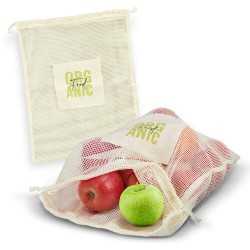
The sustainability of a promotional bag depends on the material, the production process and how long the recipient actually uses it. Organic cotton and jute bags are made from natural, biodegradable fibres and are genuinely lower impact than single-use plastic alternatives. Reusable non-woven polypropylene bags are not biodegradable but have a far lower lifecycle footprint than plastic bags when used more than 10 to 15 times. The most sustainable choice is the bag most likely to be used repeatedly. A well-made calico tote that a recipient carries for 2 years delivers more value, both environmentally and for your brand, than a cheaper bag that gets discarded after one use.
How long does production take for branded bags and what lead times should I plan for
Most stock bag orders are ready within about two weeks from artwork approval, covering production and standard delivery to your door. Tote bags, non-woven shoppers and drawstring bags often move through production faster than structured backpacks or cooler bags due to simpler construction. Indent orders, which involve custom manufacturing to your specifications, typically require 8 to 12 weeks depending on the factory and shipping method. If you have a fixed event date, flag it early so the team can confirm the production path and advise on express options where available.