What is the difference between plastic and aluminium credit card USB drives for corporate gifting
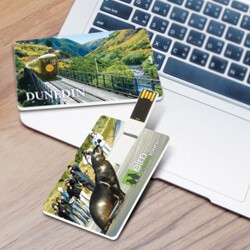
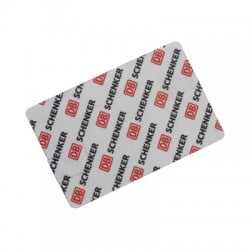
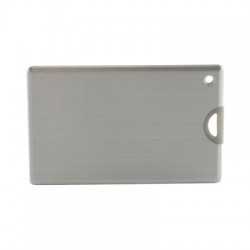
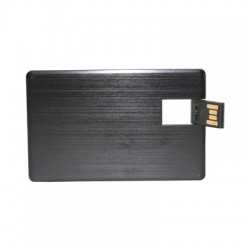
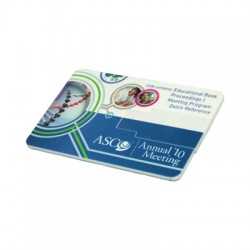
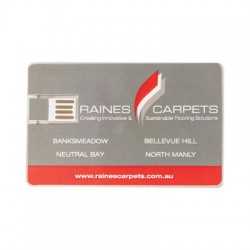
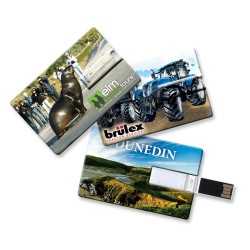
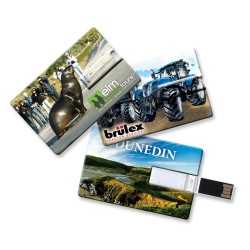
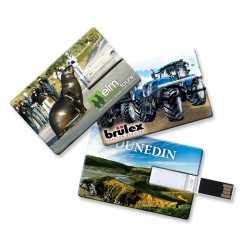
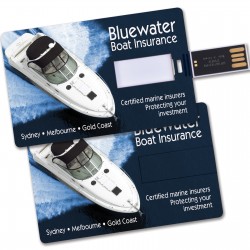
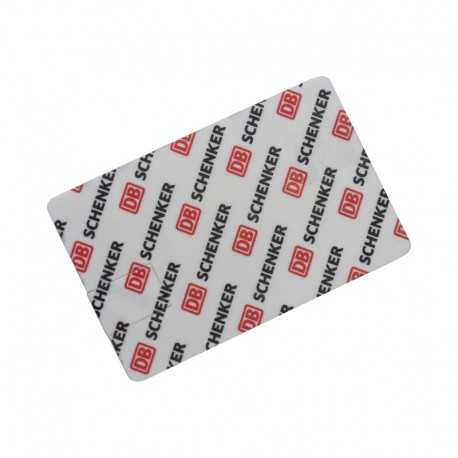
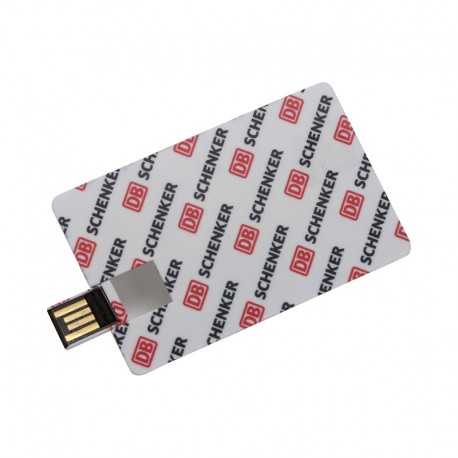
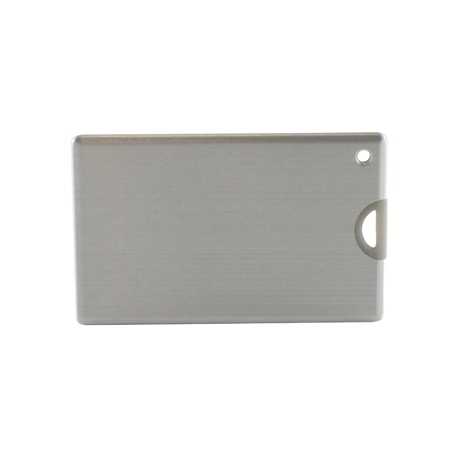
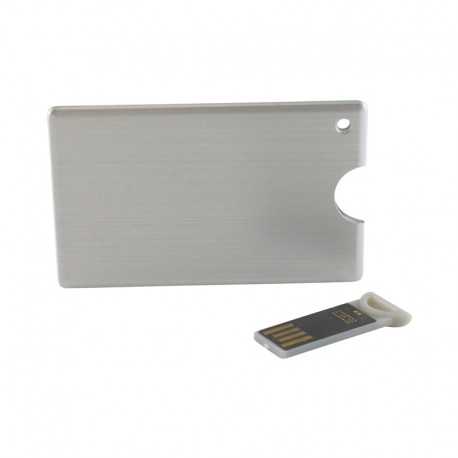
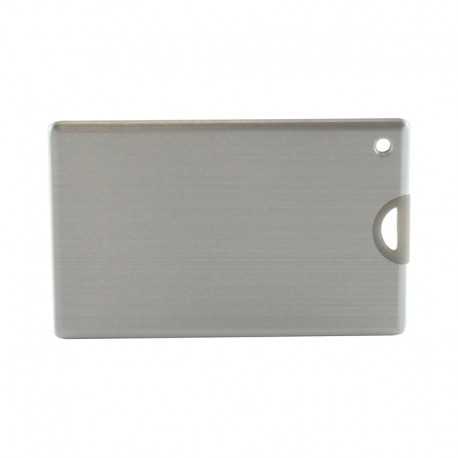
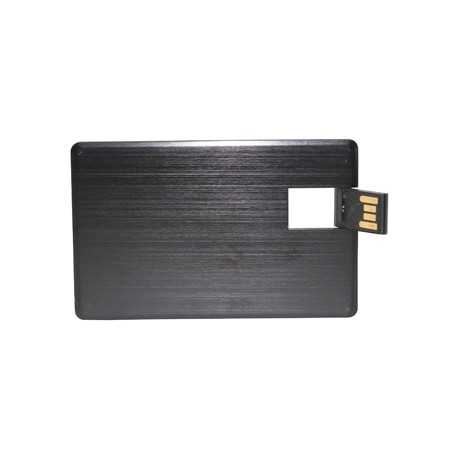
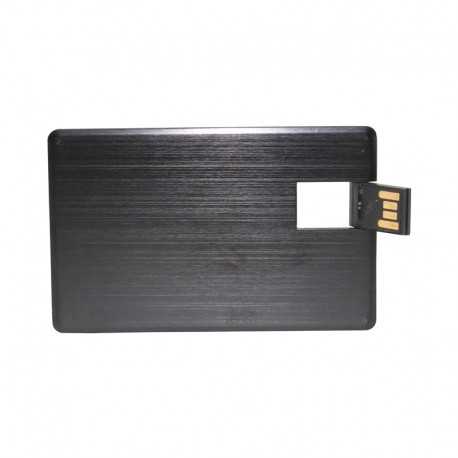
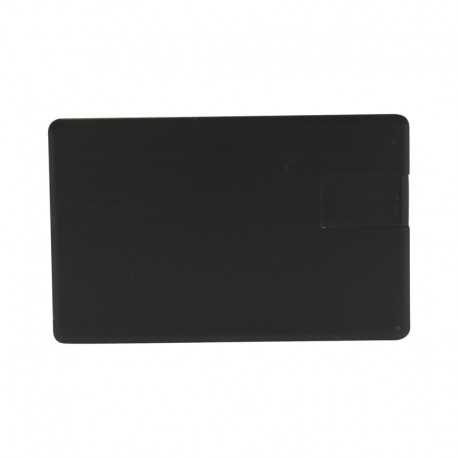
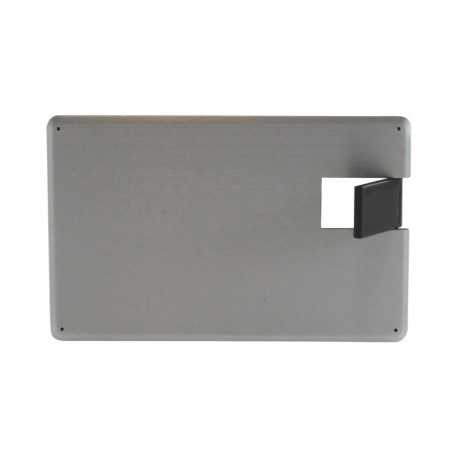
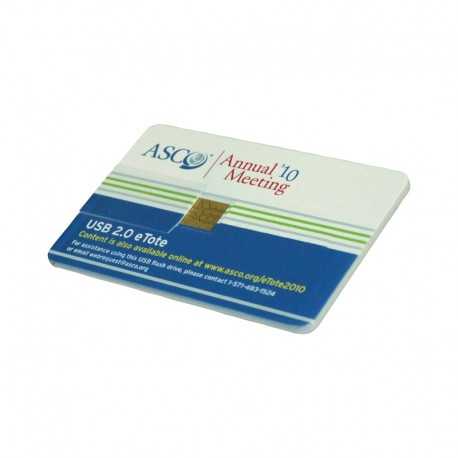
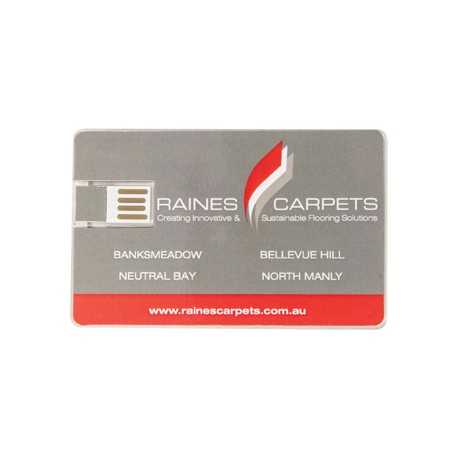
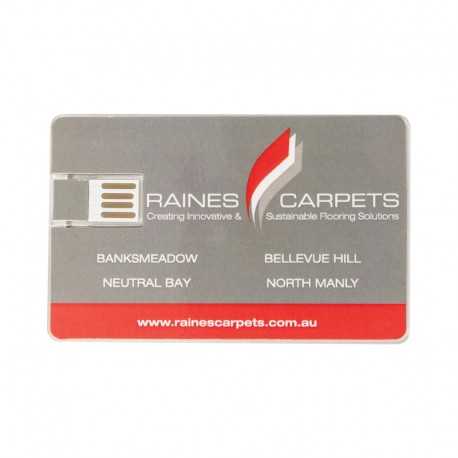
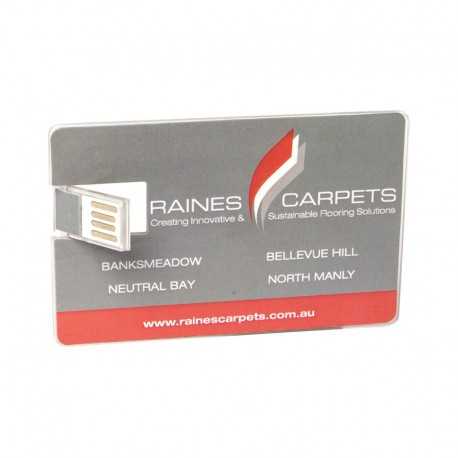
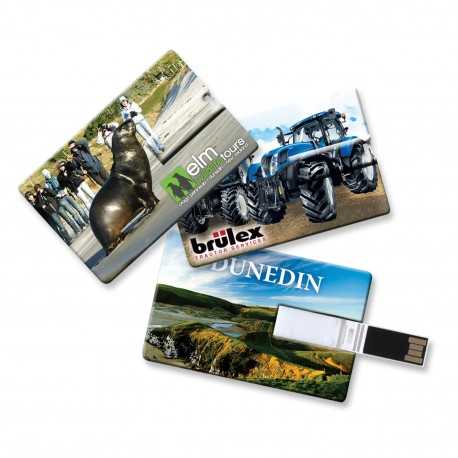
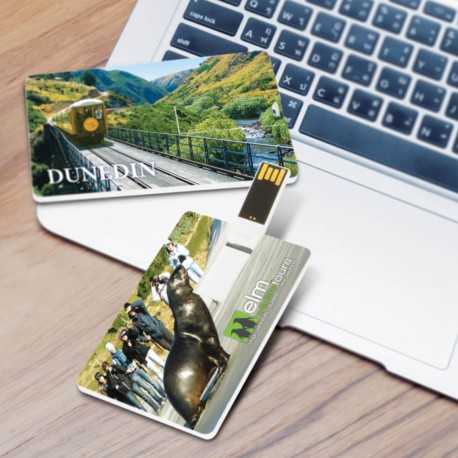
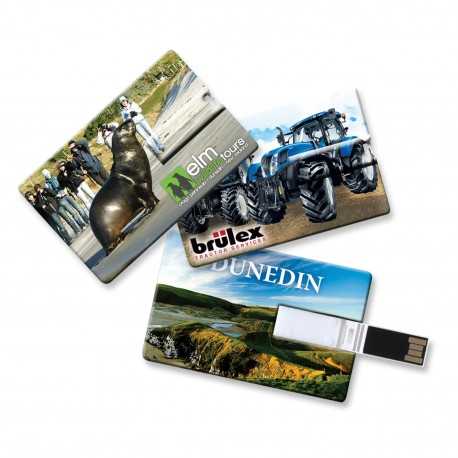
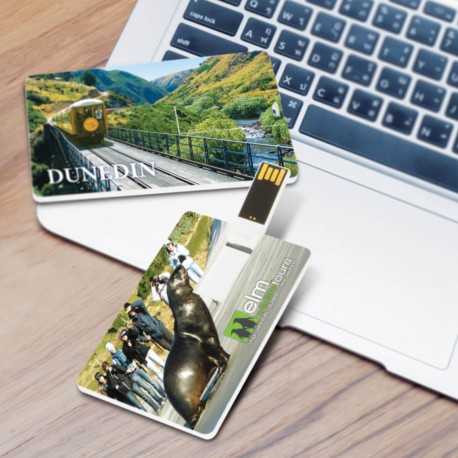
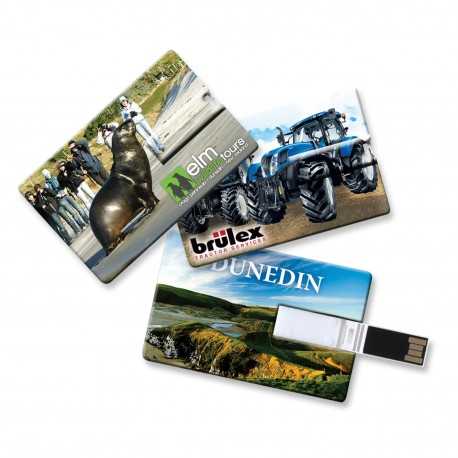
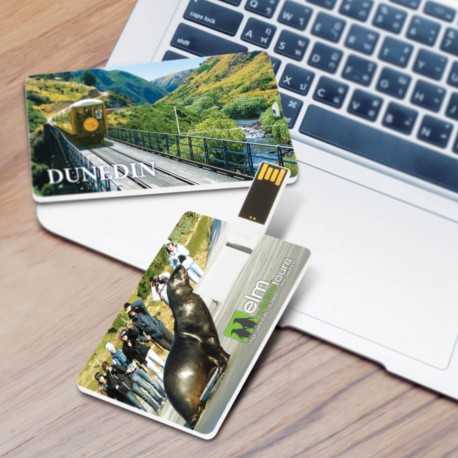
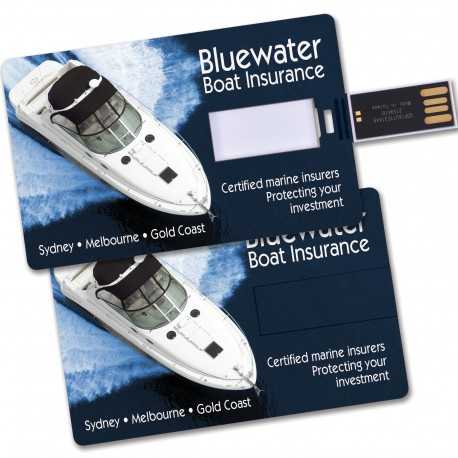
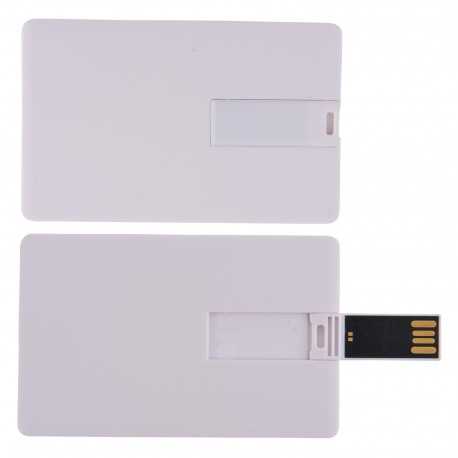
Plastic credit card USB drives suit high-volume giveaways where full-colour branding across the card face is the priority, while aluminium models suit executive gifting where a premium, durable finish matters more. Plastic options are lighter and more cost-effective at scale, making them the practical choice for tradeshow handouts and conference packs. Aluminium drives feel more substantial, resist daily wallet wear better, and accept laser engraving for a permanent mark, which appeals to corporate clients who prefer an understated, professional finish over bold colour printing.
What is the difference between the BottlO Credit Card Flash Drive and a standard credit card USB for hospitality promotions
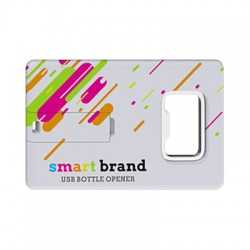
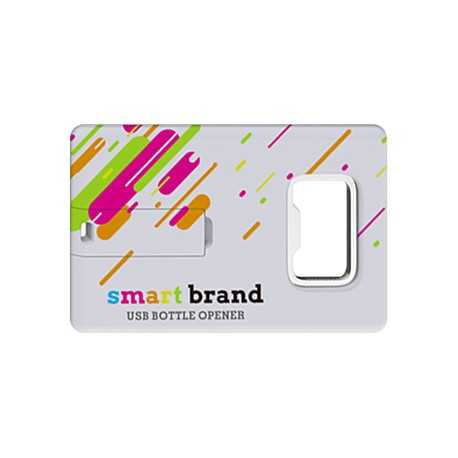
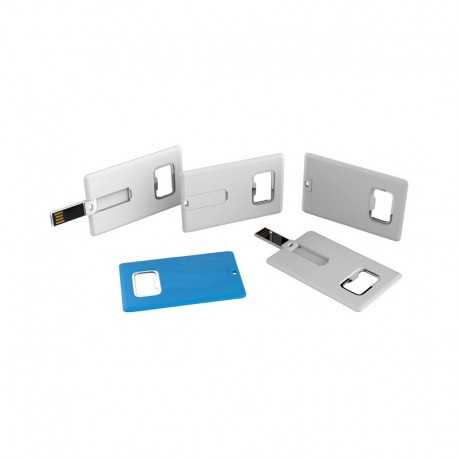
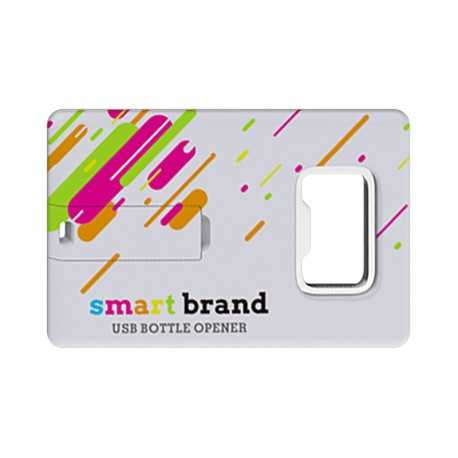
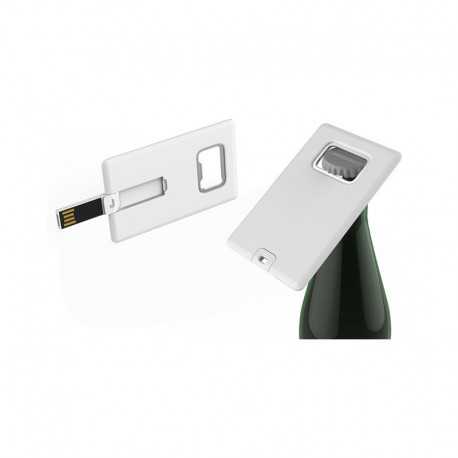
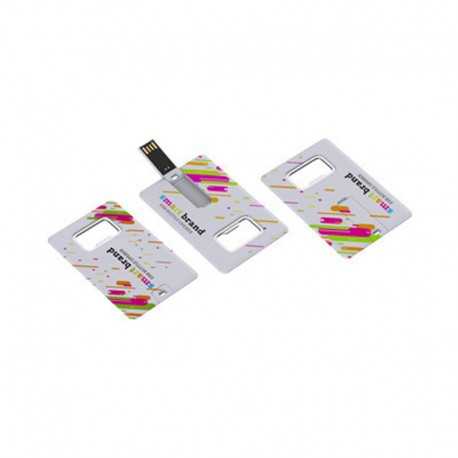
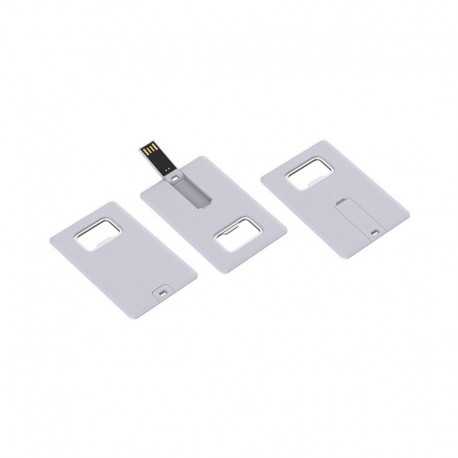
The BottlO Credit Card Flash Drive combines a USB storage chip with a built-in steel bottle opener in the same credit card format, giving hospitality brands a dual-function giveaway that recipients actually use repeatedly. A standard credit card USB serves primarily as a storage and branding item. The BottlO adds a second utility function that keeps it in a pocket or wallet long after an event. It is available in capacities from 4GB to 64GB, making it suitable for larger data loads like menus, venue guides or promotional content alongside its physical bottle-opening role.
What is the difference between the 3D Crystal Flash Drive and the Eco Crystal Flash Drive
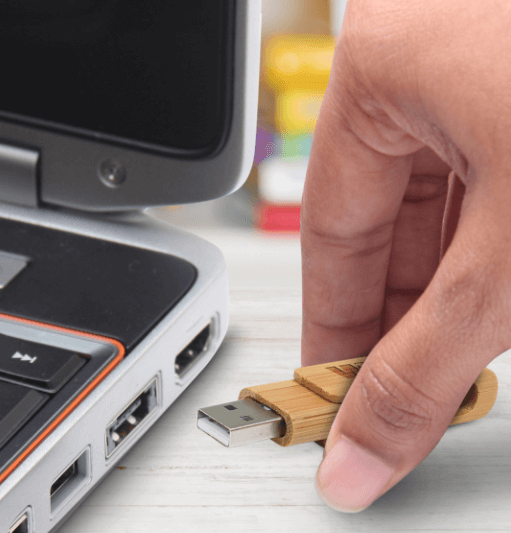
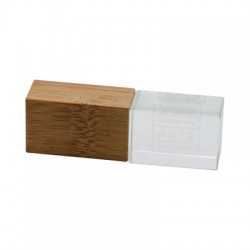
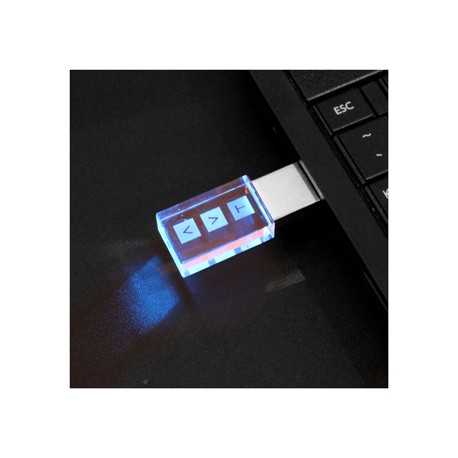
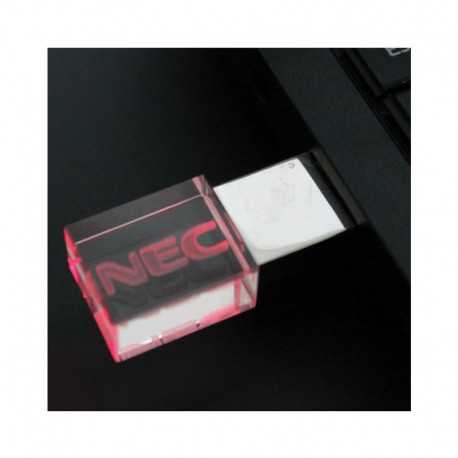
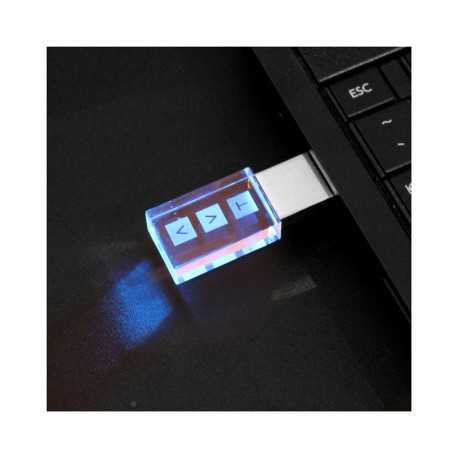
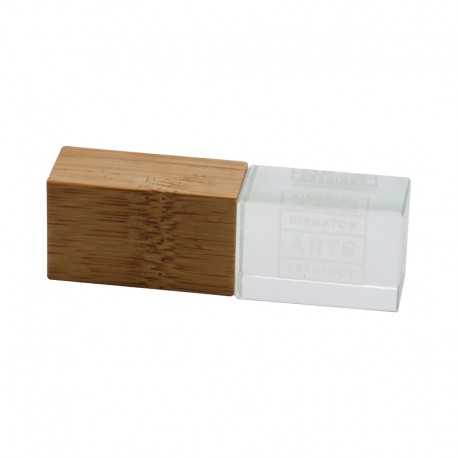
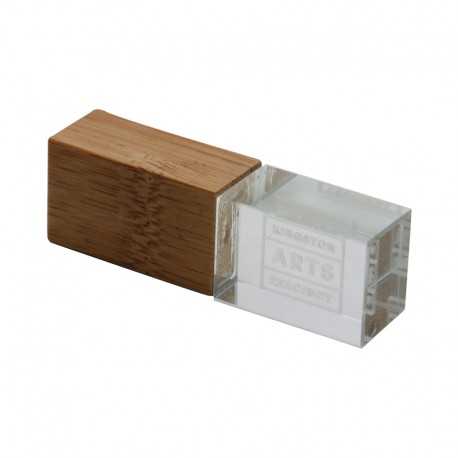
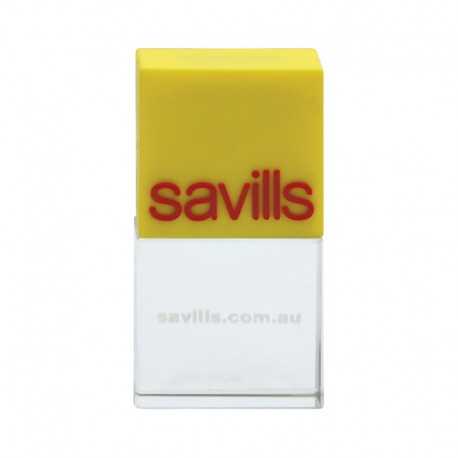
The 3D Crystal Flash Drive uses a gloss or matt plastic casing with a 3D engraved crystal core and a choice of blue, red, green or white LED lighting, while the Eco Crystal Flash Drive replaces the plastic casing with a bamboo or maple timber shell for a natural finish. Both feature a light-up logo and Grade A memory with a 10-year data retention warranty. The 3D Crystal suits brand activation events and premium gifting where visual impact is key. The Eco Crystal is the better choice for brands with sustainability messaging or clients who respond positively to natural materials.
What is the difference between acrylic and standard plastic credit card USB drives
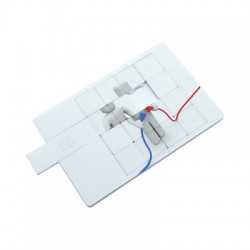
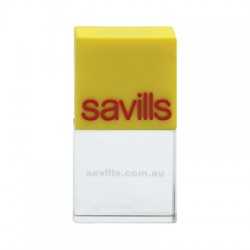
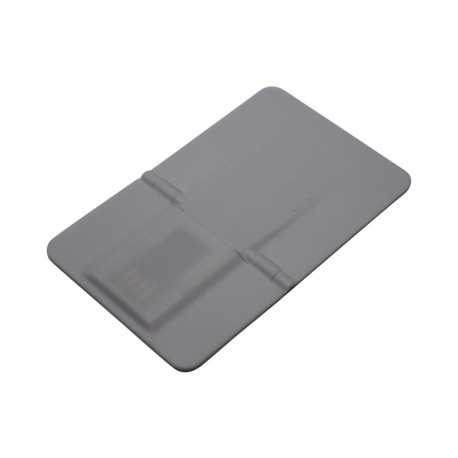
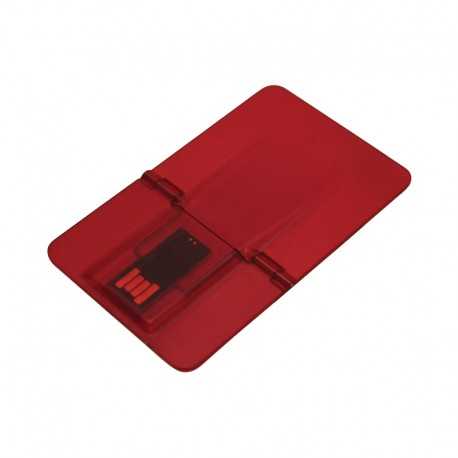
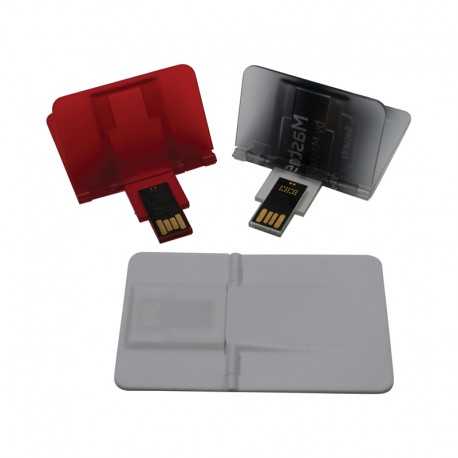
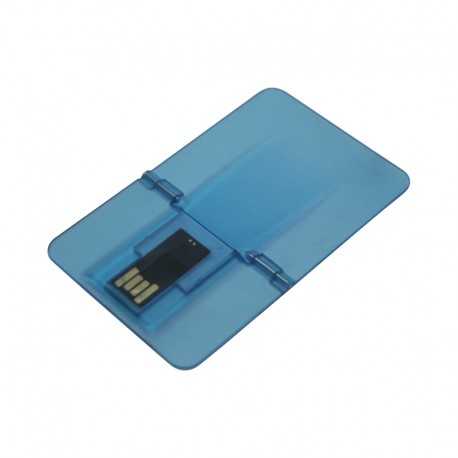
Acrylic credit card USB drives use a clear chip-on-board construction where the memory chip is visible through the transparent casing, giving a modern, tech-forward aesthetic that differs from the opaque full-colour printed plastic models. Standard plastic credit card drives use an opaque casing printed across the full face, maximising logo space and colour coverage. Acrylic models suit brands in tech, design or creative industries where the transparent format aligns with a contemporary brand identity. Both accept full-colour digital printing, though the acrylic's clear base affects how colours render compared to a white plastic surface.
How are logos printed on credit card USB flash drives
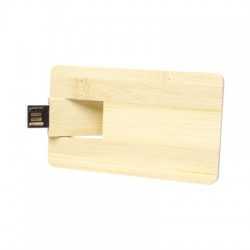
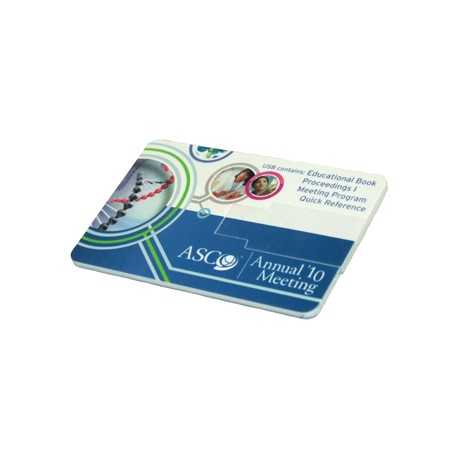
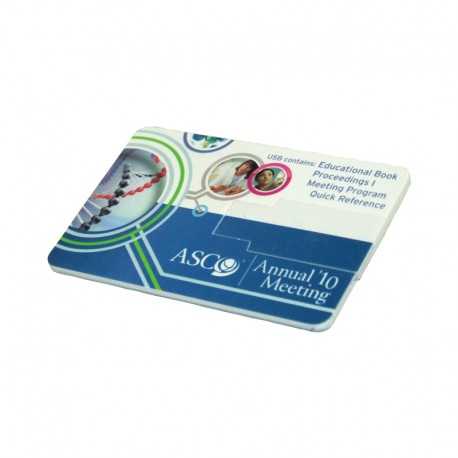
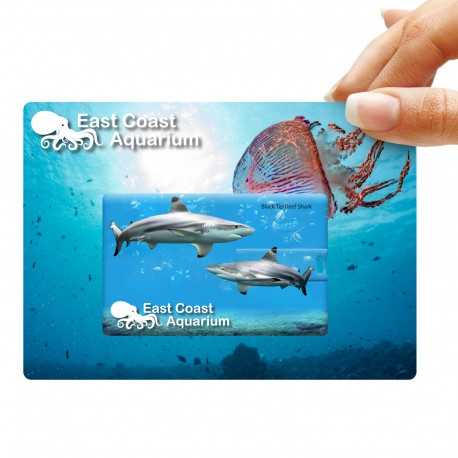
Credit card USB drives are branded using full-colour digital printing on plastic and acrylic models, and laser engraving on aluminium and bamboo versions. Digital printing covers the full card face on one or both sides, reproducing detailed artwork, gradients and photographic-quality logos without colour limitations. Laser engraving removes the top layer of the material to leave a permanent, no-ink mark that resists fading and wallet wear, giving a clean, recessed finish suited to executive applications. The 3D Crystal models use a separate laser engraving process within the crystal core, combined with LED backlighting to illuminate the design.
Can data be pre-loaded onto branded credit card USB drives before delivery
Yes, data pre-loading is available on most credit card USB flash drive models, allowing you to load presentations, product catalogues, videos or documents directly onto each drive before it is handed out. This service is useful for conference delegate packs, real estate settlement kits and product launch handouts where digital content needs to reach recipients immediately without requiring them to download anything. Pre-loading is confirmed at the time of order and available on request across the plastic, acrylic and standard credit card ranges. Confirm your file type and total data size when requesting a quote so capacity can be matched correctly.
What memory capacity should I choose for a branded credit card USB drive
The right capacity depends on whether the drive is primarily a branding tool, a functional storage item or a data pre-loading vehicle. For giveaways where recipients use the drive for general storage, 8GB to 16GB covers most day-to-day needs. For pre-loaded content such as presentations, PDFs or short video files, 4GB is sufficient for most document sets. For HD or full HD video pre-loading, select 16GB or above. The BottlO model reaches 64GB for heavy media content. Most buyers ordering for corporate giveaways choose 8GB as a practical balance between cost and usability.
How long does production take for branded credit card USB flash drives
Standard production on most branded credit card USB flash drives takes approximately two weeks from artwork approval, covering printing or engraving, quality checking and dispatch. Express production is available on select styles when your deadline is firm, so flag your event date at the time of enquiry so the team can confirm the right production path. Grade A memory and data retention warranties are standard across the range, meaning no shortcuts are taken on component quality regardless of production speed. Contact the team with your quantity, capacity, style and deadline for an accurate lead time on your specific order.